Former Delhi Chief Minister Arvind Kejriwal blasted the central government for allowing oil companies to earn illicit profits, demanding petrol prices be slashed from ₹102 to ₹82 per litre. He highlighted the decline in global crude prices and questioned the impact of E20 ethanol‑blended petrol on consumers.
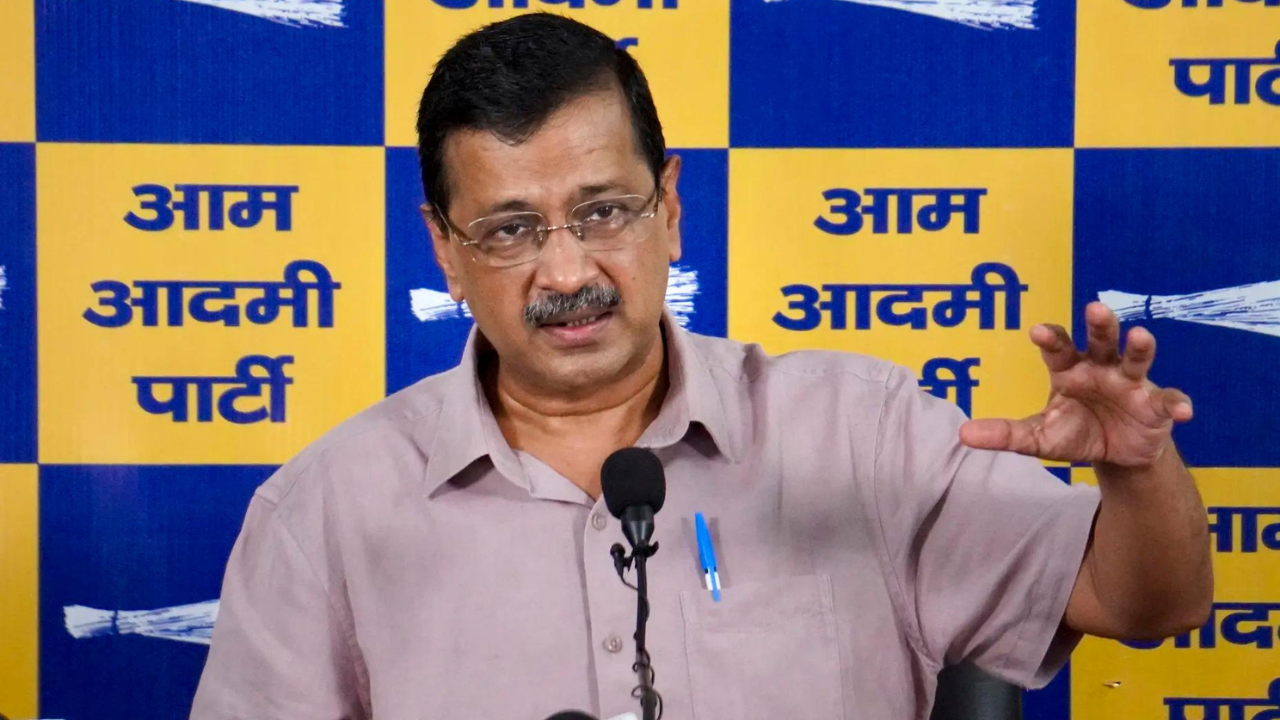
Arvind Kejriwal, the AAP chief and former Delhi CM, took to a press conference on 9 July to slam the central government for enabling oil companies to pocket illicit profits. He pointed out that while global crude prices have dropped from around $70 to $55 per barrel, India’s fixed petrol price remains stubbornly at ₹102 per litre.
Critique of Central Policy
According to Kejriwal, the government’s pricing strategy is not in the public interest. "Petrol should be reduced from ₹102 to ₹82," he stated, arguing that the current price places an undue burden on consumers.
Impact of E20 Ethanol‑Blended Petrol
The central government’s push for 20% ethanol‑blended petrol (E20) has raised questions about its effect on engine efficiency and fuel economy. Kejriwal demanded clarity from manufacturers on how E20 might affect mileage and vehicle safety.
Demand for Accountability from Automakers
Earlier that week, Kejriwal sent written letters to 29 major automakers requesting written responses on the impact of E20. Separate letters were addressed to Maruti Suzuki, Toyota, and Hero MotoCorp, while a consolidated letter was sent to the remaining 26 manufacturers, urging them to reply within seven days.
Political and Economic Implications
This move highlights the need to reassess the profit-sharing model between oil firms and the government. If the government continues to promote E20, long‑term consumer benefits may materialise, but short‑term cost increases could persist. Kejriwal’s critique underscores the importance of transparent, consumer‑centric energy policies.
Ultimately, the incident signals a call for greater regulatory oversight to protect consumers from excessive corporate gains and to foster healthy competition within the energy sector.