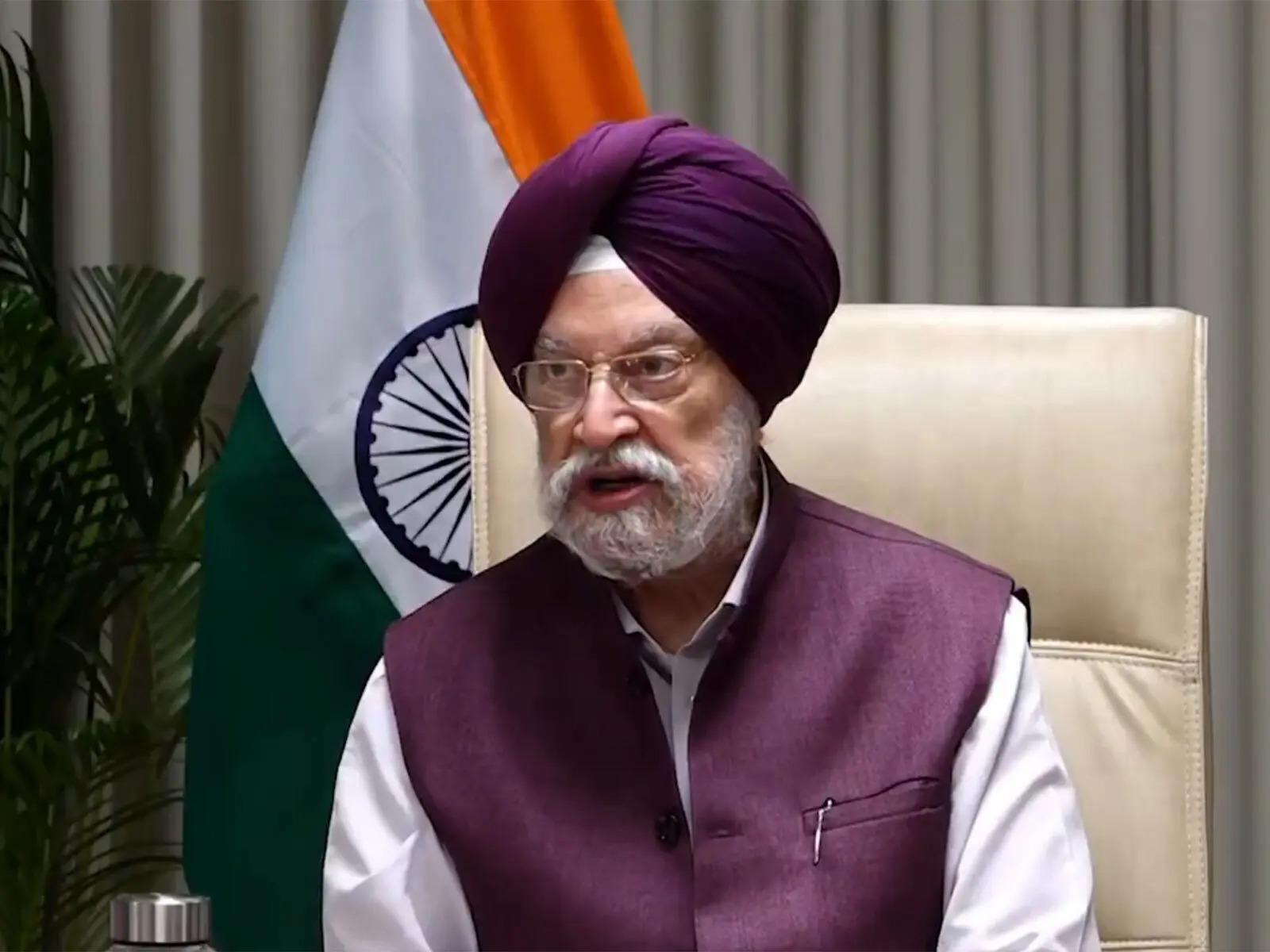
Petroleum Minister Hardeep Singh Puri confirmed that the 25% ethanol blend, E25, is still in the testing phase and no concrete decision has been taken on its nationwide rollout. Road Transport Minister Nitin Gadkari highlighted ethanol’s lower calorific value and its modest impact on vehicle mileage.
New Delhi: Petroleum Minister Hardeep Singh Puri told reporters on July 10 that the E25 fuel – petrol blended with 25% ethanol – is "only being tested" and that a clear timeline for a national rollout has not yet been set. The statement came amid growing speculation about the government’s next steps on higher‑ethanol blends.
Background on Ethanol Blends in India
Over the past two decades, India has pursued ethanol as a strategic alternative fuel to reduce dependence on imported petrol, support agricultural ethanol production, and lower carbon emissions. The government mandated a 10% ethanol blend (E10) in 2019, followed by state‑level pilots for 15% blends (E15) in 2022. These initiatives aim to create a diversified fuel mix that can absorb domestic ethanol supplies while keeping road‑transport costs manageable.
Current Status of E25 Testing
Puri emphasized, "We have not even decided on it and E25 is only being tested now," adding that the testing timeline remains unclear. Ongoing trials involve collaborations with major OEMs to assess engine compatibility, power output, and emission standards when using a higher ethanol concentration. The data collected will feed into a comprehensive scientific review before any policy decision is taken.
Ministerial Statements and Stakeholder Views
Road Transport Minister Nitin Gadkari underscored that "ethanol has a lower calorific value and has a minor impact on mileage, but that also depends on road and traffic conditions." He reiterated his long‑standing view that regional fuel choices should reflect local availability, citing methanol as a cost‑effective alternative where it can be sourced. Gadkari also advocated for flex‑fuel vehicles, which can operate on higher ethanol blends without compromising performance.
Implications for Consumers and the Automotive Industry
If E25 is eventually approved, consumers could see a modest reduction in fuel price, given that domestically produced ethanol is generally cheaper than imported gasoline. However, the lower energy density of ethanol may lead to a slight dip in mileage, prompting drivers to refuel more frequently. For the automotive sector, engine redesign, fuel‑injector calibration, and exhaust‑treatment systems will need to be optimized for higher ethanol content, implying additional R&D expenditure.
Future Outlook
As testing progresses, the government must balance ethanol availability, price stability, environmental benefits, and technical challenges. Puri noted that the petroleum ministry will finalize scientific studies and consult all stakeholders before making any final call. He also mentioned that the transport minister has invited anyone who experienced engine damage from blended fuels to approach him directly, indicating a proactive grievance‑redress mechanism. Until these studies conclude, the decision on E25’s rollout remains pending.

