A security breach on the Delhi-Mumbai Expressway saw three youths appear in front of Central Minister Nitin Gadkari’s high‑speed convoy near Ratlam, exposing serious gaps in protective protocols. Authorities have launched a probe into the incident.
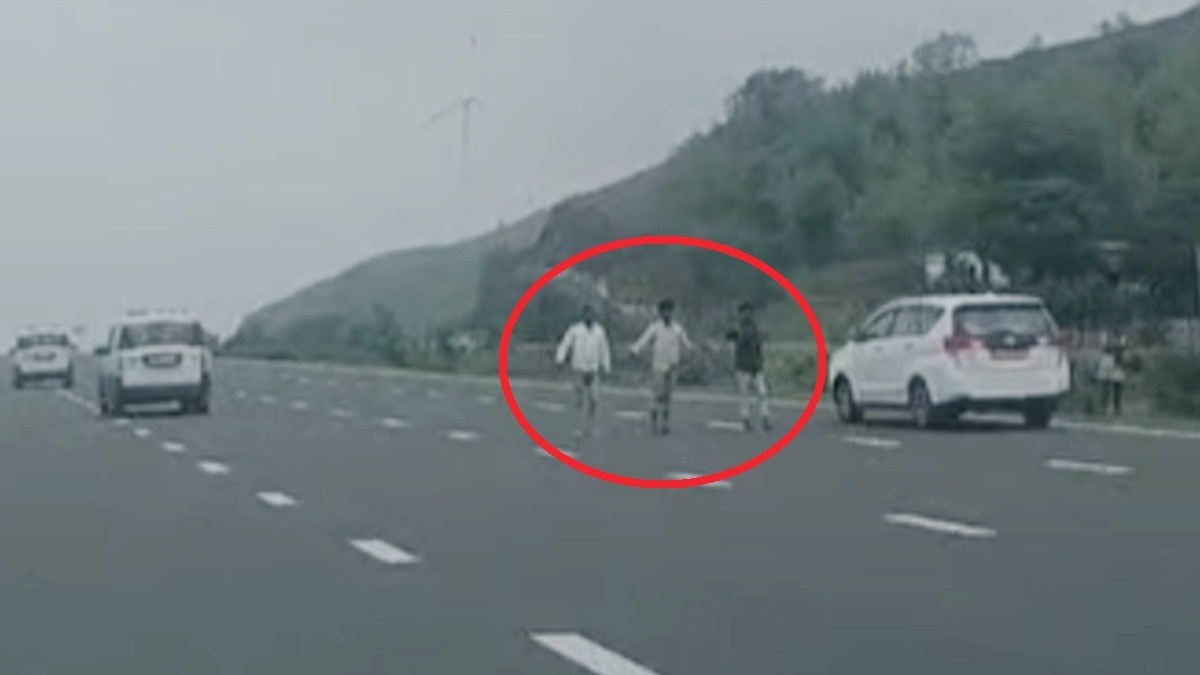
New Delhi – The Delhi‑Mumbai Expressway, hailed as India’s fastest and most technologically advanced highway, became the scene of an unsettling security incident on July 12. Central Road Transport and Highways Minister Nitin Gadkari was travelling at 120 km/h near Ratlam when three young riders on a motorbike abruptly emerged in front of his convoy, prompting a sudden slowdown and a security scramble.
What Happened?
According to official statements, the minister’s convoy comprised two vehicles – a lead security car and a support vehicle – both moving at high speed. The three youths, traveling on a small road adjacent to the expressway, crossed the path of the convoy, forcing the security team to brake sharply. The youths were promptly detained, and no injuries were reported. However, the episode has raised questions about the adequacy of real‑time threat assessment on India’s flagship road.
Background and Protocols
The Delhi‑Mumbai Expressway was built to ‘global best‑practice’ standards, featuring automated tolling, high‑resolution surveillance cameras, and an integrated traffic‑management system. Security details for senior ministers are trained to react instantly to any obstruction, relying on both on‑ground personnel and digital monitoring. The Ratlam incident suggests a lapse in local coordination, especially between highway patrols and nearby police stations.
Expert and Political Reactions
Security analyst Dr. Ajay Singh commented, “Even on a state‑of‑the‑art expressway, the lack of real‑time intelligence can create vulnerabilities. This incident underscores the need for a layered, technology‑driven security net.” Opposition leader Rajiv Singh seized the moment, labeling the episode as ‘government negligence’ and demanding an independent inquiry.
Way Forward
The Ministry of Home Affairs has announced a full investigation, promising corrective measures that may include drone‑based surveillance, a dedicated anti‑tamper system, and a joint command centre linking expressway authorities with district police. Such upgrades would not only bolster ministerial protection but also enhance safety for all commuters using the high‑speed corridor.
As India races ahead with infrastructure projects, the security framework must keep pace. The Ratlam episode is a stark reminder that technological marvels must be complemented by vigilant human oversight and robust local cooperation.