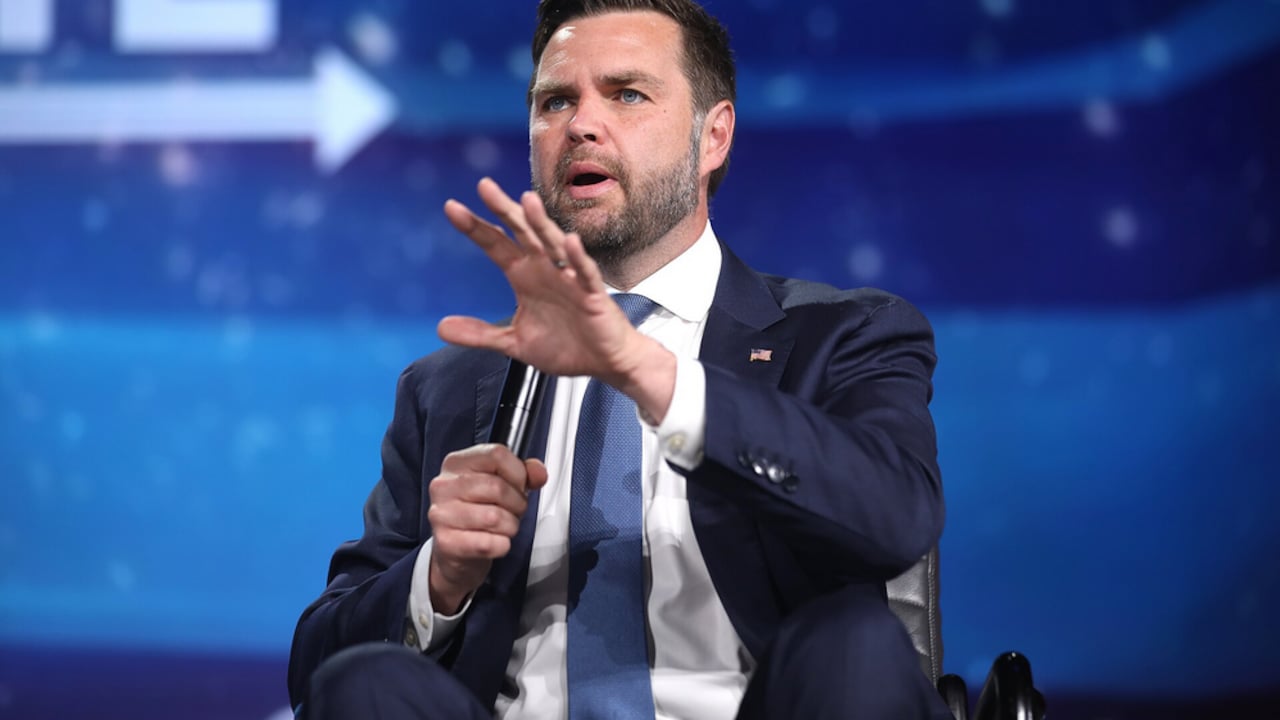
Senator John Vance sharply criticized the misuse of the H‑1B work visa, insisting it was intended for top-tier scientists, technologists, and doctors, not for undercutting American workers. Speaking at a Wisconsin Air National Guard base, he warned that the program must prioritize U.S. employment over foreign exploitation.
Senator John Vance delivered a pointed statement on the H‑1B work‑visa system during a stop at the Wisconsin Air National Guard base. He emphasized that the program was originally designed to give a "brilliant technology person, or a brilliant scientist, or a brilliant doctor" a lawful pathway to contribute to the United States, not to serve as a loophole for job‑stealing foreigners.
Historical Background
Enacted in the early 1990s, the H‑1B visa was created to attract high‑skill foreign professionals to fill gaps in America’s burgeoning tech and research sectors. In its early years, the visa helped fuel the rise of Silicon Valley, where companies could quickly hire engineers, researchers, and specialists who were scarce in the domestic labor pool.
Context of Vance’s Remarks
Vance, a leading Republican voice on immigration, made his comments amid a growing congressional investigation into alleged abuses of the H‑1B program. Labor groups argue that some firms misuse the visa to replace American workers with cheaper foreign labor, thereby depressing wages and job security for native employees.
Political Landscape
Immigration policy remains a flashpoint in U.S. politics. Republicans often rally around the slogan “America First” on employment, while Democrats view the H‑1B visa as essential for maintaining global competitiveness and driving economic growth. Vance’s remarks revive the partisan divide, underscoring the challenge of reconciling industry demand with worker protections.
Future Implications
Following Vance’s statements, lawmakers are likely to intensify debate over H‑1B reforms. Proposed changes could include lowering the annual cap, tightening wage requirements, and imposing stricter enforcement against fraudulent filings. If enacted, such reforms could reshape talent‑acquisition strategies across the U.S. tech sector.
At present, major tech corporations are proceeding cautiously, balancing the need to retain a global talent pipeline with the political pressure to safeguard domestic employment. The outcome of this policy tug‑of‑war will have lasting effects on both the American labor market and the country’s position in the global innovation arena.