In West Bengal’s Burdwan district, Trinamool Congress Zilla Parishad member Bishwanath Bauri’s residence was stormed by villagers after allegations surfaced that his son Pavitra was involved with a married neighbour. Police deployed heavily and the family was forced to vacate the house.
In the rural stretch of Raniganj, West Bengal, a rare flare‑up of social tension turned violent when the home of Trinamool Congress (TMC) Zilla Parishad leader Bishwanath Bauri was vandalised by a gathering of villagers. The unrest was sparked by rumours that Bauri’s son, Pavitra Bauri, was maintaining an extramarital relationship with a married woman from the neighbourhood.
Chronology of the Incident
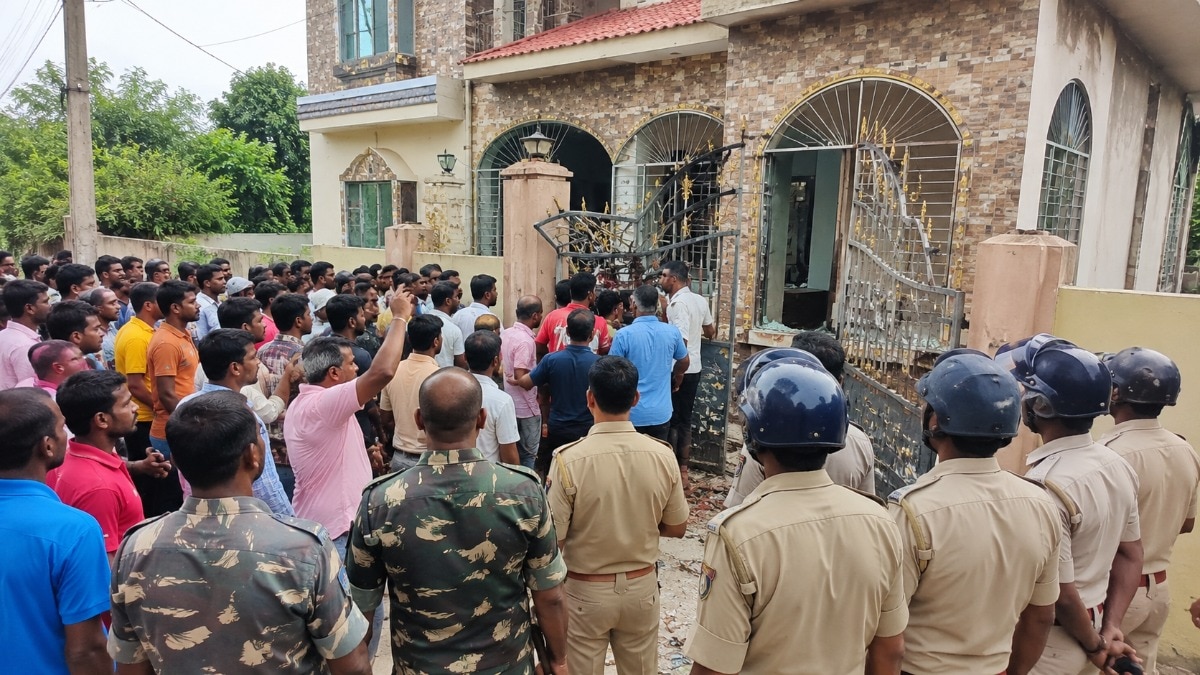
According to local residents and eyewitnesses, the allegation spread like wildfire, prompting a large crowd to assemble outside the Bauri family’s house in Ratibati. Protesters hurled stones at the main gate, steel grills and window panes, shattering glass and damaging the property’s façade. Several sections of the house were completely ransacked, and the mob demanded that if the relationship were real, Pavitra should openly acknowledge it and marry the woman.
Family’s Stance and Call for ‘Social Justice’
A female relative identified as Basanti told reporters that the family had known about the liaison for a long time but only now sought “social justice” after the matter entered the public domain. She emphasized that the Bauris have never intimidated anyone and have always respected the community. Basanti added that the family’s sole request was for Pavitra to appear before the villagers so that the dispute could be settled amicably.
Police Intervention and Ongoing Investigation
Police forces initially arrived at the scene but struggled to disperse the agitated crowd. Reinforcements were subsequently deployed, establishing a heavy police presence that eventually restored order. The Bauri family vacated the residence as tensions escalated. Authorities have launched a formal investigation and continue to monitor the area closely.
Political and Societal Ramifications
The episode underscores the fragile interplay between personal scandals and political image in West Bengal, where the TMC holds a dominant position. While the party’s leadership may view the incident as a private matter, the public backlash highlights growing expectations for accountability and moral conduct from elected representatives. Moreover, the incident reflects broader rural anxieties about honour, reputation, and the demand for transparent resolution of family disputes.
Going forward, political parties and local administrations may need to develop clearer protocols for handling such socially charged controversies, balancing legal due process with community sentiment to prevent escalation into violence.