The Assam government has proposed disciplinary action against civil servants practising polygamy, while the Congress party argues that current marital laws already provide sufficient deterrence. The plan also includes amending the Assam Services (Discipline and Appeal) Rules, 1964.
Key Takeaways
- Assam proposes to treat polygamy as a disciplinary offence for government employees.
- Congress contends that existing marriage legislation is adequate.
- Amendments to the Assam Services (Discipline and Appeal) Rules, 1964 are also slated.
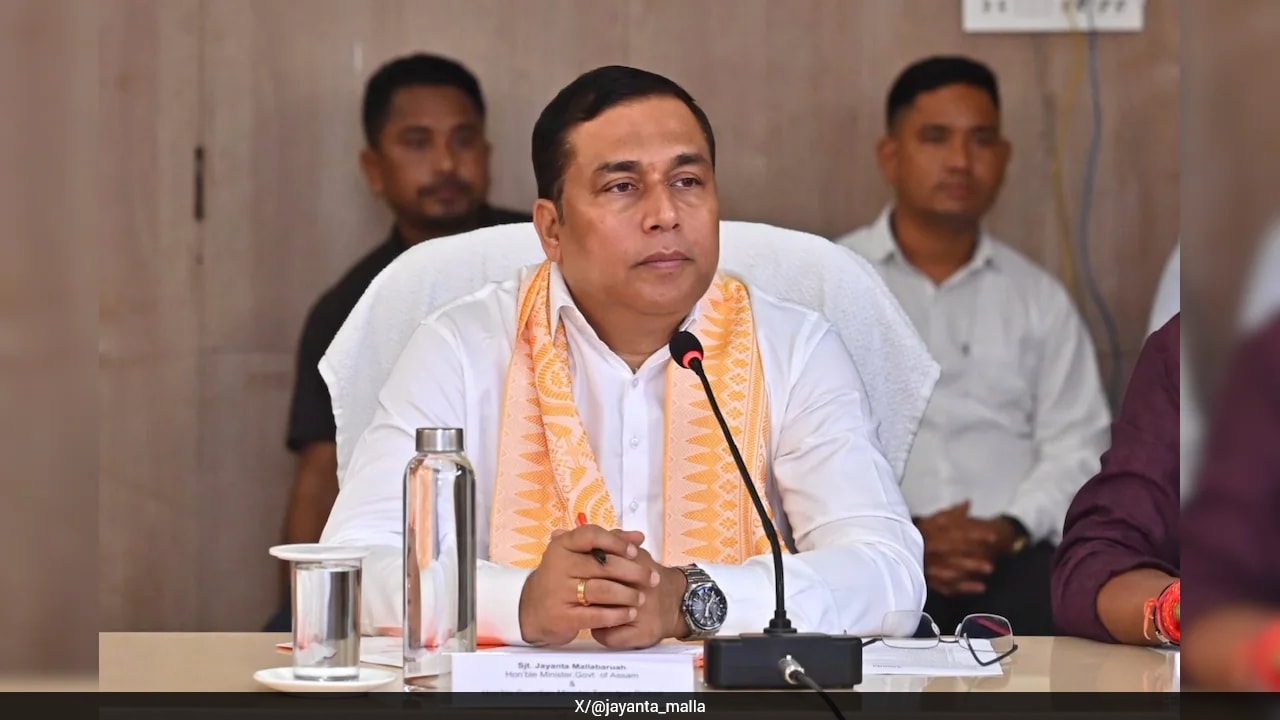
The state government of Assam has tabled a proposal that would categorise the practice of polygamy among its civil servants as a disciplinary violation. Under the draft, any employee found to be married to more than one spouse could face suspension, salary deductions, or even termination of service, thereby tightening the ethical standards expected of public officials.
Legal Background
While Indian law, notably the Indian Penal Code and the Hindu Marriage Act, already criminalises polygamy for most citizens, many state service rules do not explicitly address marital conduct. The Assam Services (Discipline and Appeal) Rules, 1964, primarily govern conduct, discipline and appeal procedures for state employees, but they lack a specific clause targeting polygamous relationships. The current proposal seeks to insert such a clause, effectively bringing marital fidelity under the umbrella of service discipline.
Congress Party’s Stance
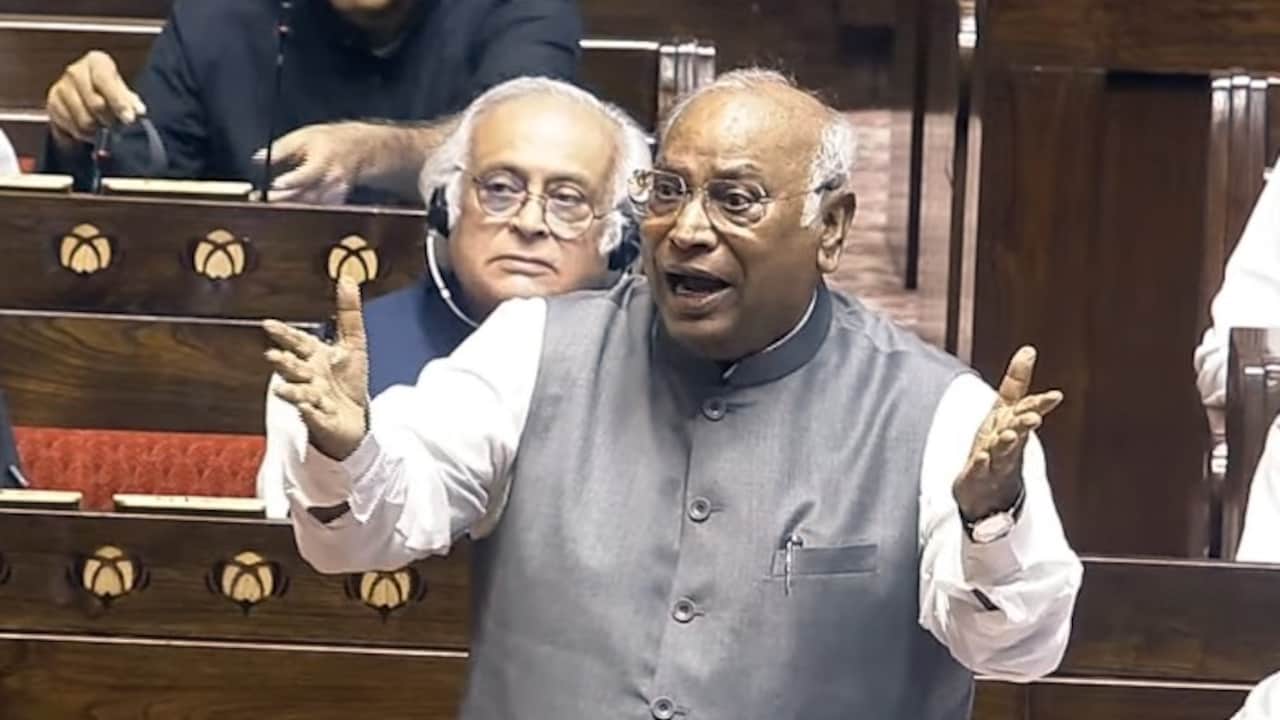
The opposition Congress party has cautioned against the move, arguing that the existing national statutes already provide a robust legal framework to deter polygamy. Congress leaders warned that adding a parallel state‑level disciplinary provision could create procedural redundancies, increase administrative burden, and potentially lead to legal ambiguities. They have urged the government to focus on stricter enforcement of existing laws rather than drafting new regulations.
Potential Implications
If passed, the amendment could set a precedent for other Indian states grappling with similar ethical concerns within their bureaucracy. It may also trigger a broader debate about the role of state governments in policing personal conduct of employees beyond professional duties. Critics point out that without clear definitions, evidentiary standards, and safeguards against misuse, the rule could be weaponised in political or personal vendettas.
Next Steps
The proposal now awaits debate in the Assam Legislative Assembly, where it is likely to encounter rigorous scrutiny from opposition parties and civil‑society groups. Women’s rights organisations have welcomed the intent but stress the need for comprehensive gender‑sensitive policies. Ultimately, the success of Assam’s initiative will hinge on balancing moral objectives with legal clarity and administrative practicality.