The Kerala High Court directed the state government to release ex gratia payments without delay, hand over bodies swiftly, and explain why workers were present at the tunnel site despite a construction halt.
Key Takeaways
- Kerala government ordered to disburse ex gratia compensation immediately.
- Clarification required on presence of workers at the tunnel project after work was halted.
- Prompt handover of victims' bodies to families mandated.
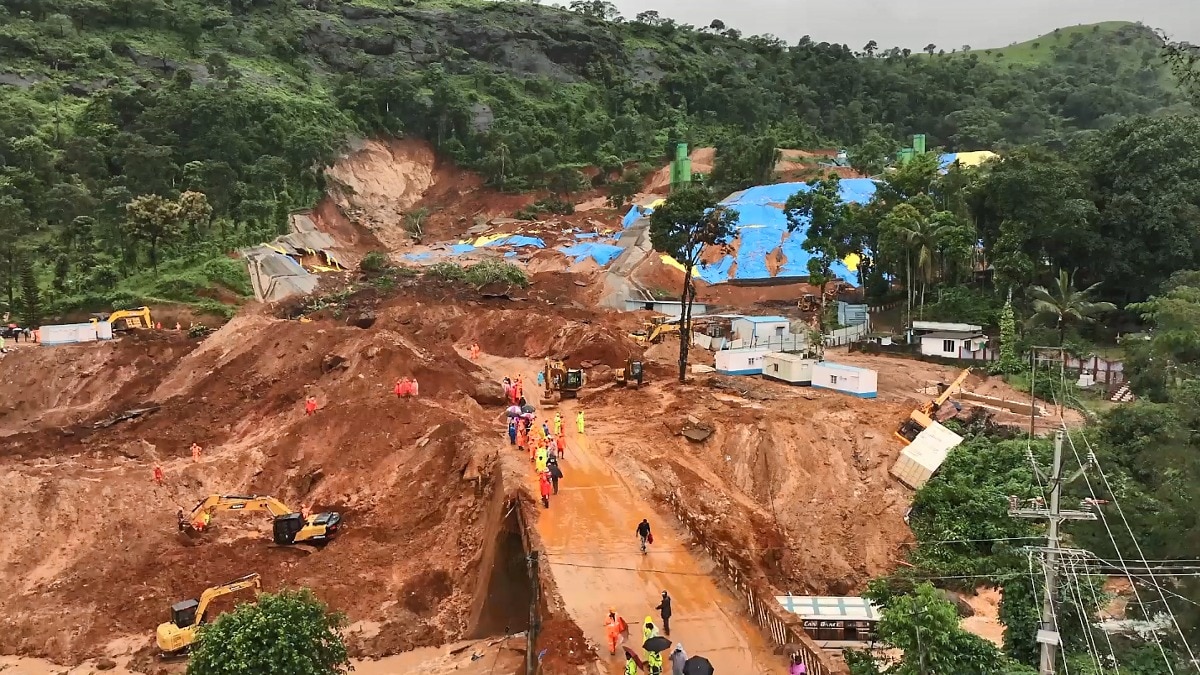
The Kerala High Court on Friday issued two decisive orders following the devastating landslide in Wayanad on July 7. First, it instructed the state to release ex gratia compensation to the next‑of‑kin of the deceased and to cover medical expenses of the injured without any delay. Second, it mandated that the bodies of the victims be handed over to their families swiftly, eliminating bureaucratic lag.
Background and Legal Context
Wayanad, a hilly district prone to heavy monsoon rains, has witnessed several landslides in recent years. In 2024, the villages of Mundakkai and Chooralmala suffered two massive slides that claimed over 200 lives, exposing serious gaps in Kerala’s disaster‑management framework. In response, the High Court took suo motu cognizance of the situation, launching a series of inquiries aimed at strengthening preventive measures and ensuring timely relief.
Tunnel Project Controversy
The court specifically queried the Anakkompoyil‑Meppadi tunnel project, a key infrastructure initiative meant to improve connectivity between Wayanad and Kozhikode districts. While the state government asserted that all external work was suspended on May 25 and a complete halt ordered on July 5, the bench asked, “What were the workers doing at the site?” The government must submit a detailed explanation before the next hearing.
Rescue Operations and Challenges
Rescue officials reported that cadaver dogs failed to locate bodies due to thick mud and slush, forcing teams to conduct manual searches. This underscores the severe logistical challenges faced during emergency response in such rugged terrain.
Implications and Way Forward
By directing that compensation and medical costs may temporarily be charged to the tunnel project’s account, the court leaves open the possibility of later recovery from responsible parties. The High Court’s orders aim to provide immediate relief to affected families while holding the government accountable for oversight lapses, setting a precedent for stricter monitoring of disaster‑prone construction sites.