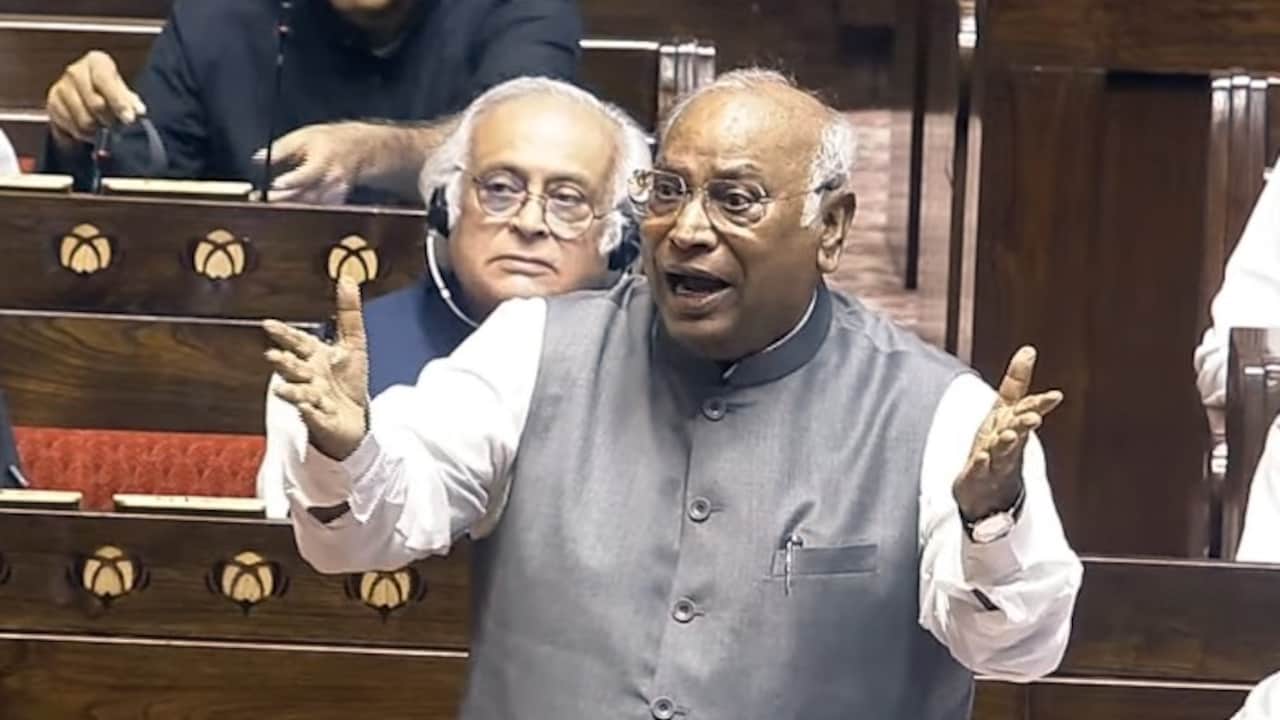
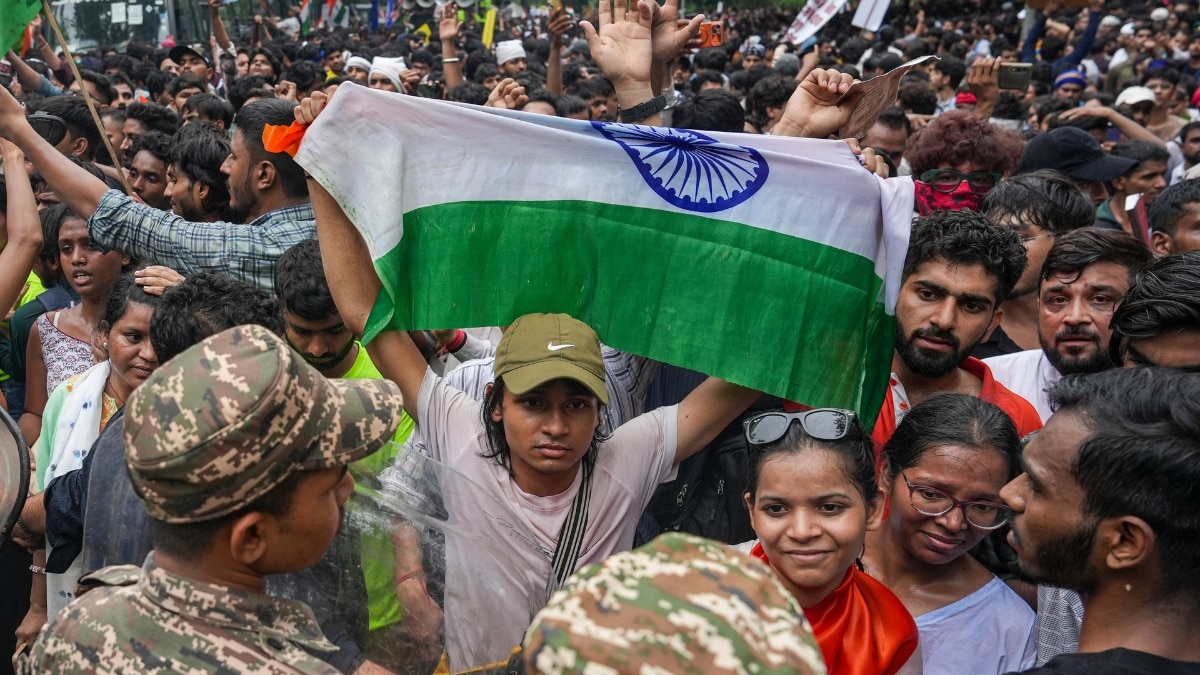
In Kalaburagi, the Koli (Kabbaliga) community has petitioned the state for compulsory registration and financial audit of the Rashtriya Swayamsevak Sangh. Congress leader Lacchappa Jamadar backs Home Minister Priyank Kharge’s push for transparency.
Key Takeaways
- Koli community calls for RSS registration and financial audit
- Home Minister Priyank Kharge's queries framed as constitutional
- Demands include security upgrades for the minister and legal action against threats
On July 10, 2026, members of Karnataka’s Koli (Kabbaliga) community staged a high‑profile protest outside the Deputy Commissioner’s office in Kalaburagi, demanding that the Rashtriya Swayamsevak Sangh (RSS) be subject to the same registration and audit requirements as other NGOs. The protest was organized by the Karnataka State Koli Kabbaliga S.T. Horata Samiti and led by its state president, Congress veteran Lacchappa S. Jamadar.
Political Context
The demonstration was sparked by a recent letter from Home Minister Priyank Kharge to RSS chief Mohan Bhagwat, in which Kharge questioned the legal registration status of the century‑old right‑wing organization. While opposition parties framed Kharge’s move as a political attack, the Koli protesters framed it as a legitimate constitutional query, echoing the minister’s call for uniform accountability across all public bodies.
Demands and Five‑Point Charter
Jamadar’s memorandum presented a five‑point charter, which includes:
- Immediate statutory registration of the RSS; failure to comply would render its activities illegal in Karnataka.
- Filing criminal cases against Union ministers, BJP MPs and MLAs alleged to have threatened Home Minister Kharge.
- Upgrading the security cover for Minister Kharge, citing recent threats.
- An unbiased investigation into alleged mismanagement of public donations for the Ayodhya Ram Temple.
- Extending the same registration and financial reporting obligations to RSS as imposed on NGOs, public trusts, and self‑help groups nationwide.
Potential Impact
If the state adopts these demands, it could set a precedent for stricter oversight of religious and socio‑political organisations across India. Mandatory registration and rigorous financial audits would increase transparency, potentially curbing unchecked fundraising and political influence. Conversely, critics argue that such measures could be weaponised against dissenting voices, heightening communal tensions.
Analyst Perspective
Political analysts view the Koli community’s mobilization as a litmus test for India’s commitment to institutional accountability. Successful implementation could reinforce public trust in democratic institutions; failure or selective enforcement might deepen political polarization and undermine the very transparency the protest seeks.