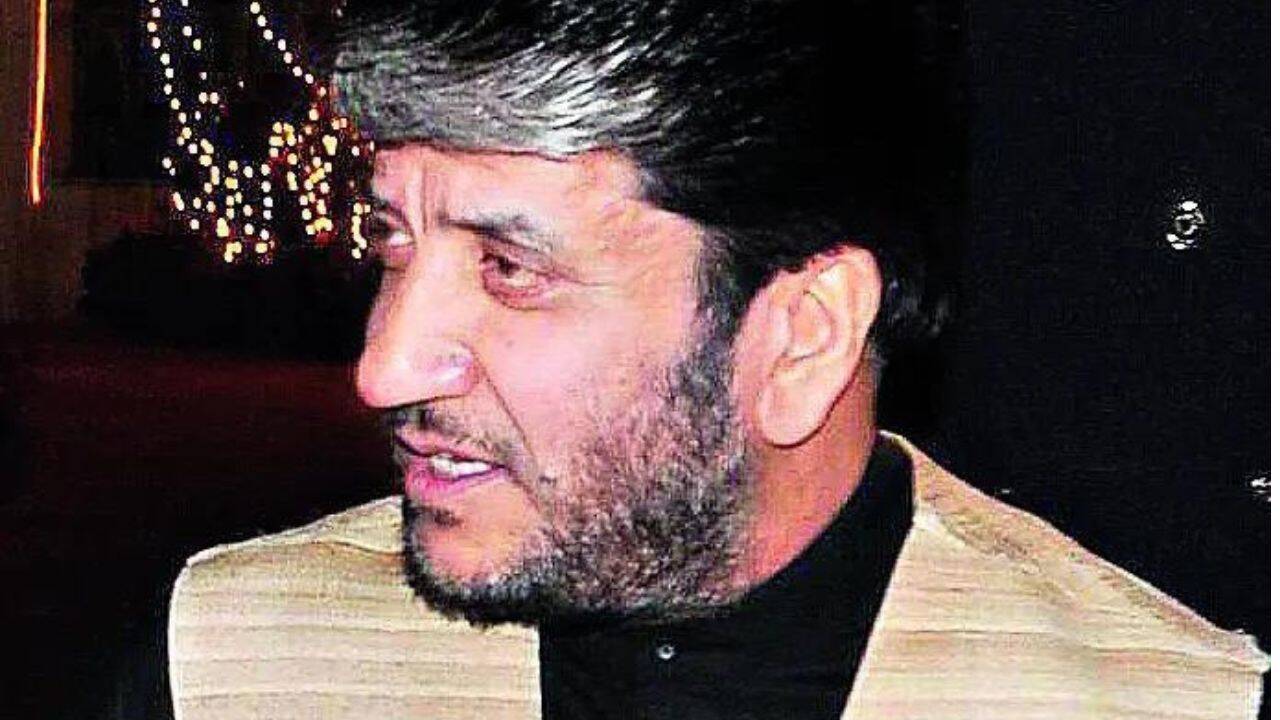
The National Investigation Agency (NIA) has lodged a comprehensive chargesheet against Shabir Ahmad Shah and five senior Hurriyat Conference members for alleged conspiracy, attempted murder and terror offences during a 1996 funeral procession in Srinagar. The case, transferred from J&K police, could reshape security and separatist narratives in the region.
Key Takeaways (मुख्य बिंदु)
- NIA charges Shabir Shah and five co‑accused with criminal conspiracy, murder attempt and terrorism offences linked to the 1996 Srinagar mob incident.
- The investigation was handed over from J&K police to NIA in April 2026, elevating the case to a national security matter.
- Charges against senior Hurriyat leaders Syed Ali Shah Geelani, Abdul Ganie Lone and Mohd Yaqoob Wakeel stand abated due to their deaths.
On July 17, 1996, a funeral procession for slain militant Hilal Ahmad Beigh turned violent in Srinagar’s Naaz Crossing. The National Investigation Agency (NIA) has now filed a chargesheet against six senior Hurriyat Conference functionaries – Shabir Ahmad Shah, Syed Ali Shah Geelani, Abdul Ganie Lone, Mohd Yaqoob Wakeel, Javid Ahmad Mir and Shakeel Ahmad Bakshi – accusing them of criminal conspiracy, attempt to murder, rioting, assault on public servants and violations of the Unlawful Activities (Prevention) Act, 1967.
Background and Incident Details
According to the NIA, armed militants infiltrated the funeral cortege, opened fire on police personnel, injured several officers and caused extensive damage to government vehicles through stone‑pelting. The mob also shouted anti‑India, pro‑Pakistan and separatist slogans, delivered inflammatory speeches and called for armed struggle, thereby turning a solemn ceremony into a platform for separatist propaganda.
Transfer of Investigation to NIA
The Union Home Ministry moved the probe from the Jammu & Kashmir Police to the NIA in April 2026, citing the need for a pan‑India investigative capacity to address the alleged larger conspiracy. The agency argues that the violence was orchestrated by Hurriyat leadership to mobilise public sentiment against the Centre, demonstrate organisational strength and further a secessionist agenda.
Current Judicial Status
A Jammu court rejected Shabir Shah’s bail plea last week, extending his custodial sentence in a Jammu jail. While the charges against the deceased leaders – Geelani, Lone and Wakeel – have been abated, proceedings continue against Shah, Javid Ahmad Mir and Shakeel Ahmad Bakshi.
Implications for Kashmir Politics and Security
This development could significantly weaken Hurriyat’s political leverage and signal a tougher stance by the central government on separatist elements. A conviction would set a precedent for using anti‑terror legislation against senior political figures, potentially reshaping the legal landscape for dissent in Jammu & Kashmir. Moreover, the case underscores the delicate balance between safeguarding national security and preserving democratic freedoms in a region long fraught with unrest.