In a joint raid by the National Investigation Agency (NIA) and local forces, Pradip and his wife Ayinghi were detained in Kangpokpi, Manipur, accused of murdering six Naga civilians—a development that could further inflame ongoing ethnic tensions.
Key Takeaways
- Pradip and Ayinghi arrested in an NIA‑led operation
- Accused of killing six Naga civilians on May 13, 2026
- Arrest may impact the fragile Naga‑Kuki conflict dynamics
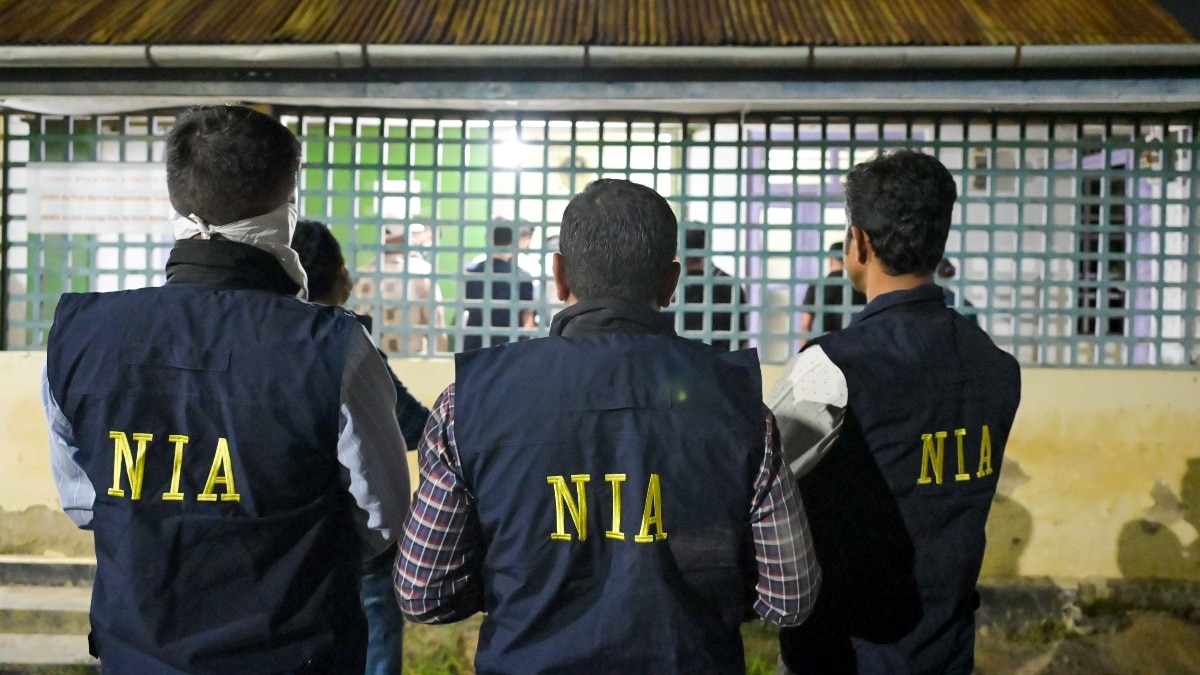
On Friday, a coordinated team comprising the National Investigation Agency (NIA), Manipur Police, and the Central Reserve Police Force (CRPF) executed a precision raid in Kangpokpi district, apprehending a husband‑wife duo identified as Pradip and his spouse Ayinghi. Both hail from Leilon Vaiphei, a village dominated by the Kuki community.
Background of the Incident
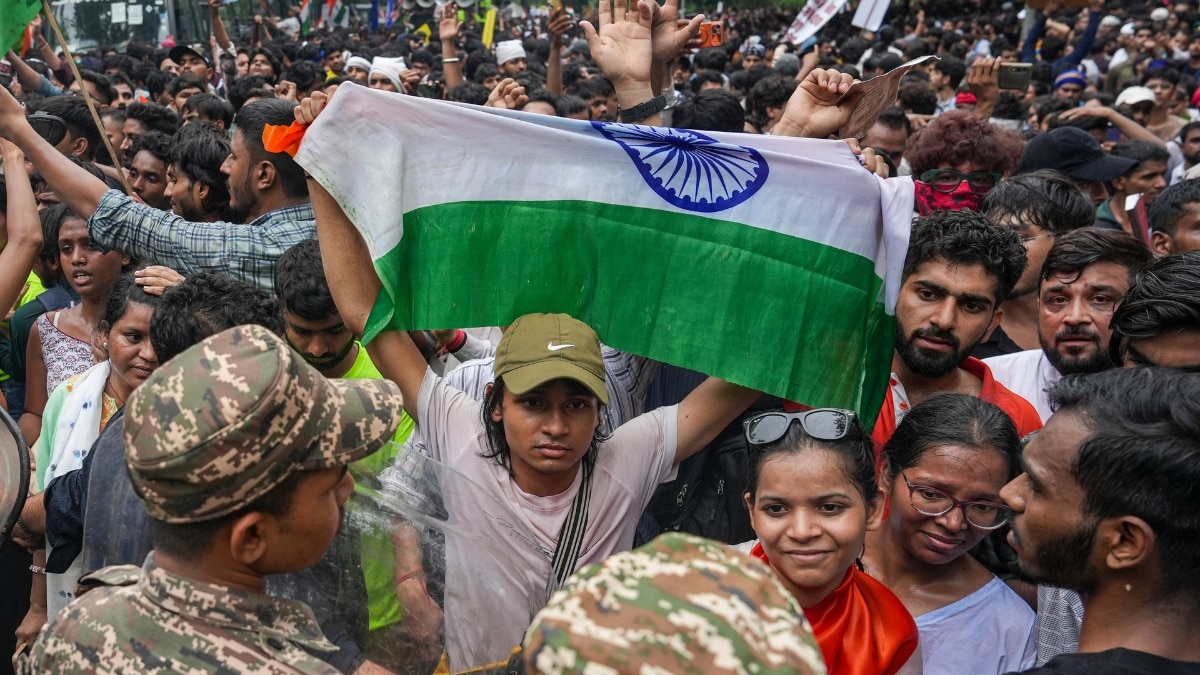
On May 13, six Naga civilians were brutally killed in Leilon Vaiphei, sparking protests across Manipur by both Naga and Meitei communities. The bodies were recovered on June 10 after an extensive search operation. Police statements indicate that the arrests were made based on credible intelligence, underscoring a decisive law‑enforcement response to a high‑profile ethnic‑based crime.
Ethnic Conflict Context
The killings are part of a larger pattern of retaliatory violence that has plagued Manipur for months. Earlier in May, two separate ambushes—one in Kangpokpi and another in Noney—resulted in the kidnapping of roughly 20 Naga individuals and 28 members of the Kuki community. While 14 hostages were released on May 15 after negotiations, the remaining six Naga victims were later found dead, intensifying communal animosity.
Political and Social Ramifications
Kuki‑Zo Council (KZC) chairman Henlienthang Thanglet publicly apologized for the killings, calling for an impartial probe into all acts of violence linked to the ongoing ethnic strife. However, his remarks were later misinterpreted by certain factions as an admission of collective guilt, prompting backlash from a prominent Naga student organisation. This miscommunication highlights the fragile trust between communities and the challenges faced by authorities in managing narratives.
Looking Ahead
The detention of Pradip and Ayinghi signals a firm stance by central security agencies against impunity, yet lasting peace will likely require more than arrests. Analysts argue that sustainable solutions must combine legal accountability with dialogue, socio‑economic development, and confidence‑building measures at the grassroots level.