Trinamool Congress (TMC) stalwart Anubrata Mandal has defected to the rebel camp led by Ritabrata Banerjee, intensifying political turmoil in West Bengal. The move could reshape the upcoming state elections and challenge Mamata Banerjee’s leadership.
Key Takeaways (मुख्य बिंदु)
- Anubrata Mandal joins Ritabrata Banerjee's rebel faction
- Ritabrata appoints district presidents, naming Mandal head of Birbhum
- Internal TMC rift deepens, potentially impacting upcoming assembly polls
One of the closest confidants of West Bengal Chief Minister Mamata Banerjee, Anubrata Mandal, officially entered the rebel camp led by Ritabrata Banerjee on Saturday. The announcement marks a significant escalation in the internal discord that has been simmering within the Trinamool Congress (TMC) for months.
Background and Recent Developments
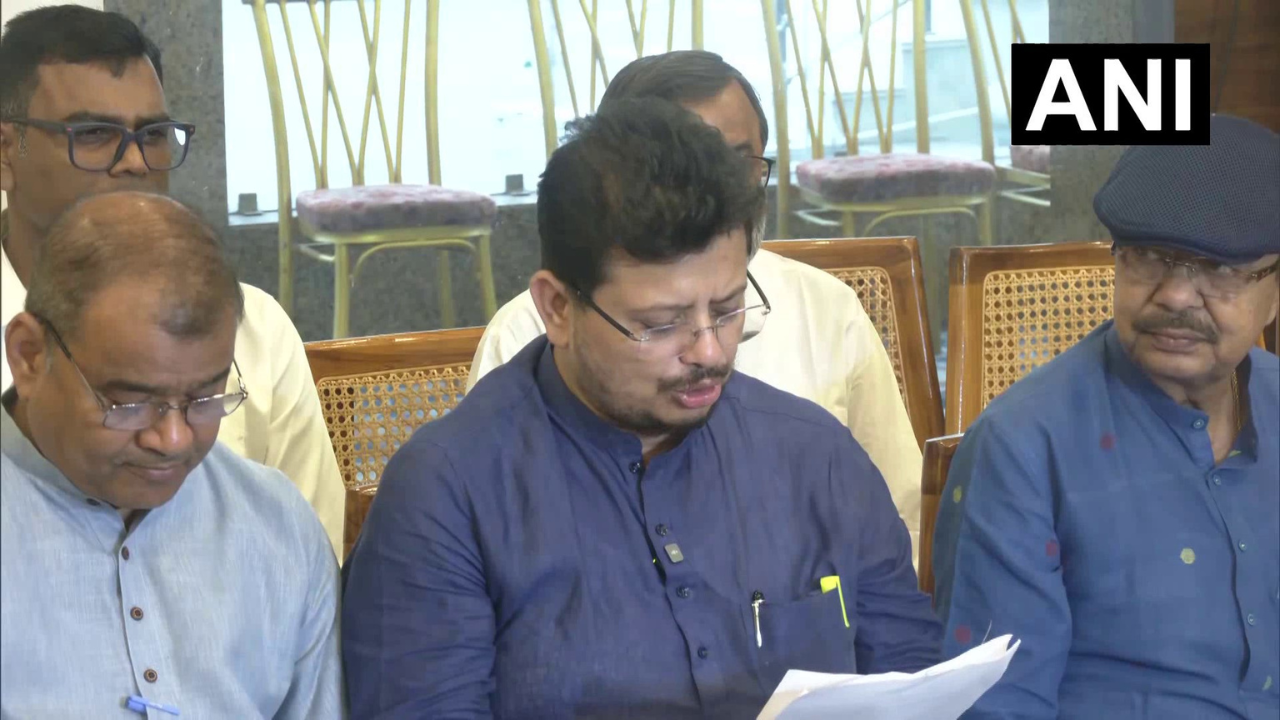
Ritabrata Banerjee, who has been spearheading a splinter faction within the TMC, announced a slate of district presidents, appointing Anubrata Mandal as the president of the Birbhum district. "We have appointed the Presidents of various districts: Prasun Banerjee for Malda, Debashis Kumar for South Kolkata, Sandipan Saha for North Kolkata, and Anubrata Mandal for Birbhum," he declared during a press briefing.
Mandals' Political Trajectory
Previously regarded as one of Mamata’s most trusted aides, Mandal kept a low profile after the May 4 election results, refusing to comment on his future plans. He spent 25 months behind bars on an alleged cattle‑smuggling case, securing bail only in September 2024. His sudden alignment with the rebel faction underscores the growing fractures within the TMC, especially after senior Birbhum legislators like former minister Chandranath Sinha and MLA Kajal Sheikh switched sides earlier this year.
Implications for West Bengal Politics
With the state’s next assembly elections looming, defections of high‑profile leaders could erode TMC’s traditional vote bank. Birbhum, a strategically important constituency, now falls under a rebel‑led leadership, potentially giving opposition parties a foothold in a region that has historically favored Mamata’s party. Political analysts warn that continued splintering may hand the opposition a decisive advantage, reshaping the electoral map of West Bengal.
Looking Ahead
Experts suggest that Mamata Banerjee must swiftly restore confidence among her cadres, perhaps through a reshuffle or targeted outreach, to stem the tide of defections. Simultaneously, the rebel camp needs to consolidate its leadership and present a coherent alternative to retain its newly acquired members. The outcome of this internal struggle will not only influence West Bengal’s political stability but could also reverberate through national politics, given the state’s significance in the broader Indian political landscape.