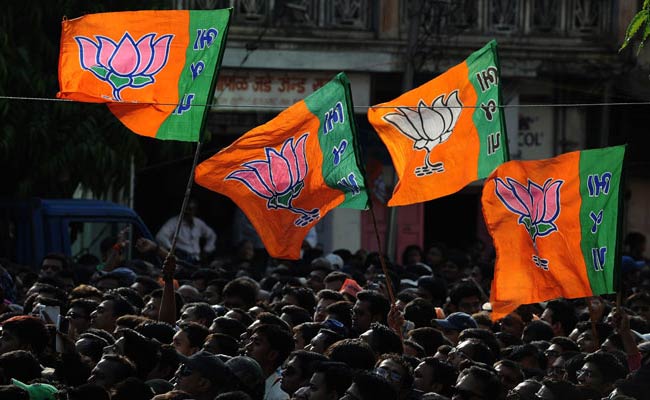
The BJP is replicating its West Bengal election formula in Punjab, targeting specific voter blocks with senior leaders on the ground. The move could reshape the state’s political balance ahead of the next assembly polls.
Key Takeaways
- Adapting West Bengal’s voter‑targeting model for Punjab
- Senior party leaders deployed to engage key demographics
- Potential shift in Punjab’s electoral dynamics and national implications
The Bharatiya Janata Party has launched a calculated outreach drive in Punjab, mirroring the tactics that proved effective in West Bengal. According to party insiders, the high command has dispatched senior leaders to critical districts to cement support among distinct voter segments, aiming to rewrite the state’s political calculus.
West Bengal Playbook: A Brief Recap
In the 2021 West Bengal assembly race, the BJP focused on a multi‑pronged strategy: courting small‑scale farmers, trade‑union workers, and urban youth while emphasizing development promises and social welfare schemes. Although the party fell short of forming the government, the approach sharpened its grassroots presence and set a template for future contests.
Punjab’s Political Landscape
Punjab has long been dominated by the Indian National Congress and the Shiromani Akali Dal, with regional parties like the Aam Aadmi Party (AAP) also gaining traction. The BJP’s performance in recent state elections has been modest, yet its national ascendancy fuels aspirations of breaking the traditional duopoly. By targeting agrarian concerns, water scarcity, and unemployment, the party hopes to win over the rural electorate and the burgeoning urban middle class.
Strategic Deployment and Anticipated Outcomes
Key figures have been sent to pivotal constituencies such as Jalandhar, Patiala, Amritsar, and Rohtak (note: Rohtak is in Haryana, but the reference is illustrative for cross‑border influence). Their mandate is to engage directly with farmers, address loan distress, and present job‑creation initiatives. Success could translate into a decisive swing in the upcoming assembly polls, bolstering the BJP’s coalition at the centre. Conversely, a misread of local sentiments could cost the party valuable ground and resources.
Overall, the Punjab gamble reflects a broader trend of the BJP seeking to transplant proven regional formulas onto new terrains, a strategy that could either cement its dominance across India or expose the limits of a one‑size‑fits‑all approach.