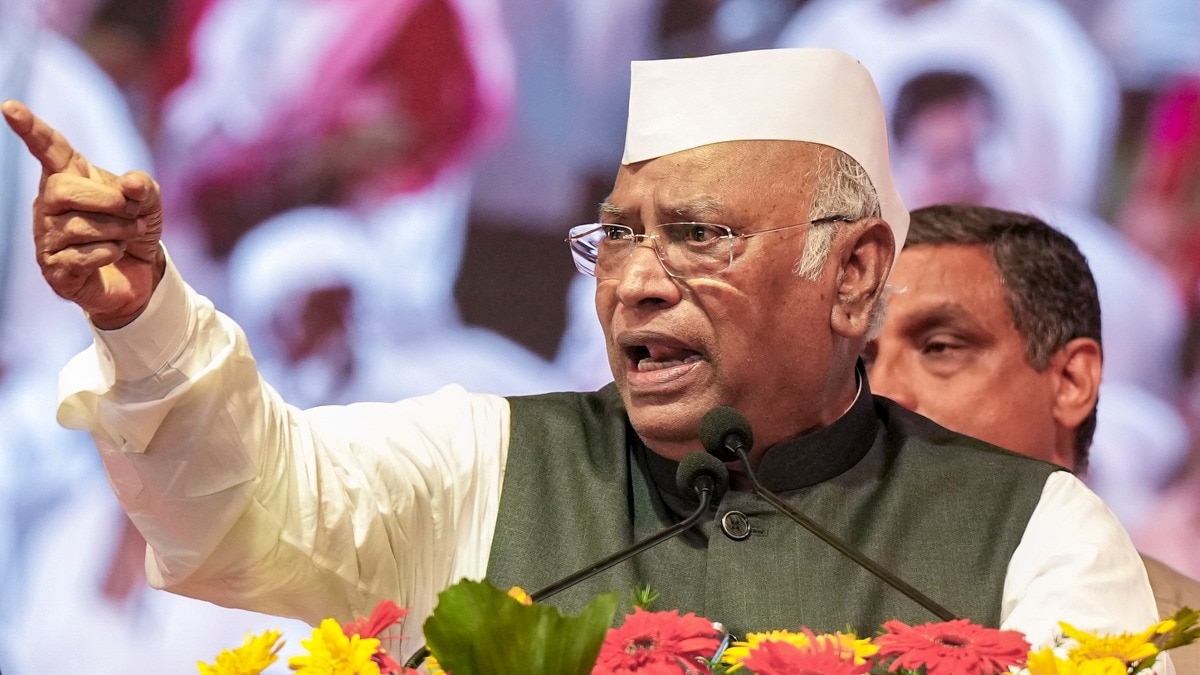
Congress leader Mallikarjun Kharge alleges a massive diversion of rice earmarked for ethanol production, citing a loss of roughly Rs 1,200 crore and 5 lakh tonnes of grain siphoned into the public distribution system.
Key Takeaways (मुख्य बिंदु)
- Alleged ethanol‑linked rice scam worth about Rs 1,200 crore
- 5 lakh metric tonnes of rice diverted to private mills and re‑entered PDS
- Kharge blames BJP rule for systemic corruption and erosion of accountability
Congress president Mallikarjun Kharge took to X on July 11, 2026 to highlight a purported large‑scale scam in Madhya Pradesh where rice allocated for ethanol production was allegedly rerouted back into the Public Distribution System (PDS). He warned that the diversion not only impoverishes the state treasury but also deprives malnourished children, pregnant women and adolescent girls of essential nutrition.
How the Scam is Said to Operate
According to multiple media investigations, the state government earmarked subsidised rice for approved ethanol plants. Instead of processing it into bio‑fuel, the grain was allegedly sold to private rice millers, who then supplied it to government warehouses, effectively laundering the commodity. A Special Investigation Team (SIT) has been constituted to probe the multi‑crore racket, which reportedly involved 5 lakh MT of rice and a network of “ethanol mafia”, grain traders and BJP‑aligned officials.
Political Ramifications
Kharge framed the episode as proof that Madhya Pradesh has become “the epicentre of corruption and loot” under the BJP. He also questioned Prime Minister Narendra Modi’s silence, suggesting that the BJP’s hold on power has eroded the very concept of public‑life accountability. The Congress chief linked the rice diversion to earlier scandals – the Vyapam examination fraud, paper‑leak cases, and a separate land‑acquisition controversy in Ujjain – painting a picture of systemic graft spanning multiple administrations.
Historical Context and Potential Impact
The state’s reputation for corruption dates back to the 2013‑14 Vyapam scam, which exposed massive manipulation of recruitment exams. Kharge’s latest accusation could reignite scrutiny of the BJP’s governance model in the region, potentially influencing voter sentiment ahead of upcoming state elections. If the SIT’s findings substantiate the claims, legal actions could target senior officials and possibly lead to a re‑evaluation of ethanol‑linked subsidy policies.
Next Steps and Outlook
While the SIT’s report is pending, opposition parties have demanded a parliamentary debate on the matter. BJP spokespeople have cautioned against premature judgments, insisting that allegations must be proven with concrete evidence. The controversy may also spur reforms in PDS monitoring and ethanol procurement, as policymakers seek to restore public trust.