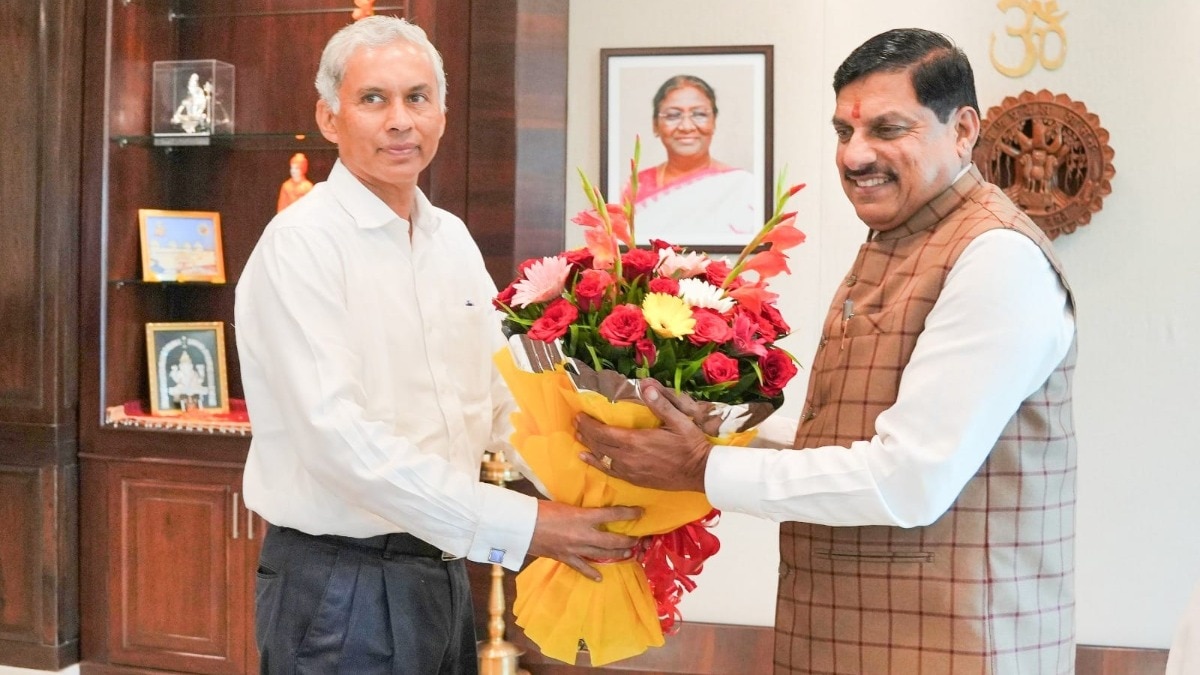
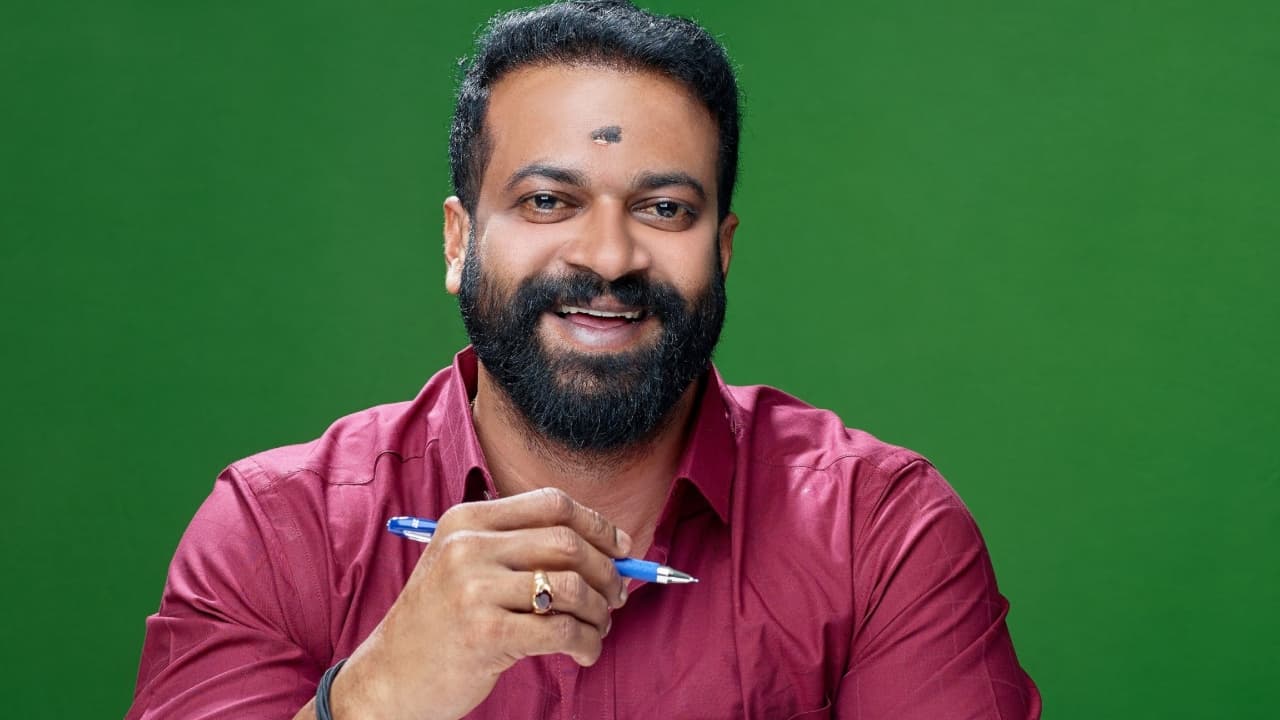
The Rajamahendravaram Municipal Corporation will deploy its own ₹48 crore while seeking around ₹580 crore from central schemes. The plan aims to complete all urban works well before the 2027 Godavari Pushkaram.
Key Takeaways (मुख्य बिंदु)
- ₹580 crore central funding request
- Infrastructure ready before 2027 Pushkaram
- ₹48 crore local municipal allocation
Rajamahendravaram Municipal Corporation (RMC) announced that it will utilise its existing ₹48 crore and pursue roughly ₹580 crore through various central government schemes to complete urban infrastructure ahead of the Godavari Pushkaram in 2027. This proactive approach reflects lessons learned from the 2015 event, where work began only four months before the festival.
Historical Significance of Pushkaram
The Godavari Pushkaram is a once‑in‑12‑years pilgrimage where millions of devotees bathe in the sacred river. In 2015, more than 4.8 crore pilgrims participated, with a peak day crowd of about 60 lakh. For 2027, the state projects nearly 10 crore devotees, expecting around 1 crore to take the holy dip on the busiest day.
Comprehensive Infrastructure Blueprint
Key components include deploying 15,000 sanitation staff (up from 8,000 in 2015), expanding security personnel, and integrating modern crowd‑management technologies. Specific projects under scrutiny are a ₹15 crore underground cable network, a ₹22 crore river‑front development, and a ₹97 crore “Akhanda Godavari” initiative that will add a walking track on the historic Havelock Bridge linking the city’s riverfront to Bridge Lanka island.
Financial Strategy and Funding Mechanisms
RMC Commissioner Rahul Meena, together with Urban Development Authority Chairman Boddu Venkataramana Chowdary, directed civic officials to explore Transferable Development Rights (TDR) bonds as a financing tool. This model could generate additional revenue streams for the municipality while reducing reliance on ad‑hoc state grants.
Broader Implications
Beyond religious significance, the project is poised to boost regional tourism, create employment, and enhance urban livability. Successful execution could set a precedent for other large‑scale cultural events across India, positioning the state as a benchmark for integrated infrastructure planning tied to heritage festivals.