Iran's newly appointed Supreme Leader Mojtaba Khamenei pledged revenge for his father's death, targeting the United States and Israel. The statement elevates the demand for retaliation to a national priority amid rising regional tensions.
Key Takeaways
- Mojtaba Khamenei swears revenge for his father
- Calls for a retaliatory policy against the U.S. and Israel
- Potential escalation of Iran‑U.S./Israel tensions
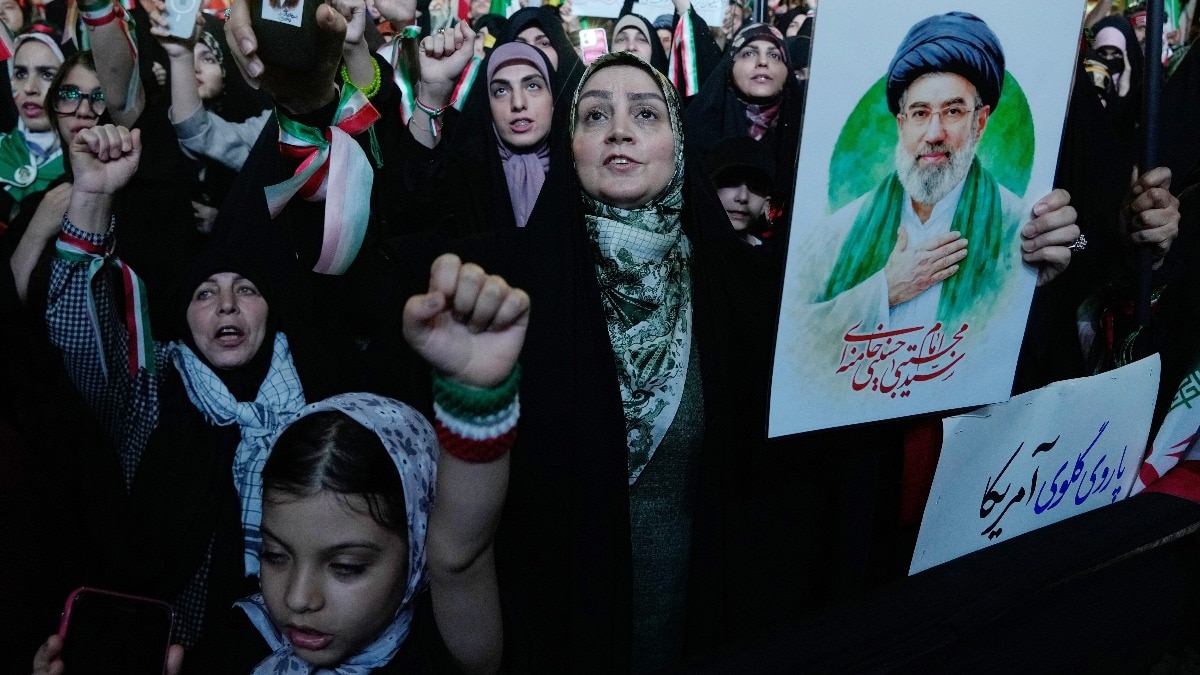
Tehran – On July 11, 2026, following the funeral of former Supreme Leader Ali Khamenei, his son Mojtaba Khamenei delivered his first public address, declaring a vow of vengeance against the United States and Israel. The speech not only honored his father's legacy but also sent a stark warning to Washington and Jerusalem, framing retaliation as an irrevocable national demand.
Core Message of the Speech
Mojtaba announced, “We swear on the holy blood of the martyr leader and all the martyrs of the two wars to take revenge.” He emphasized that this revenge is not a mere slogan but a compulsory objective that Iran will pursue “by any means necessary.” The leader also listed individuals he considers responsible, ranging from the highest echelons to lower‑level operatives, hinting at a prepared retaliation roster.
Historical Context
Ali Khamenei, aged 86, was killed on February 28, 2026, in a coordinated U.S.–Israeli drone strike that also injured other senior family members. The attack came after a series of confrontations in Iraq and Syria (2020‑2022), which saw a significant rise in Iranian casualties. Following his father's death, Mojtaba was appointed as Iran’s new religious‑political head, though security concerns kept him away from the actual funeral proceedings.
Domestic and International Implications
The revenge vow is likely to reinforce domestic unity while simultaneously heightening geopolitical friction. Analysts warn that the rhetoric could reshape Iran’s strategic calculus amid ongoing sanctions, economic pressure, and potential military responses from the West. Should Tehran move from rhetoric to action, the Middle East security landscape could face a fresh wave of volatility.
Analytical Perspective
Political commentators argue that Mojtaba’s hardline stance serves a dual purpose: consolidating internal support and signaling to foreign adversaries that Iran will not be deterred. However, this aggressive posture risks exacerbating Iran’s economic woes, as heightened risk perception may deter foreign investment and further isolate the country.