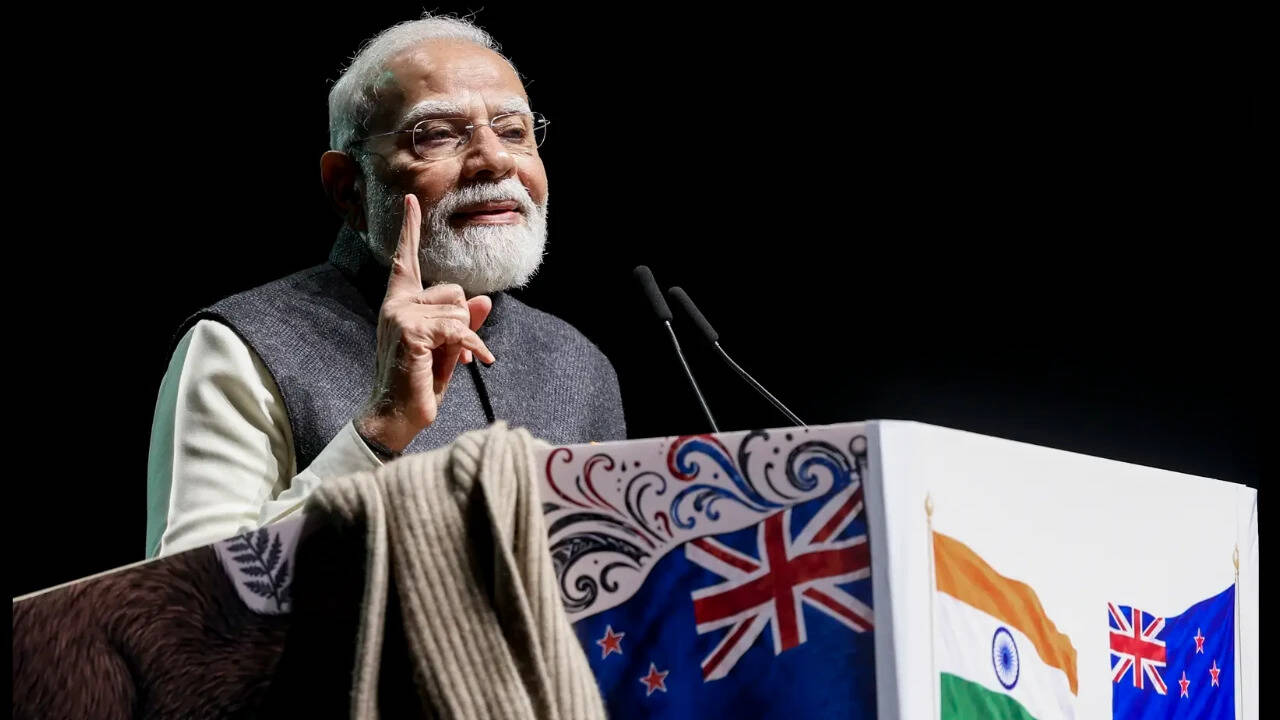
At a diaspora event in Auckland, Prime Minister Narendra Modi highlighted the FCRA clearance for the Golden Temple, a rope‑way project for Hemkund Sahib, and an annual commemoration of Guru Gobind Singh’s sons. The moves aim to bolster BJP’s appeal among Sikhs ahead of Punjab elections.
Key Takeaways
- FCRA clearance granted for the Golden Temple
- Rope‑way project for Hemkund Sahib underway
- Annual remembrance of Guru Gobind Singh’s sons approved
Prime Minister Narendra Modi used a gathering of the Indian diaspora in Auckland, New Zealand, to outline a series of initiatives targeted at the Sikh community. With New Zealand’s Prime Minister Christopher Luxon in attendance, Modi praised the contributions of Indian expatriates to their adopted homeland and expressed pride in the host government’s recognition of their role.
Golden Temple’s FCRA Clearance
For years, the management of the Golden Temple grappled with the complexities of the Foreign Contribution Regulation Act (FCRA), which controls foreign donations to Indian entities. The Modi administration has now expedited the clearance process, allowing the shrine to receive overseas funding for maintenance, charitable activities, and infrastructure upgrades. This decision signals a clear message to the global Sikh diaspora that their religious institutions are safeguarded and supported by the Indian state.
Rope‑Way for Hemkund Sahib
Hemkund Sahib, perched at an altitude of over 4,000 meters, is slated to be linked to the rest of the pilgrimage circuit via a modern rope‑way. The project promises safer access during harsh winter conditions, boosts pilgrimage tourism, and creates local employment opportunities. Experts anticipate that improved connectivity will also reduce the environmental strain caused by over‑crowded trekking routes.
Heritage Preservation and Annual Remembrance
Modi announced the institutionalisation of an annual commemoration for the martyrdom of Guru Gobind Singh’s sons, a move that embeds their sacrifice into the national consciousness. Additionally, he highlighted the transfer of centuries‑old relics—shoes worn by the last Sikh Guru and his wife—preserved by the family of Cabinet minister Hardeep Puri for three centuries, now displayed at Patna Sahib Gurudwara on expert advice.
Political Implications
For the Bharatiya Janata Party, winning over the Sikh electorate is a strategic priority as Punjab’s assembly polls loom. Historically, Punjab’s Sikh majority has been wary of the BJP’s Hindutva‑centric narrative, yet recent alignments with local leaders have nudged the party’s vote share upward. By coupling cultural‑religious outreach with concrete development projects, the government seeks to convert goodwill into electoral capital.
Collectively, these initiatives underscore a dual‑track approach: reinforcing Sikh religious heritage while simultaneously leveraging it for political gains. If executed effectively, they could reshape voter dynamics in Punjab and set a precedent for how identity‑based outreach is integrated into broader governance strategy.