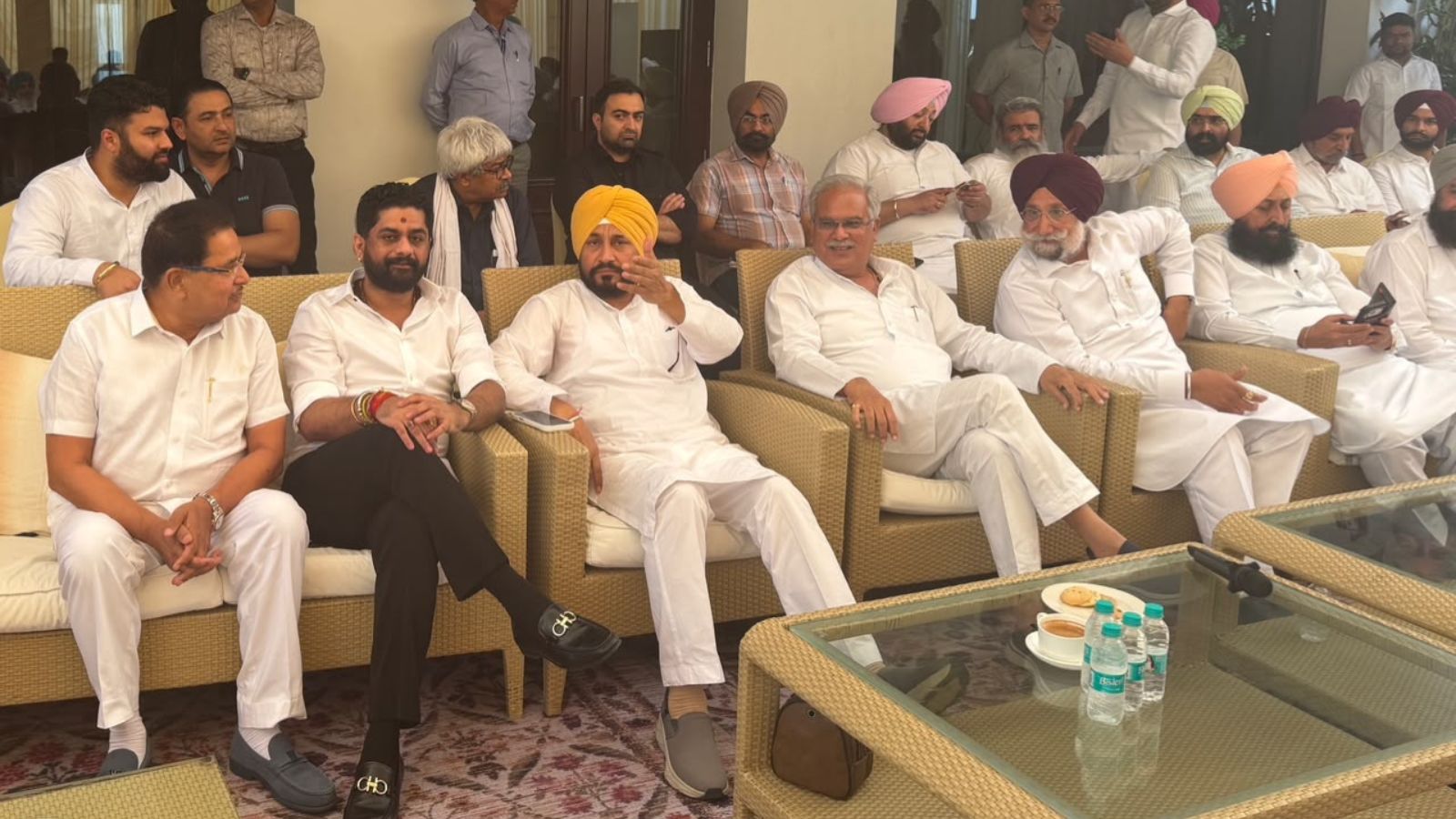
Amid a deepening leadership clash within the Punjab Congress, former chief minister Charanjit Singh Channi's faction convened with AICC general secretary Bhupesh Baghel. The meeting centred on the demand to remove state party president Amrinder Singh Raja Warring and its broader impact on the party’s future.
Key Takeaways (मुख्य बिंदु)
- Channi‑aligned leaders gathered at MLA Rana Gurjit’s residence to meet Bhupesh Baghel.
- Despite calls to oust Raja Warring, Baghel reaffirmed that high‑command appointments will not be altered.
- All senior Congress figures attended, raising hopes of a unified resolution.
The Punjab Congress has turned a private residence in Chandigarh – that of Rana Gurjit, MLA from Kapurthala – into a high‑stakes arena. Former chief minister Charanjit Singh Channi led his supporters to host a meeting with Bhupesh Baghel, the All‑India Congress Committee general secretary responsible for Punjab, marking a decisive moment in the party’s internal power struggle.
Background of the Crisis
For months, the Punjab Pradesh Congress Committee (PPCC) president Amrinder Singh Raja Warring has faced criticism from a faction that believes his leadership has stalled the party’s electoral resurgence. Channi’s camp, citing the 2022 assembly defeat, has repeatedly demanded Warring’s removal, arguing that a fresh face is essential for reclaiming the state.
What Transpired at the Meeting
On July 11, 2026, dozens of sitting and former MLAs, former chief minister’s grandson Gurkirat Singh Kotli, and MP Sukhjinder Singh Randhawa arrived at Gurjit’s house, where special arrangements were made. Channi told reporters that the agenda would be disclosed only after the discussions concluded, emphasizing discretion over speculation.
Baghel’s Firm Stance
Baghel, representing the national leadership, reiterated that decisions taken by the “high command” are final and will not be revisited. Consequently, Raja Warring was not invited, a move that heightened tensions but also underscored Baghel’s resolve to maintain central authority.
Potential Implications
If the meeting fails to produce a compromise, the Punjab Congress risks a bifurcation that could erode its vote‑base ahead of the next assembly polls. Conversely, a consensus could restore organisational cohesion and present a united front against rival parties. Political analysts caution that while Baghel’s hard‑line approach signals discipline, a pragmatic settlement may be essential to prevent long‑term fragmentation.