Three UN special rapporteurs have branded India’s Special Intensive Revision (SIR) of voter rolls as opaque and alleged exclusion of minorities. The Election Commission dismissed the allegations as unfounded, emphasizing the process’s transparency and constitutional compliance.
Key Takeaways (मुख्य बिंदु)
- UN rapporteurs label SIR process opaque
- Election Commission calls the allegations baseless
- Supreme Court upholds the legality of SIR
Three United Nations special rapporteurs have raised concerns about India’s Special Intensive Revision (SIR) of electoral rolls, describing the exercise as “opaque” and accusing it of targeting minority voters. Their criticism focuses on alleged AI‑driven opacity, insufficient time for voters to submit documentation, and a weak basis for name deletions.
Legal and Institutional Framework
SIR is framed as a constitutional exercise under India’s electoral statutes. Article 326 of the Constitution mandates inclusion of every citizen aged 18 or above, who is not legally disqualified, while removing “absent, shifted, dead, duplicate and foreign” entries. The operation is carried out by 12 lakh booth‑level officers, 4,123 electoral registration officers, nearly 800 district election officers and 36 chief electoral officers, all on deputation from state governments as per Section 13 of the Representation of People Act.
Supreme Court Endorsement
The Supreme Court recently upheld both the intent and the procedural integrity of SIR, reinforcing the Election Commission’s stance. The Court noted that ample opportunity is given to electors to challenge exclusions, and the final roll shows no systematic bias against any community.
Specific Allegations from the UN Report
The UN document highlights the impact in West Bengal, especially in Nandigram, where it claims 95 % of the deleted voters were Muslims, despite Muslims constituting only 25 % of the constituency’s electorate. It characterises these “targeted deletions” as serious violations of multiple human‑rights obligations.
Transparency Measures and Future Outlook
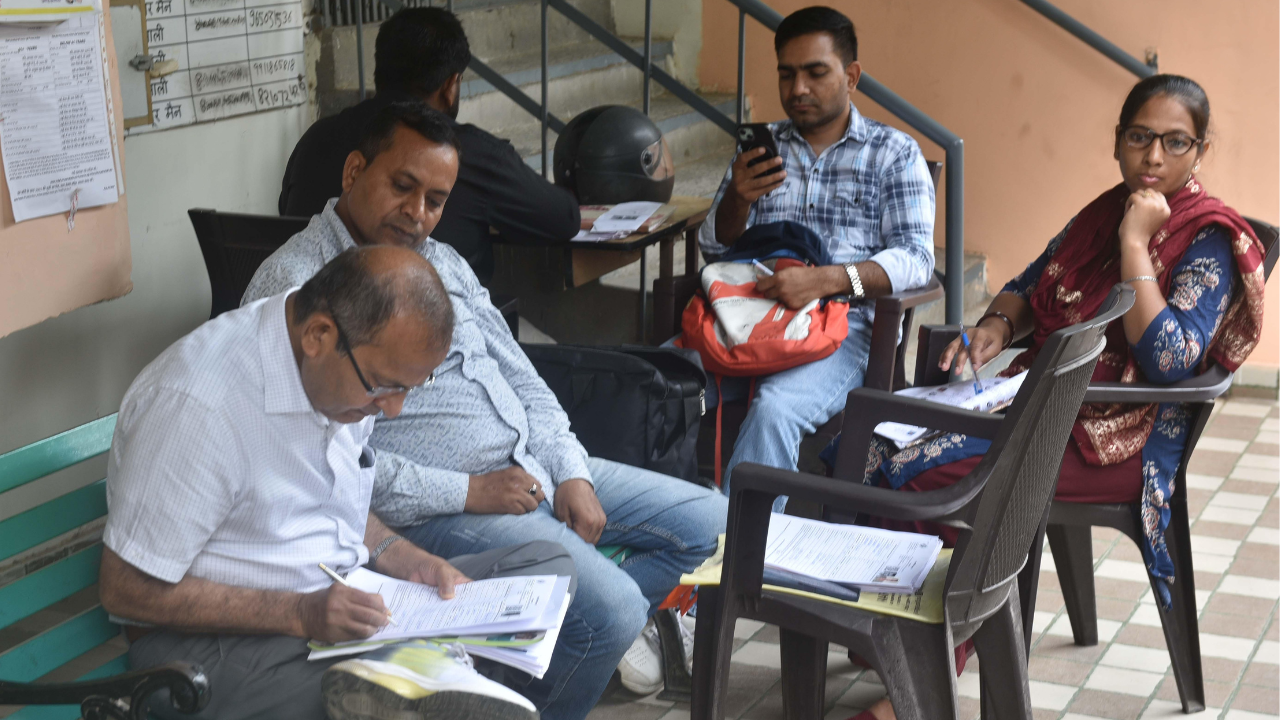
Election officials refute the AI claim, stating that verification is entirely field‑based, carried out by Block Level Officers (BLOs) and audited by booth‑level agents appointed by six national parties and 67 state parties. After each booth’s roll is published, any citizen may file objections, ensuring continuous updates. The process witnessed participation of roughly 95 crore electors and resulted in record‑high voter turnouts in several states, underscoring its acceptance and judicial validation.