A fresh report from the statistics ministry reveals that less than half of India's villages completed the mandatory crop enumeration on schedule, while outdated maps and untrained staff jeopardize the reliability of food‑security forecasts. These data shortcomings hamper policy makers' ability to make timely interventions.
मुख्य बिंदु (Key Takeaways)
- Crop enumeration (‘girdawari’) was timely in only 43% of sampled villages.
- 63% of village maps are over 20 years old, leading to land‑boundary errors.
- Untrained personnel conducted up to 40% of crop‑cutting experiments in key states.
New Delhi – With a deficit monsoon raising concerns over kharif sowing, the Ministry of Statistics has exposed serious deficiencies in India’s agricultural data‑collection system. The newly released *Review of Crop Statistics System* shows that the foundational “girdawari” – official crop enumeration carried out by village revenue officers – was completed on schedule in fewer than half of the country’s villages, undermining the data pipeline that feeds the Commission for Agriculture Costs and Prices (CACP).
Background and Current Status
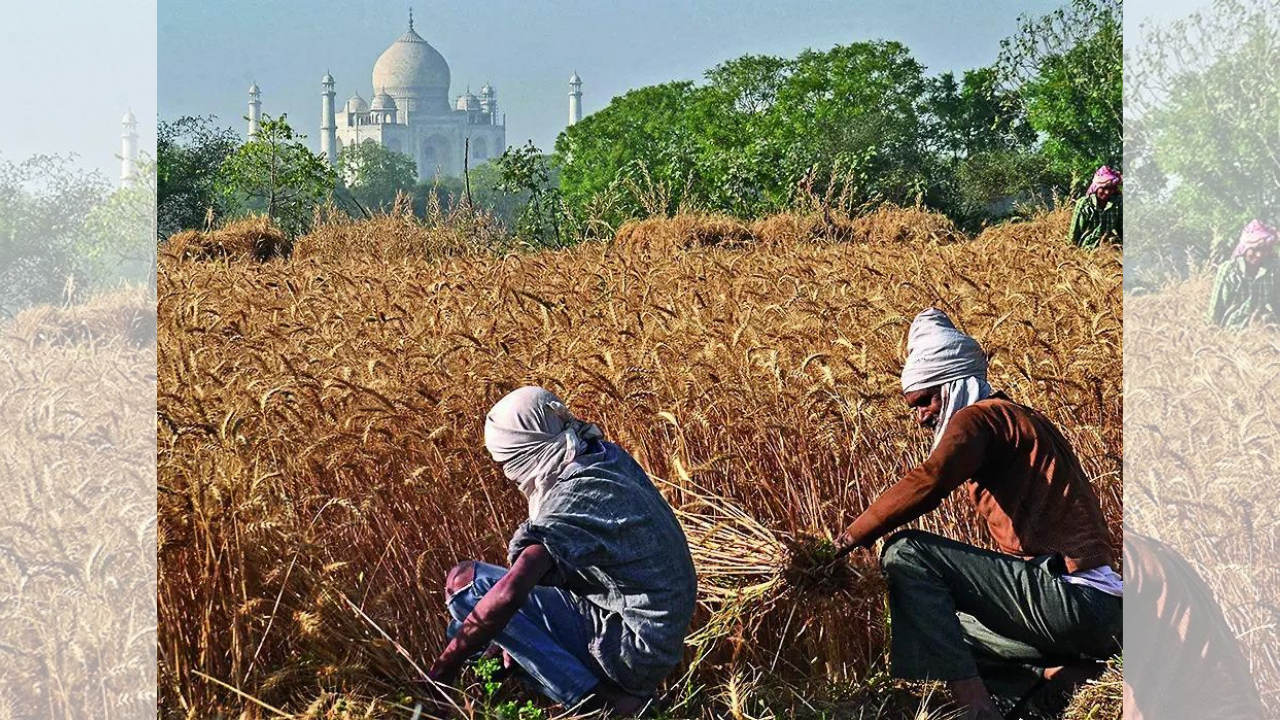
‘Girdawari’ is the first line of defense for measuring crop acreage and production. In the 2023‑24 season, the report flagged “alarmingly high” non‑completion rates across Andhra Pradesh, Assam, Bihar, Gujarat, Haryana, Jharkhand, Karnataka, Maharashtra, Punjab, Telangana, Uttar Pradesh and West Bengal. Consequently, only 43% of sample villages reported on time during early kharif, 46% during late kharif, 48% in the rabi season, and a mere 33% in the summer period.
Outdated Village Maps
Equally troubling, 63% of village maps used for tracing altered plots are more than two decades old. West Bengal and Puducherry reported 100% of villages with maps older than 20 years, while Odisha (99%), Uttarakhand (98%) and Assam (94%) showed similar figures. Stale maps fail to capture rapid urbanisation, infrastructure projects and land‑use changes, creating identification errors for survey numbers and hampering accurate acreage reporting.
Untrained Personnel in Crop‑Cutting Experiments
Crop‑cutting experiments (CCEs) are the scientific backbone for estimating average yields and final food output. The ministry’s analysis estimated roughly 1.2 million CCEs in 2023‑24, yet a substantial share were conducted by staff lacking proper training. In Jharkhand and Uttar Pradesh, 40% of CCEs were performed by untrained personnel, and more than 10% of experiments in Madhya Pradesh, Maharashtra and West Bengal were handled by junior staff.
Implications for Policy and Food Security
These gaps directly affect the government’s ability to make swift decisions on export bans, import duty adjustments, or emergency buffer stock releases – tools essential for curbing inflation and safeguarding food security. Experts warn that without immediate corrective measures—such as digitising land‑record systems, regular map updates, and deploying trained field crews—India could face volatile price spikes and supply shocks in the next harvest cycle.