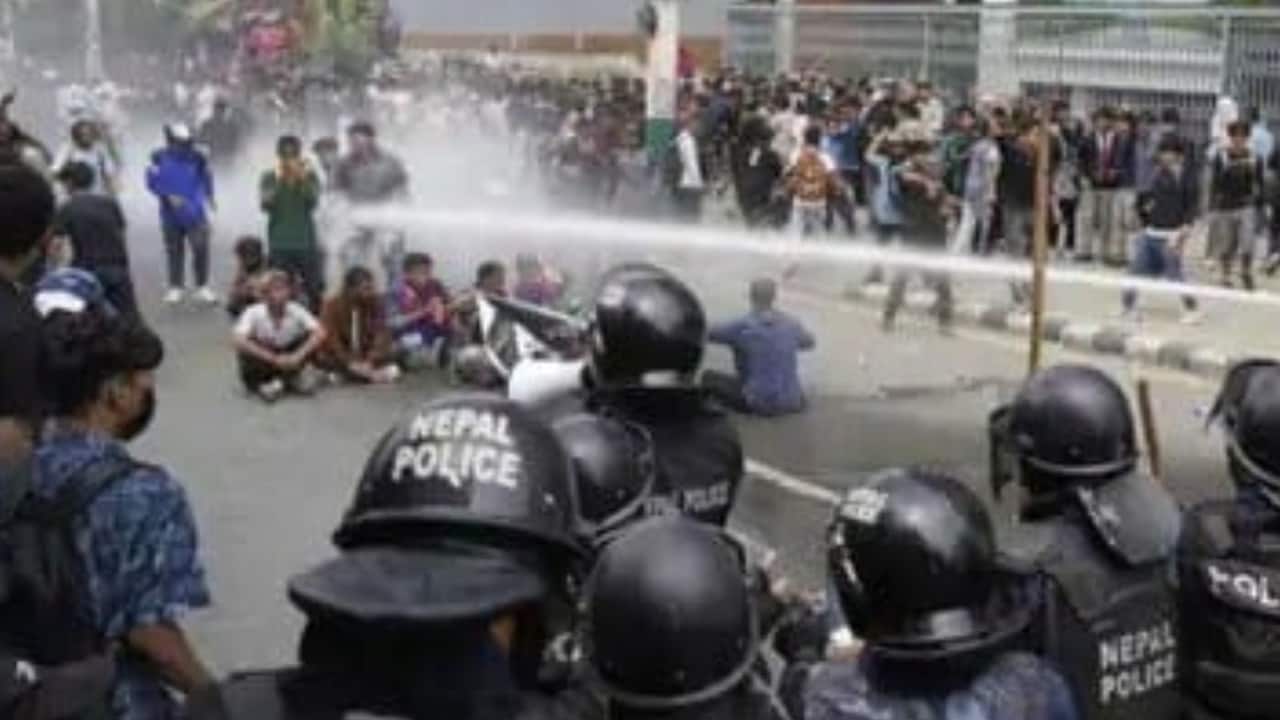
The Joint National Squatters Front clashed with police in Kathmandu, marking the first major challenge to Prime Minister Balen Shah’s youth‑backed administration. Self‑immolation incidents have heightened tensions, turning a political protest into a humanitarian crisis.
Key Takeaways
- Joint National Squatters Front confronts police in Kathmandu, leading to citywide disruptions.
- Prime Minister Balen Shah’s government faces unprecedented Gen Z‑led opposition.
- Self‑immolation attempts have intensified the urgency of the protest movement.
In the heart of Kathmandu, the Joint National Squatters Front (JNSF) staged a fierce showdown with police forces, shutting down several major thoroughfares. The protest, driven largely by Gen Z activists, echoes the youth‑led uprising that toppled former Prime Minister KP Sharma Oli a year ago.
Background and Grievances
Prime Minister Balen Shah rose to power on a platform that championed youth participation, yet his administration now confronts its first substantial test. While Shah endorsed the previous Gen Z movement that ousted the Oli regime, the same demographic is now demanding deeper land reforms, job creation, and transparent governance.
Self‑Immolation Incidents and Their Impact
During the demonstrations, multiple self‑immolation attempts were reported, drawing both domestic alarm and international human‑rights scrutiny. Analysts argue that these tragic acts reflect profound disillusionment rather than isolated incidents, underscoring the urgency for political dialogue.
Government Response and Potential Fallout
Shah’s cabinet deployed additional security personnel and called for talks, but opposition groups deemed the measures insufficient. Continued unrest could jeopardize Nepal’s political stability, foreign investment climate, and regional security dynamics.
Looking Ahead
Experts warn that the Gen Z surge is a litmus test for Nepal’s democratic resilience. To defuse the crisis, the government must prioritize swift policy reforms, generate meaningful employment, and sustain transparent communication. Failure to do so may entrench a cycle of protest and instability.