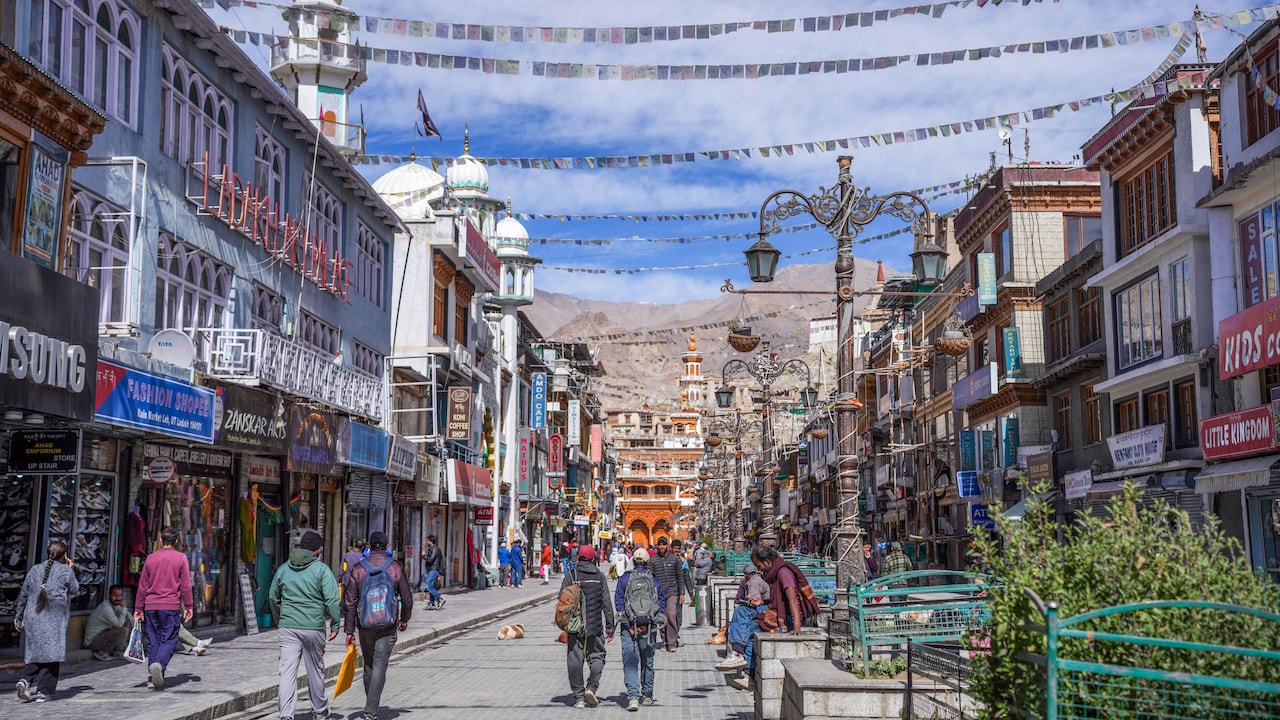
Since becoming a Union Territory in October 2019, Ladakh has expanded its tehsil count from 15 to 32. The move aims to make five newly created districts fully functional and bring essential government services closer to remote, border‑area residents.
मुख्य बिंदु (Key Takeaways)
- Ladakh now has 32 tehsils, with 17 newly added.
- The new tehsils activate five recently formed districts.
- Travel distance for citizens to access government offices will shrink by up to 300 km.
When Ladakh was elevated to Union Territory status in October 2019, it inherited a fragmented administrative map—only 15 tehsils spread across a rugged, high‑altitude landscape. Residents of many villages faced journeys exceeding 300 km to reach the nearest district headquarters for basic services such as land registration, health records, and school admissions. The logistical nightmare not only delayed routine paperwork but also hampered emergency response and disaster relief.
New Tehsils: Numbers and Names
The Ladakh administration recently announced the creation of 17 additional tehsils, raising the total to 32. These additions are strategically aligned with the five newly constituted districts—Leh, Kargil, Nubra, Zanskar, and Shaksgam—ensuring each district now possesses a full complement of sub‑district units. Each tehsil will host a Sub‑Divisional Magistrate office, a police outpost, and a suite of citizen‑service centers, dramatically shortening the distance citizens must travel for routine government interactions.
Strategic Rationale Behind the Reform
Beyond the obvious convenience, the reform addresses Ladakh’s unique security and development challenges. Proximity to the India‑China border makes rapid administrative response crucial for both civil governance and national security. Historically, the sparse distribution of tehsils delayed critical decision‑making, often leaving border communities isolated during crises. By decentralising authority, the Union Territory hopes to bolster both civilian welfare and strategic readiness.
Implications for Socio‑Economic Growth
Analysts predict that the reduced travel burden will translate into higher utilization of health facilities, increased school enrollment, and a surge in small‑business registrations. Easier access to land records and permits could stimulate tourism‑related enterprises, a sector the government has earmarked for growth. However, the effectiveness of this policy hinges on parallel investments in road infrastructure, digital connectivity, and skilled personnel to staff the new offices.
Challenges Ahead
The mountainous terrain, seasonal weather extremes, and limited construction capacity pose significant hurdles. Moreover, attracting qualified administrators to remote postings remains a chronic issue across India’s frontier regions. Continuous funding and a focused capacity‑building program will be essential to convert the structural change into tangible benefits for Ladakh’s residents.
Conclusion
By adding 17 tehsils, Ladakh is reshaping its governance model to be more localized, responsive, and aligned with its strategic imperatives. If backed by robust infrastructure and human resources, the reform could become a benchmark for other high‑altitude, sparsely populated regions seeking to bridge the service‑delivery gap.