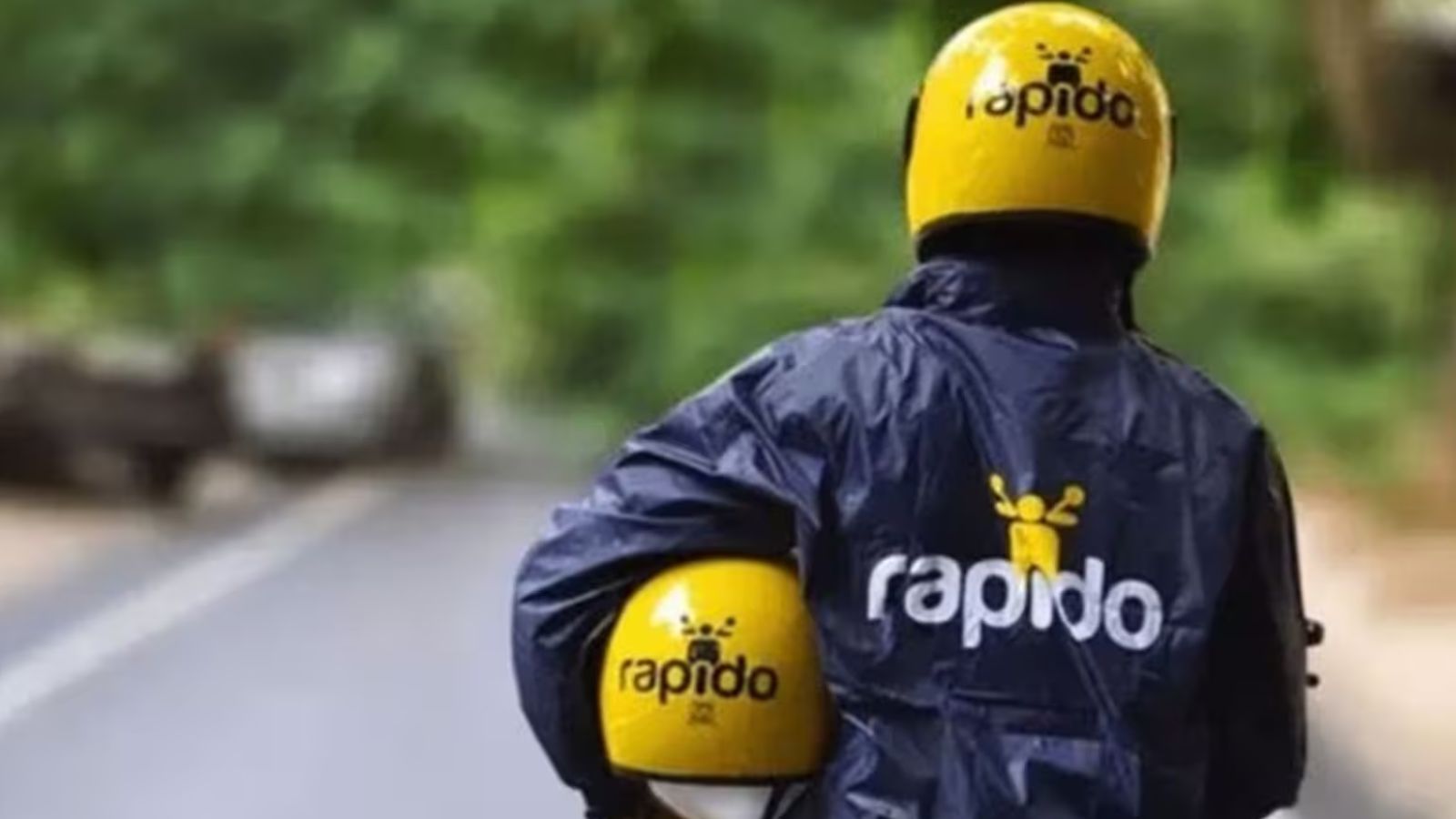
The Maharashtra government will start issuing permits for app‑based bike taxis from August 1, prompting transport unions in Pune to threaten statewide protests while commuters applaud the affordable, fast alternative. New rules require a Maharashtra domicile certificate and other eligibility criteria before drivers can operate through registered aggregators.
Key Takeaways
- August 1 marks the launch of a new bike‑taxi permit regime in Maharashtra.
- Pune transport unions have announced possible state‑wide protests against the decision.
- Commuters see bike taxis as a cheap, quick and eco‑friendly option, but raise safety concerns.
State Transport Minister Pratap Sarnaik told the Maharashtra Legislative Assembly on Tuesday that bike‑taxi drivers must possess a Maharashtra domicile certificate and satisfy additional prescribed eligibility conditions before they can operate via registered aggregators. The announcement, made on July 7, paves the way for permits to be issued starting August 1.
Policy Reversal
Earlier, Minister Sarnaik had pledged strict action against unregulated bike‑taxi services, including filing FIRs and seizing vehicles. The latest stance represents a sharp pivot, opening the market to app‑driven operators under a formal regulatory framework.
Transport Unions Oppose the Move
Pune’s transport unions have condemned the decision as a breach of earlier promises. Dr. Keshav Kshirsagar, president of the Maharashtra Kamgar Sabha, said, “The Transport Minister previously took a firm stand, yet by announcing permission for bike taxis in the Assembly, he has contradicted his own stance.” Similarly, Bapu Bhave, head of the Vidyarthi Vahatuk Sanghatana, warned that private‑vehicle bike taxis will erode the already strained livelihood of auto‑rickshaw drivers, who currently operate under a separate commercial licensing regime.
Commuters Welcome the Initiative
Local resident Madhuri Netake from Karve Nagar believes bike taxis can fill gaps that even the metro has not fully addressed. “The metro reduced travel time between major hubs, but cabs, autos and buses remain time‑consuming. Bike taxis can weave through heavy traffic and narrow lanes, making them faster for short trips. Electric bikes would also curb rising air‑pollution,” she said.
Another commuter, Akshay Killedar of Narayan Peth, applauded the decision but highlighted safety concerns. “I have seen reckless riding by bike riders in Delhi, leading to accidents, and there have been reports of women being harassed by bike riders in Bengaluru. Strict vigilance is essential after rollout, especially in adverse weather like heavy rain.”
Looking Ahead
If the regulatory framework is enforced effectively, bike taxis could alleviate Pune’s chronic traffic congestion and contribute to greener urban mobility. However, the potential for union‑led protests and the need for robust safety monitoring will determine how smoothly the service integrates into the city’s transport ecosystem.