The National Conference announced a high‑profile march in Delhi on July 20 to press for the restoration of Jammu & Kashmir statehood. Abdullah warned that two years of fruitless talks have left the party no choice but to take to the streets.
Key Takeaways
- National Conference will stage a massive march in Delhi on July 20.
- Jammu & Kashmir statehood is framed as a constitutional right, not a favor.
- The move follows two years of stalled talks with the Centre.
After the 2019 abrogation of Article 370, Jammu & Kashmir was reduced to a Union Territory, sparking a prolonged demand for the restoration of full statehood. On July 12, former chief minister Omar Abdullah announced that the party will converge on Delhi on July 20, turning the demand into a street‑level protest that could force the central government’s hand.
Historical Context
The removal of Jammu & Kashmir’s special status was justified by the central government as a step toward integration, yet the Supreme Court later instructed that statehood should be reinstated “as soon as possible” after elections. Multiple political parties, including the National Conference, have consistently described statehood as a constitutional entitlement, while New Delhi repeatedly promises delivery at an “appropriate time.”
Rally Highlights
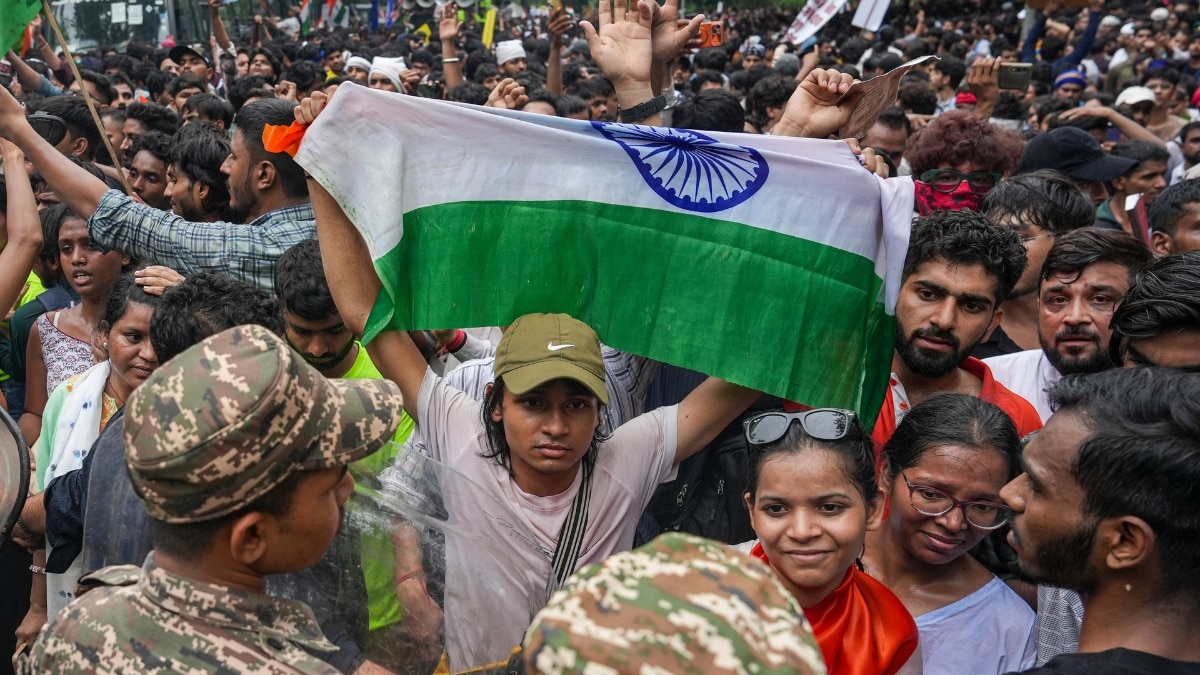
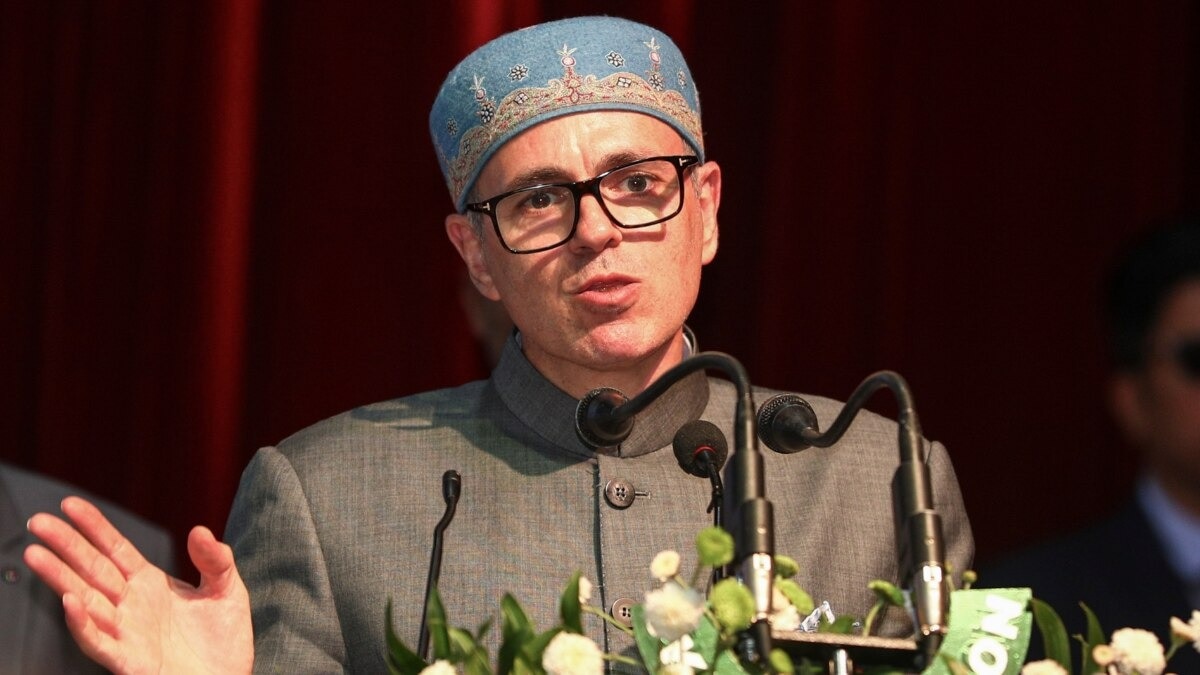
Speaking at Maharaja Hari Singh Park in Jammu – a BJP stronghold – Abdullah declared, “Enough is enough! No more waiting.” He criticised the Centre’s vague timelines and asked rhetorically, “If decisions about our own land cannot be taken in our own capital, where else can they be made?” The rally featured banners reading “Delhi Chalo! We Want Our Statehood” and slogans such as “Our State, Our Pride.”
Political Stakes
During the 2024 assembly election, most parties, including the BJP, promised restoration of statehood to win votes. Abdullah challenged the BJP to produce a single MLA who opposed the demand, underscoring that the issue transcends party lines. He warned that continued delays could fuel further unrest and that the upcoming march may become a litmus test for the Centre’s commitment.
Potential Impact
If the Delhi protest garners nationwide attention, it could compel the central government to outline a concrete timeline, possibly accelerating the delimitation‑election‑statehood sequence. Conversely, a heavy‑handed response could inflame tensions in the already volatile region. Abdullah’s emphasis on “knocking on the doors of our own capital” signals a willingness to keep the pressure on through peaceful, democratic means.