A man in Uttar Pradesh was sentenced to three years in prison and fined ₹3,000 for securing a police job with a fake affidavit, 27 years after the fraud occurred. The verdict concludes a protracted legal battle over recruitment misconduct.
Key Takeaways (मुख्य बिंदु)
- Bhograj sentenced to three years imprisonment after 27 years.
- Fraud involved a forged affidavit to obtain a Provincial Armed Constabulary (PAC) post.
- Fine of ₹3,000 imposed; non‑payment triggers additional jail time.
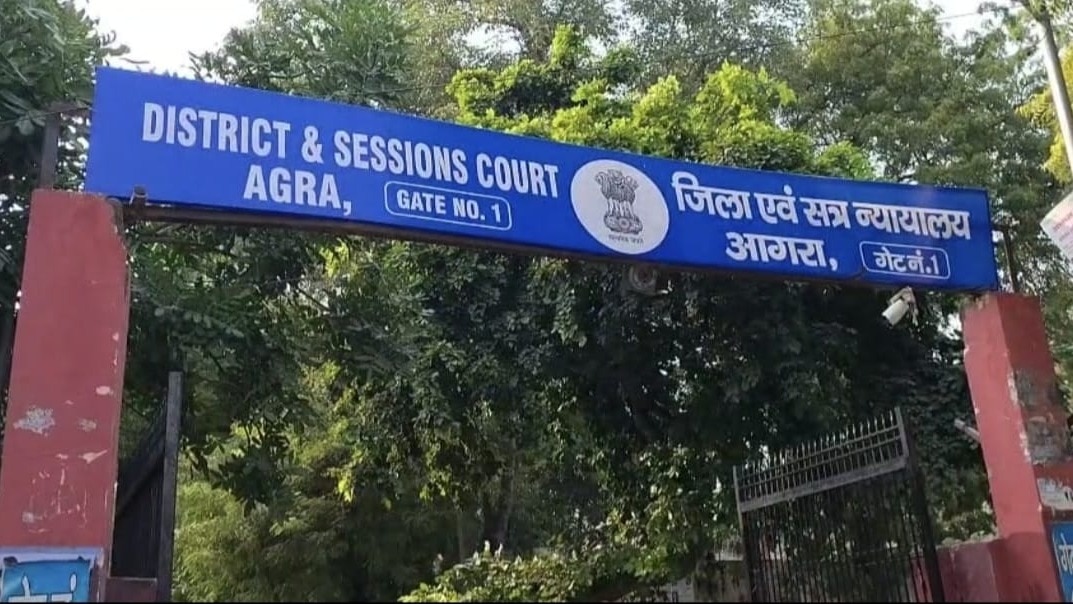
In a landmark judgment delivered by Special Chief Judicial Magistrate Shivanand Gupta in Agra, Uttar Pradesh, a 27‑year‑old recruitment fraud case finally reached its conclusion. The court convicted Bhograj, a resident of Sithrapur village in Hathras district, sentencing him to three years behind bars and a monetary penalty of ₹3,000 for using a falsified affidavit to secure a constable position in the Provincial Armed Constabulary (PAC).
Background and Origins of the Case
The late 1990s witnessed a spate of document‑related irregularities across state‑level police recruitments in India. At that time, verification mechanisms were rudimentary, allowing a few aspirants to manipulate paperwork. In 1999, Bhograj submitted a forged affidavit during the PAC constable recruitment, successfully clearing the preliminary selection. Subsequent verification uncovered discrepancies, prompting a police investigation.
Legal Journey and Court Proceedings
The matter was officially registered at Agra’s Tajganj police station on January 1, 1999, following a complaint by clerk Pradeep Kumar Verma. Charges of cheating and use of forged documents were framed, and the prosecution lodged its charge sheet on May 31, 1999. After more than two and a half decades of procedural delays and multiple transfers, the case arrived before Special Chief Judicial Magistrate Shivanand Gupta.
During the trial, the prosecution presented witness testimonies, documentary evidence, and a side‑by‑side comparison of the genuine and forged affidavits. The defense struggled to refute the material evidence, leading the magistrate to uphold the conviction.
Sentencing and Broader Implications
Beyond the three‑year custodial sentence, the court imposed a fine of ₹3,000, with a stipulation that failure to pay will result in further imprisonment. Legal experts argue that the judgment underscores the urgent need for robust document verification and transparent recruitment protocols in public services. Swift judicial response to such frauds can act as a deterrent, preserving the integrity of law‑enforcement agencies.
Conclusion
This decision, arriving after a 27‑year legal odyssey, highlights the perseverance of the Indian judiciary in addressing corruption within governmental hiring processes. It serves as a cautionary tale for aspirants and administrators alike: integrity cannot be compromised, and eventually, justice prevails.