A long‑standing land dispute over a banana patch in Bihar’s Vaishali district led to the fatal shooting of an Indian Army jawan and his 52‑year‑old father. Police say the accused are relatives of the victims and the investigation is ongoing.
Key Takeaways
- Old dispute over a banana patch sparked a deadly land feud
- Indian Army soldier and his 52‑year‑old father killed
- Accused are relatives of the victims; investigation continues
In the village of Rajaso, Vaishali district, Bihar, a tragic incident unfolded on Sunday when Indian Army soldier Jitendra Kumar (32) and his 52‑year‑old father Munarik Rai were shot dead. The killings were linked to a protracted land dispute that resurfaced over the cutting of banana plants on a contested plot.
Background of the Incident
Kumar, stationed in Delhi, had returned to his native village only days earlier after a relative died from electrocution. His arrival reignited an old disagreement concerning a piece of agricultural land and a village pathway. Neighbours reported that Kumar had an argument with Jagdish Rai on Saturday evening. Although police intervened and asked both parties to disperse, the tension escalated.
The Fatal Confrontation
On Sunday morning, Jagdish returned to the scene and opened fire on Munarik and Kumar. Munarik died instantly, while Kumar was rushed to Sadar Hospital with critical injuries and later succumbed to his wounds. The bodies have been sent for post‑mortem examination, and police are pursuing the suspects, who are believed to be family members of the victims.
Police Response and Ongoing Investigation
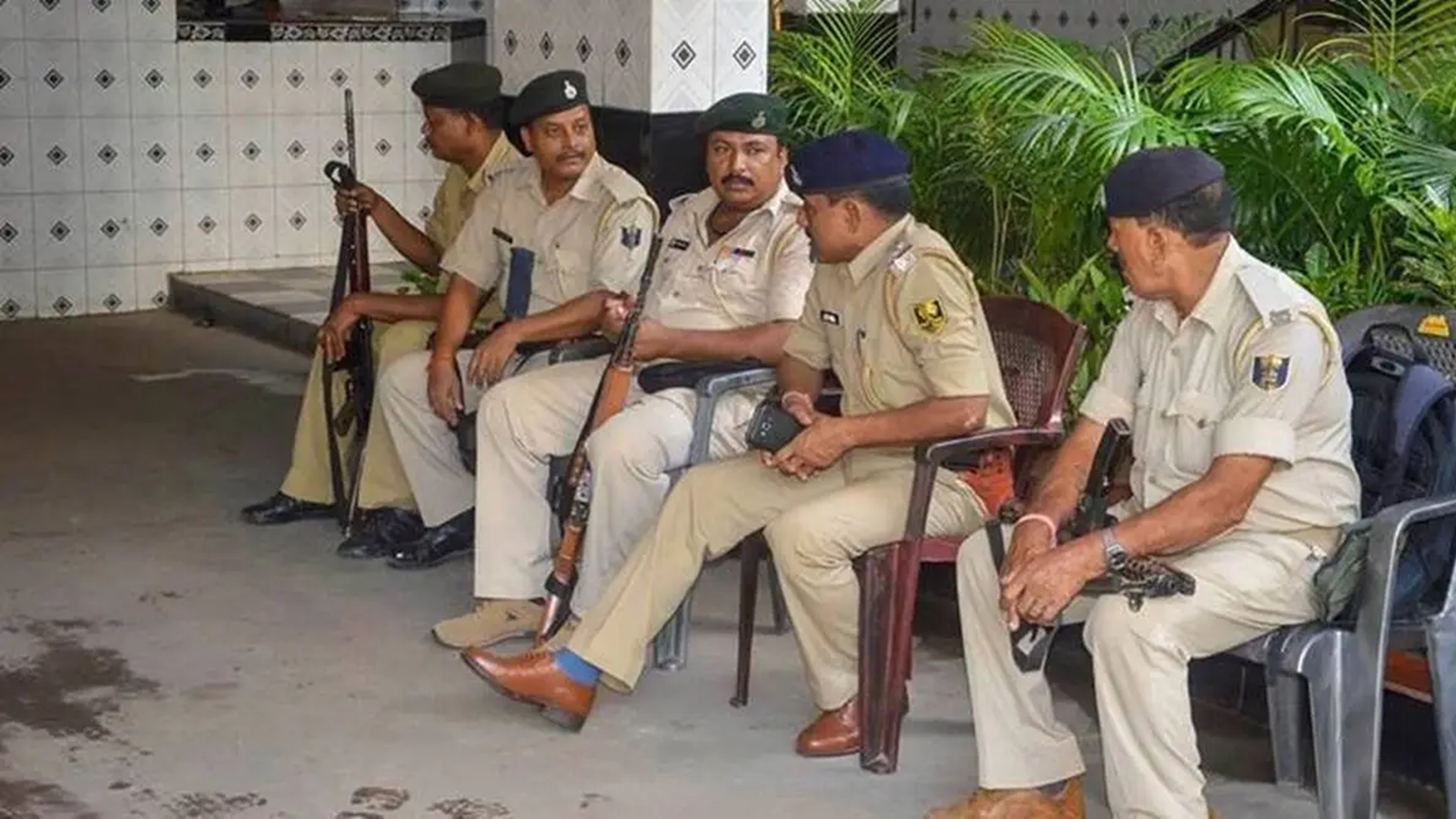
Vaishali Superintendent of Police Shubhank Mishra confirmed that the accused have been identified and are related to the deceased. Multiple raids have been conducted, and efforts are underway to locate and arrest those involved. The FIR registration is in progress as authorities piece together the sequence of events.
Wider Implications of Rural Land Disputes
Land conflicts over small agricultural plots, such as banana orchards, are a recurring source of tension in Bihar. The lack of clear documentation and the intertwining of familial ties often turn what could be a civil dispute into a violent confrontation. Experts suggest that stronger mediation mechanisms—through local panchayats or civil courts—could help prevent such escalations.
National Relevance
This case underscores the urgent need for stricter enforcement of land‑related laws and heightened community‑level conflict resolution. It also highlights the vulnerability of serving soldiers who, despite their national service, can become entangled in local feuds. Policymakers must address these systemic issues to curb future tragedies.