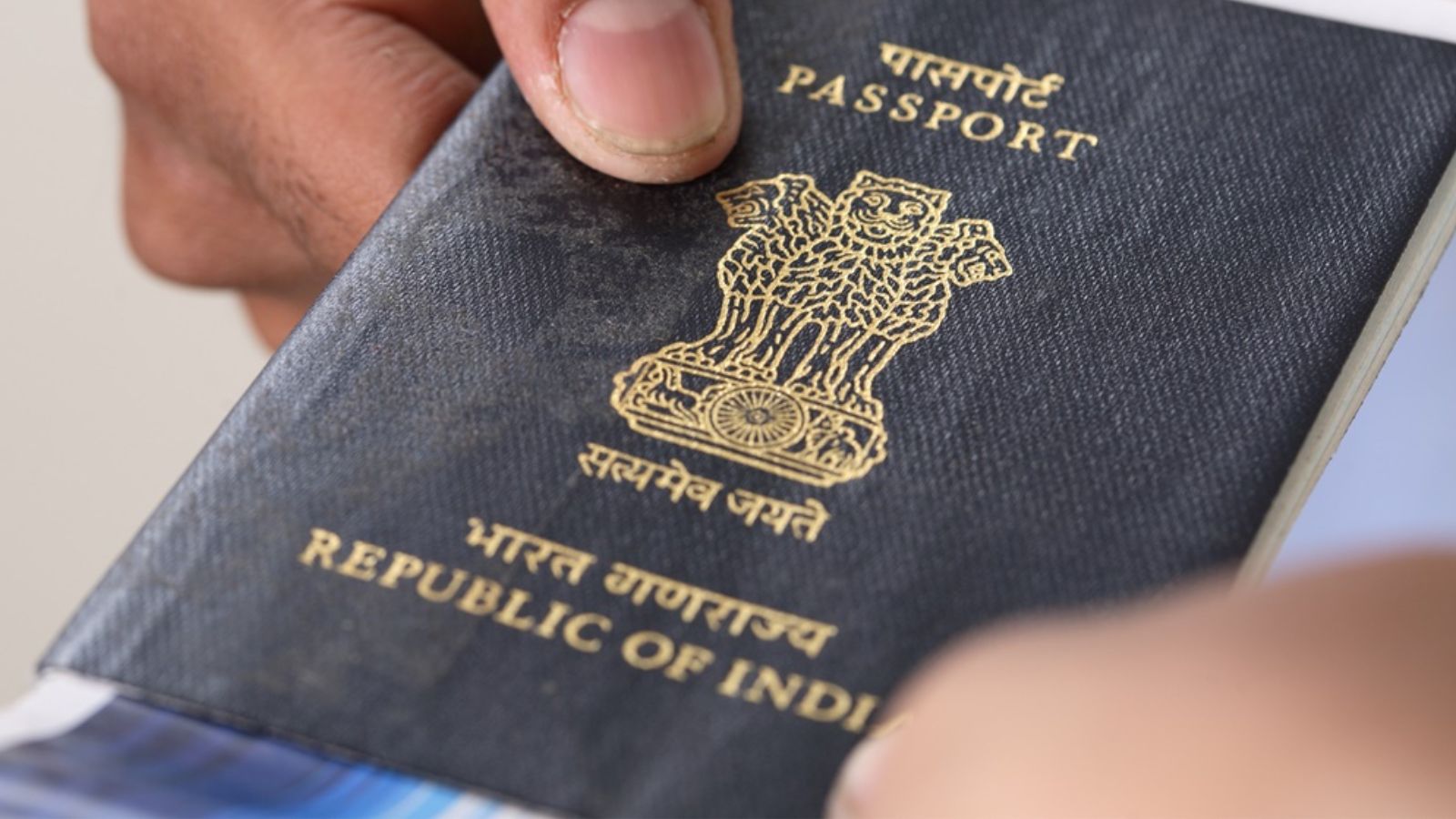
Deletion of names from voter lists is now affecting passport renewals, raising serious questions about citizens' fundamental rights. The overlap of statutory powers threatens India's constitutional balance and demands urgent clarification.
Key Takeaways
- Removal from electoral rolls can impede passport renewal.
- Cross‑jurisdictional overreach creates constitutional risk.
- Clear legislative boundaries and judicial scrutiny are urgently needed.
When India instituted periodic electoral roll revisions, the intention was singular: to confirm who is eligible to vote. Yet the recent Special Intensive Revision (SIR) has erased over 58 million names across twelve states and Union Territories, leaving many citizens not only disenfranchised but also stalled in obtaining or renewing passports.
Historical Context
India’s Election Commission and the Passport Authority operate under distinct statutes – the Representation of the People Act and the Passports Act respectively. This statutory segregation is a deliberate constitutional safeguard designed to prevent any single body from monopolising power and to protect individual liberty.
The Current Controversy
Former Telegraph editor R Rajagopal found his name removed from West Bengal’s electoral roll, which stripped him of his vote and delayed his passport renewal. The episode sparked a broader debate: can an administrative decision in one legal domain (electoral rolls) automatically become a decisive factor in another (passport issuance) without explicit legislative provision?
Constitutional Implications
If the Election Commission’s determinations are adopted by the Passport Authority without independent verification, the ripple effect could extend to professional licences, scholarships, government employment, and even the right to file a writ under Article 32 of the Constitution. Such “cross‑over” consequences risk eroding the fundamental rights guaranteed under Articles 19, 21 and others.
The rule of law hinges on the autonomy of each statutory body; when these boundaries blur, judicial oversight becomes the only bulwark against executive overreach.
Path Forward
Legislators must articulate precise guidelines that prevent one authority’s decisions from dictating outcomes in unrelated statutory regimes. Simultaneously, courts must remain vigilant, offering timely remedies to citizens whose rights are inadvertently curtailed by procedural spill‑over.