The Karnataka Pradesh Congress Committee has urged the Election Commission of India to set up fully staffed voter facilitation centres at every polling station, extend the form‑distribution deadline, and ensure door‑to‑door outreach reaches every eligible household during the Special Intensive Revision of electoral rolls.
Key Takeaways
- Significant shortfall in voter facilitation centres during Karnataka's SIR exercise
- Congress demands deadline extension for form submission
- Special assistance needed for seniors, persons with disabilities and rural voters
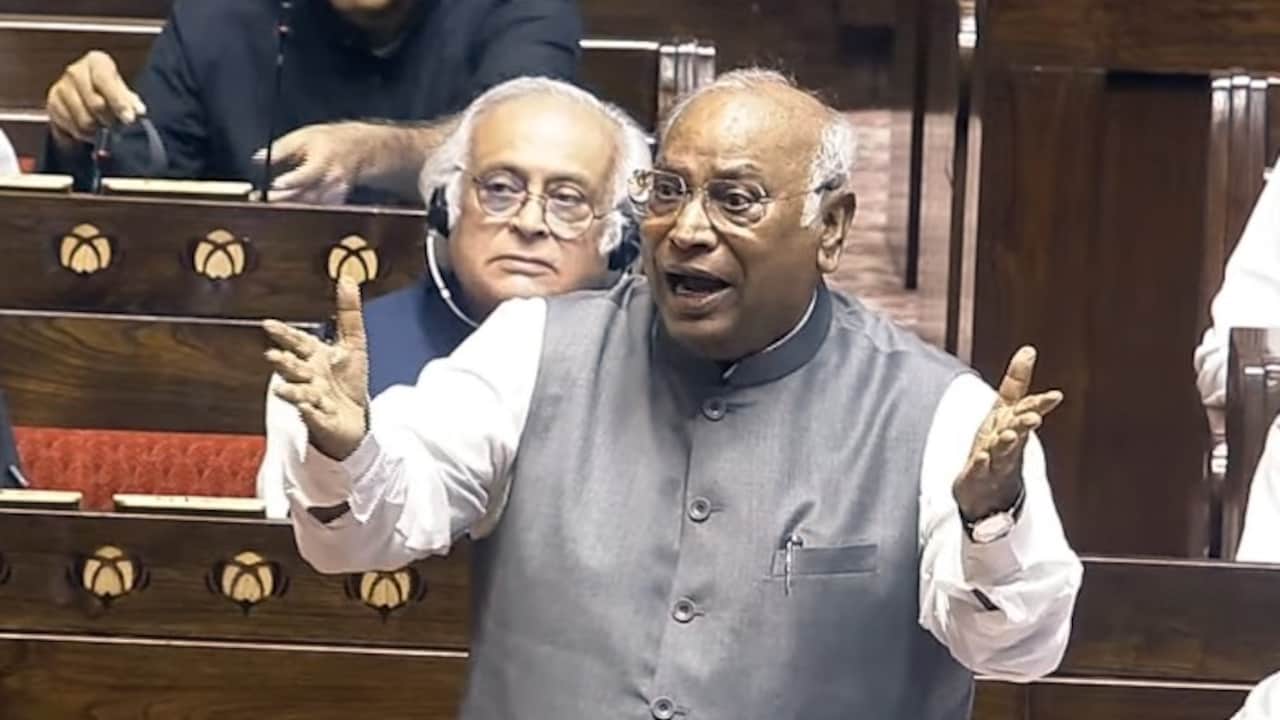
Bengaluru, July 13, 2026 – The Karnataka Pradesh Congress Committee (KPCC) has formally appealed to the Election Commission of India (ECI) to reinforce voter facilitation mechanisms for the ongoing Special Intensive Revision (SIR) of electoral rolls. In a representation submitted by KPCC Media and Communication Department Chairman and MLC Ramesh Babu to the Chief Election Commissioner, the party alleged that the Chief Electoral Officer’s office in Karnataka failed to establish sufficient facilitation centres, jeopardising the ability of genuine electors to obtain, complete, and submit enumeration forms.
Background and Current Status
The SIR exercise, launched on June 30, tasks Booth Level Officers (BLOs) with house‑to‑house visits to distribute enumeration forms. Mid‑way through the operation, nearly half of the eligible households remain without forms, raising concerns that administrative lapses—not voter negligence—are the primary barrier to full coverage.
Congress’s Core Demands
KPCC has outlined a four‑point agenda for the ECI:
- Mandate the Chief Electoral Officer to establish a facilitation centre in every polling‑station area, fully staffed with trained personnel.
- Continue door‑to‑door form distribution until every eligible household receives a form.
- Extend the deadline for form submission until complete coverage is achieved.
- Introduce a state‑level monitoring framework, district grievance redressal cells, and daily publication of district‑wise distribution and collection statistics.
Additional emphasis was placed on providing dedicated assistance for senior citizens, persons with disabilities, and voters in remote rural locations.
Potential Impact and Future Outlook
If the outlined gaps persist, the exclusion of legitimate voters could skew the upcoming Karnataka assembly elections, undermining both the perceived fairness and the actual outcome. While the issue is most acute in Karnataka, similar challenges have emerged across several states undertaking SIR, making this a national concern for the ECI.
Expert Opinion
Political science professor Dr. Ajay Singh notes, “A deficiency in voter facilitation centres not only risks disenfranchising eligible citizens but also erodes confidence in the electoral process. The Commission must invest in both technology and human resources to ensure every voter can exercise their franchise without undue hardship.”