Chief Minister Rekha Gupta has written to Union Housing Minister Manohar Lal requesting ₹100 crore to accelerate the PM‑Uday scheme. The funds will fund a tech‑driven land survey, district‑level cells, and a public‑awareness drive.
Key Takeaways
- Delhi government asks the Centre for a ₹100 crore grant to speed up regularisation of unauthorised colonies under PM‑Uday.
- The money will be split between a technology‑based survey (DRISHTI), district‑level PM‑Uday cells, and a public‑outreach campaign.
- New rules will regularise 1,511 colonies on an “as‑is, where‑is” basis, eliminating the need for approved layout plans.
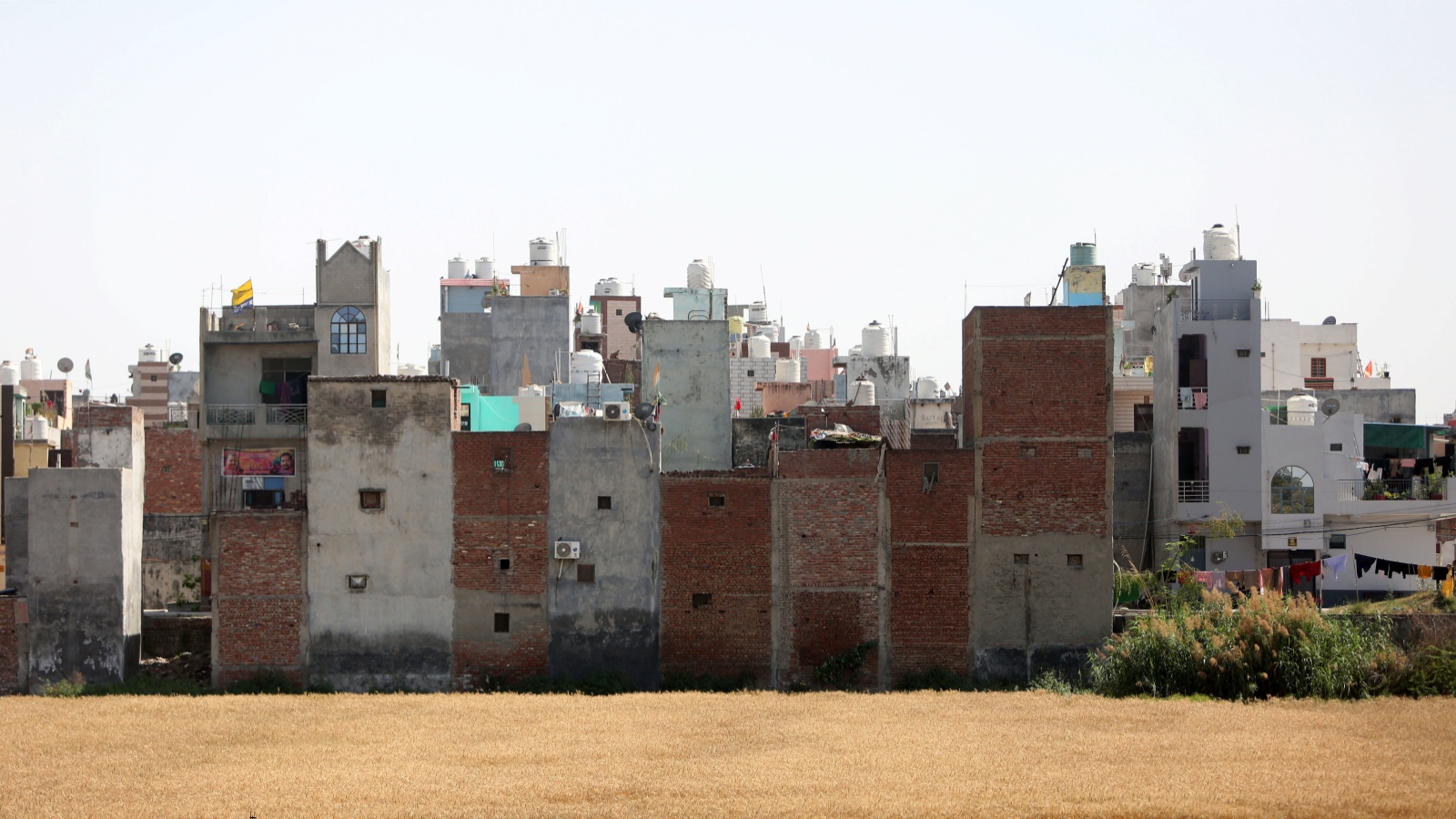
New Delhi – Chief Minister Rekha Gupta has formally appealed to Union Housing and Urban Affairs Minister Manohar Lal for a ₹100 crore financial package to fast‑track the implementation of the PM‑Uday scheme, which aims to confer ownership rights to residents of unauthorised colonies in the capital. The request comes after a sluggish uptake of applications, prompting the state to seek central assistance to meet its ambitious timelines.
Policy Background and Recent Changes
In April 2026, the central government announced a simplified “as‑is, where‑is” procedure for the regularisation of 1,511 unauthorised colonies, removing the prerequisite of an approved layout plan. Under the new framework, all plots and structures within these colonies will be treated as residential, thereby streamlining the issuance of conveyance deeds and reducing legal ambiguities.
Break‑down of the Requested Funds
The Chief Minister’s office outlined three core components for the ₹100 crore package:
- DRISHTI land‑survey and mapping system – ₹65 crore, to create a digital, technology‑driven cadastral database.
- District‑level PM‑Uday cells – ₹25 crore, to set up dedicated cells in all 13 districts, each led by an Additional District Magistrate, with a target of issuing property documents within 45 days.
- Public‑awareness outreach – ₹10 crore, covering workshops with Resident Welfare Associations (RWAs), help‑desks, and awareness camps across the city.
Earlier Attempts and Persistent Hurdles
The scheme’s predecessor, launched ahead of the 2020 Delhi elections, targeted 1,731 colonies but suffered from low participation. At that time, the Delhi Development Authority (DDA) acted as the nodal agency, creating coordination challenges with the AAP‑led Delhi government. By March 31, 2026, only about 40,000 conveyance deeds and authorisation slips had been issued, and many residents still struggled to obtain building‑plan approvals due to the absence of layout plans—a requirement that RWAs were expected to prepare and submit to the Municipal Corporation of Delhi (MCD).
Expert Perspectives
Urban policy analysts caution that while the “as‑is, where‑is” approach removes a major procedural bottleneck, it may also sideline essential infrastructure upgrades such as water supply, sewage networks, solid‑waste management, and overhead cable decluttering. They argue that a portion of the central grant should be earmarked for these service improvements; otherwise, regularisation could create a legal façade without delivering livable‑city standards.
If the Centre approves the ₹100 crore package promptly, millions of Delhi residents could secure formal land‑ownership titles, potentially curbing illegal construction, boosting municipal revenues, and enhancing the city’s overall planning framework.