Vijay Dahiya’s dance videos from the Cockroach Janata Party protest at New Delhi’s Jantar Mantar have gone viral, while climate activist Sonam Wangchuk continues his 15‑day hunger strike nearby. Dahiya brands his moves as a tool against Brahmanism, but Wangchuk’s muted response keeps the debate alive.
Key Takeaways
- Vijay Dahiya positions dance as a form of political resistance.
- Sonam Wangchuk maintains a silent 15‑day fast, offering no clear reaction.
- The protest sparks a broader debate on art, caste and activism.
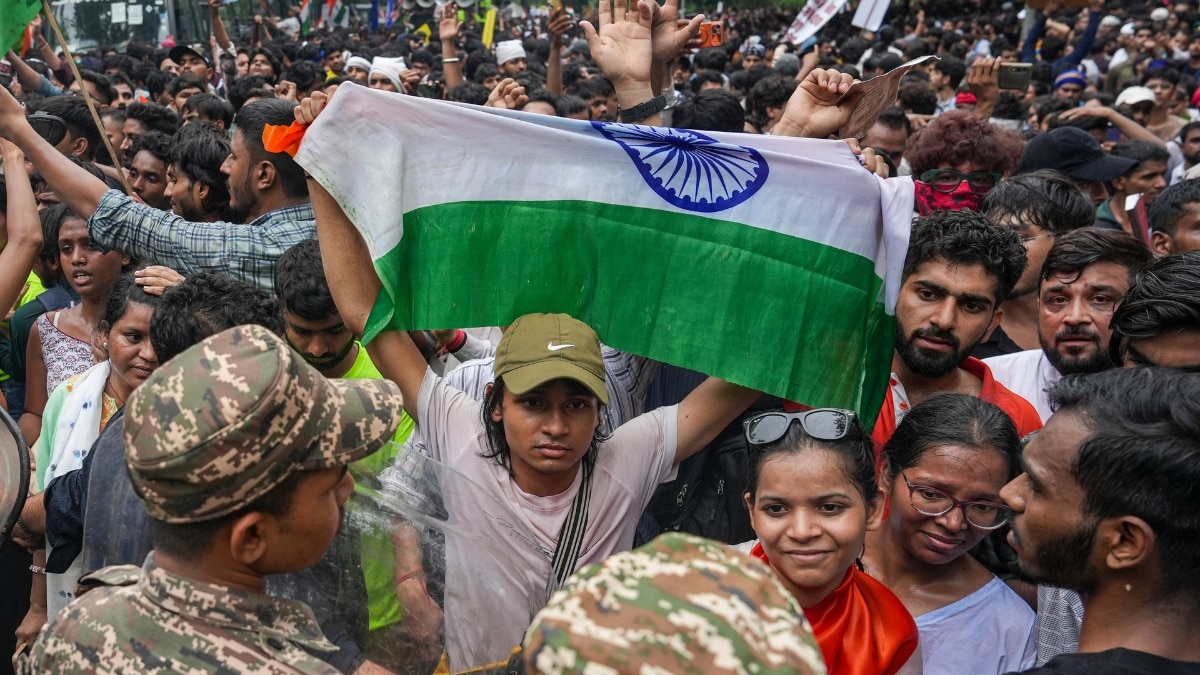
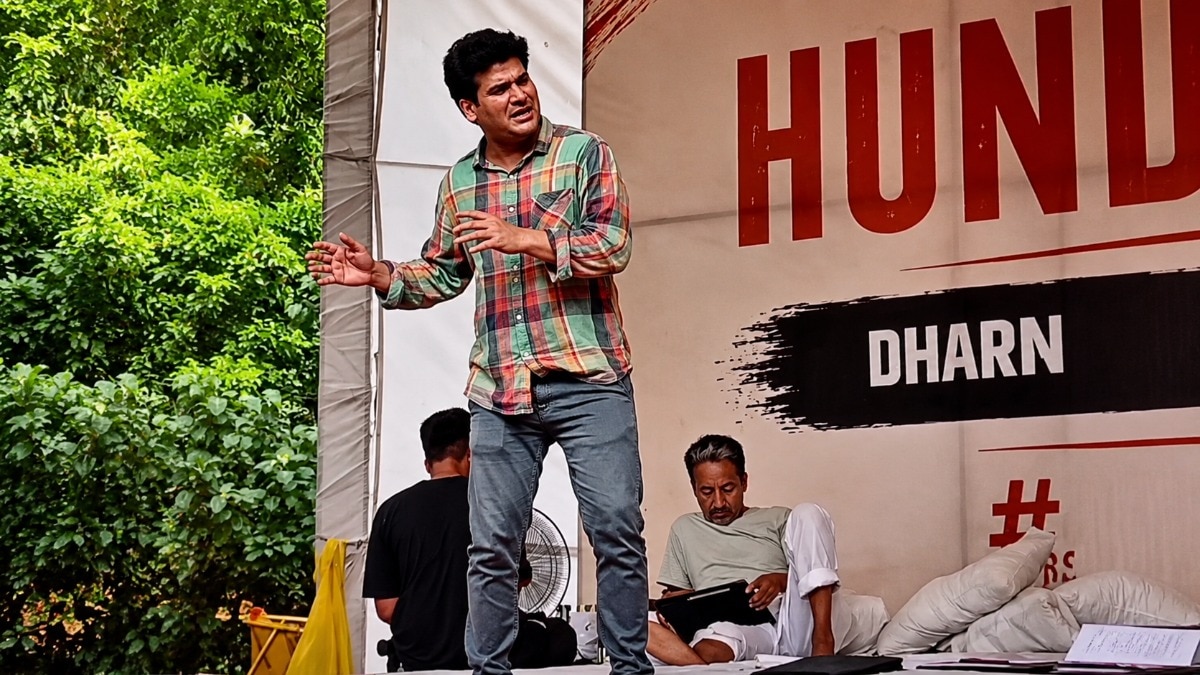
In the sprawling grounds of New Delhi’s Jantar Mantar, the Cockroach Janata Party (CJP) set up a protest demanding the resignation of Union Education Minister Dharmendra Pradhan. The stage, however, quickly turned into more than a slogan‑spewing platform – it became a makeshift arena for music and dance, headlined by CJP spokesperson Vijay Dahiya, who claims to be “the world’s first dancing activist.”
Dance as a Weapon Against Brahmanism
Dahiya told India Today Digital that his choreography is not a distraction but “a tool to protest against Brahmanism.” He argues that by dancing, he challenges caste‑based cultural hierarchies and gives voice to marginalized communities. “Art unites people and that is exactly what I am doing,” he said.
Sonam Wangchuk’s Silent Hunger Strike
Just metres away, Ladakh‑born climate activist and education reformer Sonam Wangchuk continues an indefinite hunger strike, now entering its 15th day. While Dahiya’s energetic moves draw cheers from the crowd, Wangchuk remains stoic, offering no overt acknowledgment of the performance. Dahiya insists, “Sonam sir enjoys our dance and has never been annoyed.”
Historical Resistance Through Rhythm
The tension between dance and dissent is not new. Leo Tolstoy dismissed dance as frivolous, and Oliver Cromwell viewed theatre with suspicion. In India, however, protest movements have long harnessed song, street theatre, and folk dances – from the left‑wing student rallies of the 1970s to contemporary SFI and AISA street‑theatre displays. Dahiya taps into this lineage, stating, “Historically, dance was an art form of lower‑caste communities. Through dance, I am breaking that convention.”
Criticism, Caste Politics and Social Media Backlash
Social media users revived a 2017 music video of Dahiya that featured Hindu deities Shiva and Parvati, accusing him of disrespect. Critics also question the optics of a protest that mixes music, dance, and a high‑profile hunger strike, fearing it dilutes seriousness. Dahiya rebuts, labeling the backlash as “a social mindset shaped by caste hierarchy,” and emphasizes that “dance gives us positive energy and acts as a form of meditation for the movement.”
As the CJP protest gains national attention, the clash between artistic expression and austere activism highlights a deeper conversation about how modern movements balance joy and sacrifice. Whether Dahiya’s choreography will reshape protest culture or remain a footnote beside Wangchuk’s fast remains to be seen.