Energy and Tourism Minister K.J. George directed officials to accelerate 13 ropeway projects across Karnataka, assigning feasibility studies to RITES. The projects will be executed under a PPP model to boost eco‑friendly connectivity.
मुख्य बिंदु (Key Takeaways)
- 13 ropeway projects in Karnataka’s key tourist destinations will be fast‑tracked.
- Feasibility studies have been handed over to RITES; eight reports are already complete.
- Projects will follow a Public‑Private Partnership model to attract private investment.
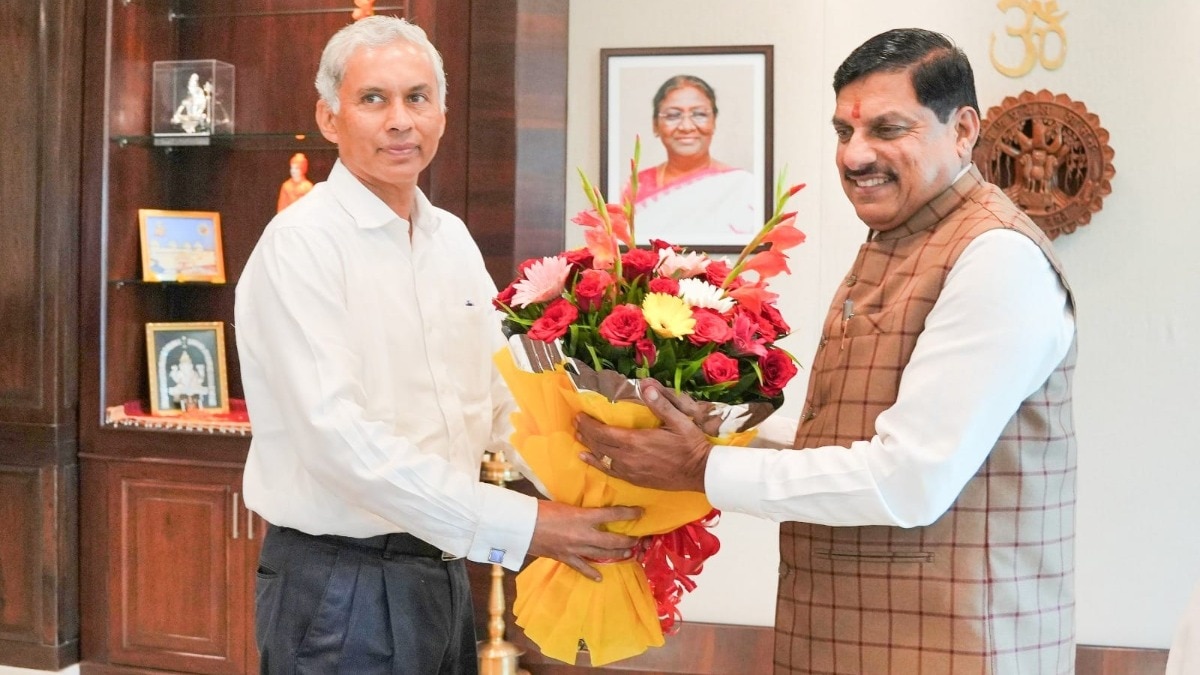
Energy and Tourism Minister K.J. George instructed senior officials of the Karnataka Tourism Department to expedite the implementation of 13 ropeway projects proposed across the state. Speaking at a review meeting in Bengaluru on Monday, the minister warned that several projects have lingered at the planning stage for years and must now be pushed forward without further delay.
Current Status of the Projects
The feasibility studies for all 13 ropeways have been entrusted to the Rail India Technical and Economic Service (RITES). To date, detailed feasibility reports for eight locations have been completed, while the remaining five are awaiting clearances. The Mullayanagiri Ropeway, for instance, is stalled due to pending permissions from the Forest and Environment Departments.
Tourism and Environmental Impact
These ropeways aim to improve connectivity to Karnataka’s major religious, heritage, and eco‑tourism sites—including Gokak Falls, Devaragudda Malatesha Temple, and Anjanadri Hill. By offering a low‑carbon, aerial transport option, the projects are positioned as a sustainable alternative to road travel, aligning with the state’s broader climate‑friendly objectives.
Public‑Private Partnership (PPP) Model
All projects will be executed under a PPP framework, encouraging private sector participation while the state provides regulatory and financial support. The Finance Department has already approved the Gokak Ropeway, signaling confidence in the project's economic viability.
Looking Ahead
Minister George emphasized that all mandatory approvals—especially from the Forest and Environment Departments—must be secured before tenders are floated. This pre‑emptive approach is intended to prevent post‑award delays and to position Karnataka as a flagship destination for sustainable tourism in India.