Kuki‑Zo civil bodies are seeking the Mizoram church to mediate talks with Naga leaders, while simultaneously pressing the Indian government for urgent humanitarian relief and a political solution to the renewed ethnic violence in Manipur.
Key Takeaways
- Kuki‑Zo delegation heads to Mizoram to enlist church mediation for Naga‑Kuki talks.
- Groups have submitted a memorandum to Home Minister Amit Shah demanding immediate security and humanitarian intervention.
- Renewed clashes, three decades after the 1990s conflict, revive calls for a separate administrative arrangement for Kuki‑Zo.
Efforts to restart dialogue between the Kuki‑Zo tribes and Tangkhul Nagas in Manipur have stalled, prompting Kuki civil‑society leaders to look to Mizoram’s church for a breakthrough. A delegation of senior Kuki‑Zo Church officials is traveling to Aizawl tomorrow to meet with local church authorities, hoping they will persuade Naga church leadership in both Manipur and Nagaland to open a fresh round of negotiations.
Historical Context
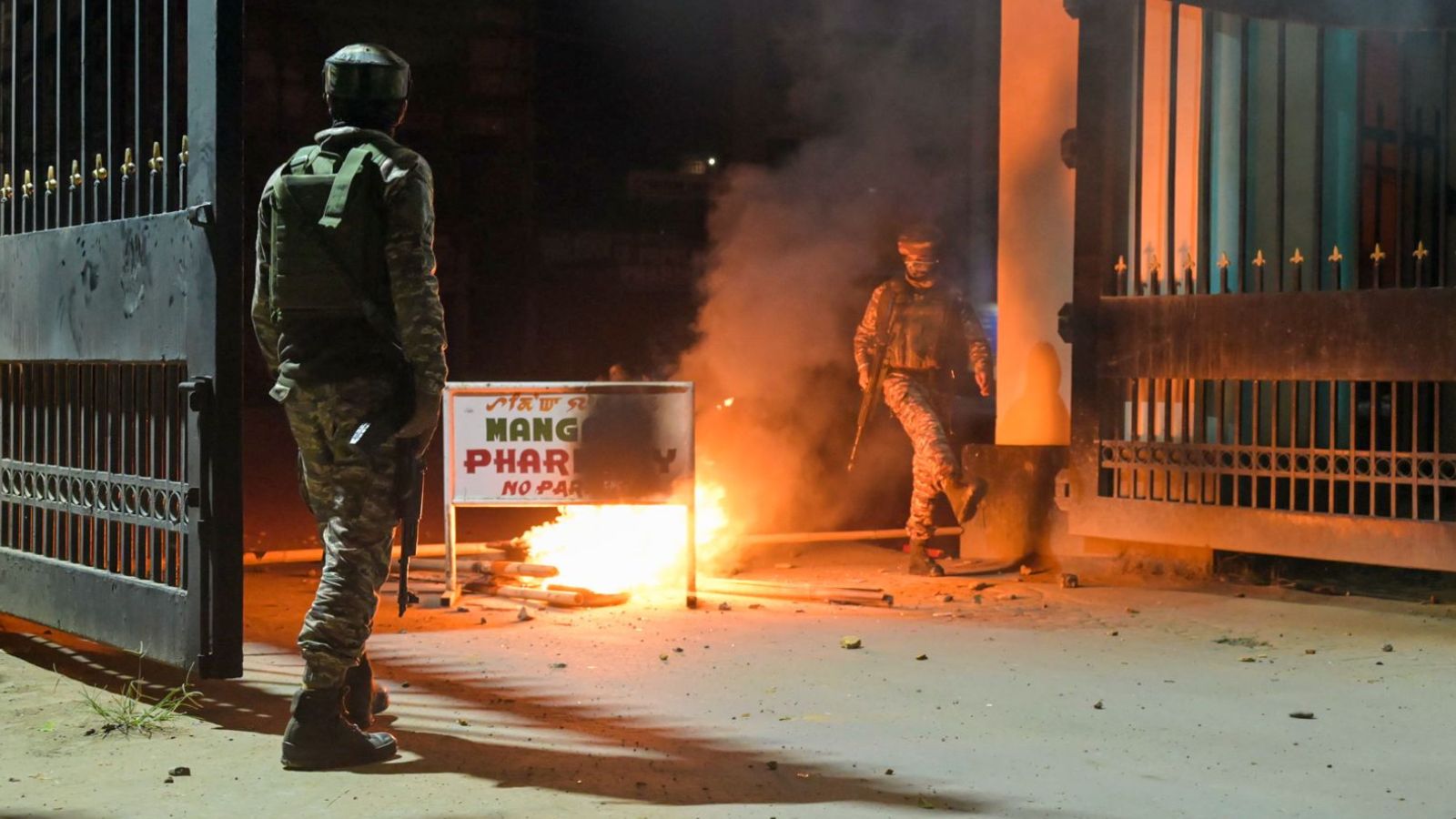
The current flare‑up echoes the violent Kuki‑Naga confrontations of the early 1990s, which left dozens dead, villages razed, and deep scars across the state. Although a cease‑fire was declared in the late‑1990s, mistrust persisted, and sporadic skirmishes continued. The latest round of violence, which began in January 2026, has already claimed more than two dozen lives and saw villages on both sides torched, marking the most serious escalation in three decades.
Kuki‑Zo’s New Diplomatic Track
Chairman of the Kuki Zonal Council (KZC), Henlienthang Thanglet, explained that earlier attempts to engage the United Naga Council for dialogue failed. “We have tried to reach out to the United Naga Council for a dialogue, but it has not been successful. Hence, a delegation is heading to Aizawl to discuss the matter with church leaders,” he told The Indian Express. The belief is that the church, respected by both communities, can serve as a neutral conduit to restart talks that political channels have been unable to revive.
Pressure on the Centre
Parallel to the Mizoram outreach, KZC and the Kuki Inpi Manipur (KIM) have been lobbying the central government in Delhi. Over the weekend, they met North‑East Interlocutor Ajit Lal and Intelligence Bureau Director Mahesh Dixit**, submitting a detailed memorandum to Union Home Minister Amit Shah. The document outlines a worsening humanitarian crisis: food, medicine and fuel supplies are disrupted, rice prices have surged to ₹3,500 per half‑bag, and petrol costs ₹250 per litre. Fourteen villages have reportedly been burnt, and fifteen Kuki‑Zo individuals have been killed by NSCN(IM) and allied armed groups.
Demands and Prospects
The memorandum calls for immediate security deployment, an impartial investigation into the killings and arson, uninterrupted flow of essential commodities, and, crucially, a separate administrative arrangement for the Kuki‑Zo people. KIM President Ch Ajang Khongsai stressed that “equal justice” is essential and that the community is also a victim of the ongoing conflict. He urged the Centre to “ensure immediate protection of lives, property, and ancestral lands, and to take decisive constitutional and administrative measures for a durable political solution.”
If the Mizoram church succeeds in influencing Naga leadership, it could create the momentum needed for a broader, inclusive peace process involving Meitei, Naga and Kuki‑Zo stakeholders. However, without swift central intervention to address the acute humanitarian distress, any dialogue risk being undermined by escalating grievances.