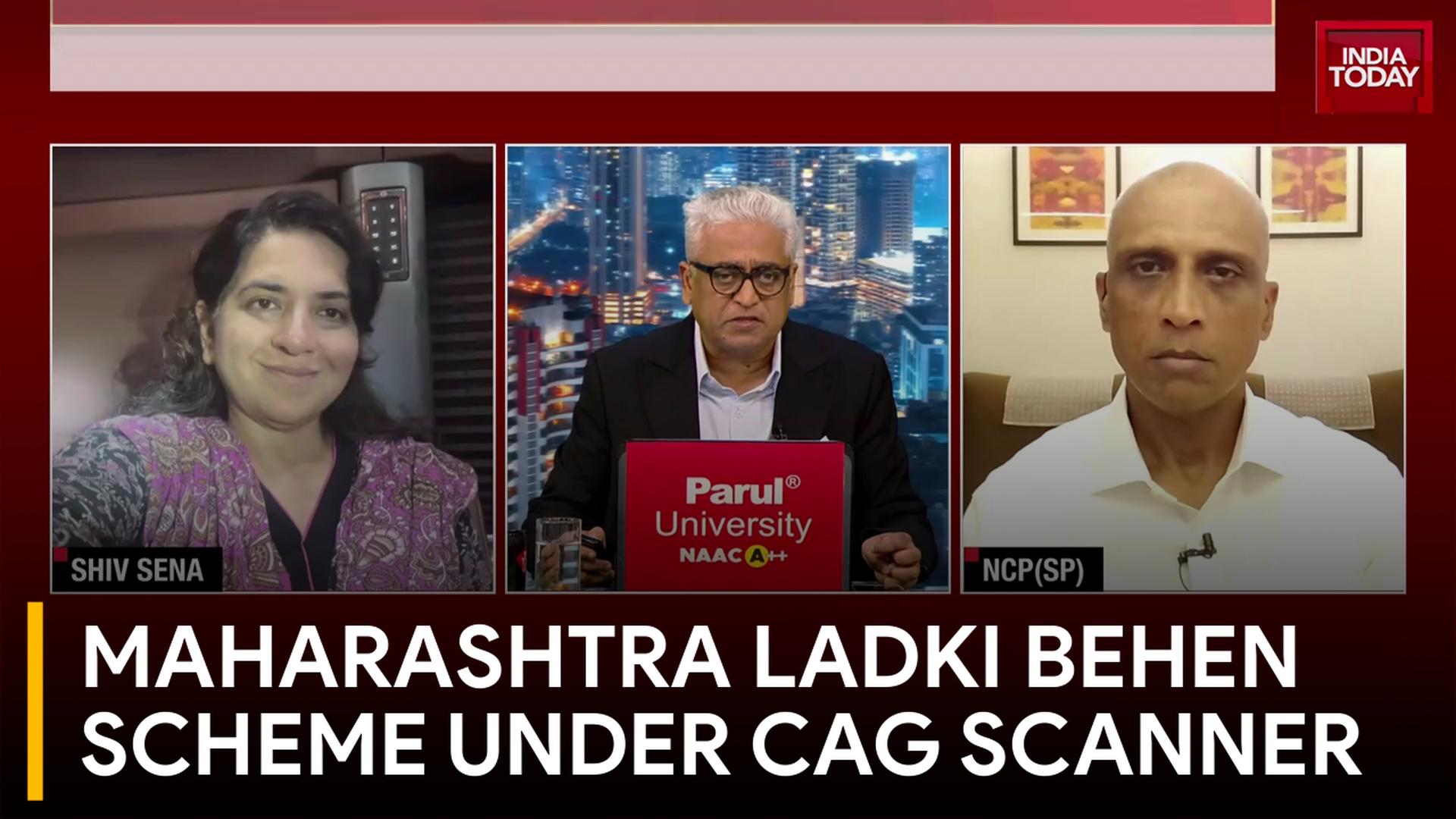
Maharashtra’s Ladki Bahin scheme has ignited a heated debate over cash disbursements during election years. Experts argue that empowerment must stem from education and opportunity, not short‑term cash grants.
मुख्य बिंदु (Key Takeaways)
- The Ladki Bahin scheme was intended to offset girls' education and health costs.
- Cash handouts during the 2024 election raised questions about the scheme’s core purpose.
- State finances are strained; experts call for sustainable, non‑cash solutions.
During the 2024 Maharashtra assembly elections, several state governments revived welfare schemes like Ladki Bahin, offering direct cash to women voters. While the move was framed as a development initiative, critics say it turned a long‑term empowerment program into a short‑term vote‑banking tool.
Origins and Objectives of the Scheme
Launched in 2015, the Ladki Bahin programme aimed to subsidise tuition, textbooks, uniforms and health expenses for school‑going girls from low‑income families. Early evaluations showed modest improvements in enrolment and reduced dropout rates, positioning the scheme as a model for gender‑focused welfare.
Election‑Year Cash Distribution and Its Fallout
In the run‑up to the 2024 polls, political parties recast the scheme as a “cash allowance,” delivering lump‑sum payments directly into beneficiaries’ hands. Social activist Rajdeep summed up the backlash: “Empowerment comes through education, opportunity, not through cash handouts.” His statement resonated with economists who warned that such cash‑centric tactics could erode the programme’s original intent.
Fiscal Strain and Beneficiary List Cuts
Post‑election, Maharashtra’s treasury faced a widening deficit, prompting officials to slash the Ladki Bahin beneficiary list by roughly 50 %. Many families, who had come to rely on the cash infusion, now find themselves excluded. Economist Dr. Sunita Mishra noted, “Given the state’s fiscal pressure, curbing unnecessary cash outlays is essential; otherwise, social schemes will become unsustainable.”
Expert Recommendations for a Sustainable Path Forward
Financial analysts and social workers propose three key reforms: (1) Replace cash with targeted education and health vouchers delivered via digital platforms, (2) Institute independent audits to monitor impact and prevent misuse, and (3) Enforce stricter regulations to stop political exploitation of welfare schemes during election cycles.
Adopting these measures could alleviate budgetary stress while preserving the core mission of the Ladki Bahin programme—genuine empowerment of girls through long‑term investment in their futures.