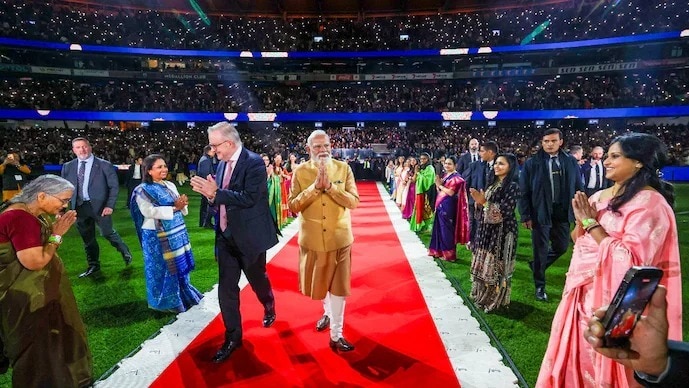
Organisers of the 'Melbourne Meets Modi' event in Australia have categorically rejected the Congress party's allegations of a paid crowd. They have called on Rahul Gandhi and Mallikarjun Kharge to publicly apologise for the accusations.
Key Takeaways
- Approximately 30,000 attendees attended the Melbourne event of their own volition
- Congress' paid‑crowd allegations were dismissed by local volunteers
- Organisers demand a public apology from Rahul Gandhi and Mallikarjun Kharge
On July 9, the 'Melbourne Meets Modi' gathering at Marvel Stadium attracted roughly 30,000 Indian‑Australian participants, each covering their own expenses. Prime Minister Narendra Modi shared the stage with Australian Prime Minister Anthony Albanese and Victoria Premier Jacinta Allan, marking a high‑profile diplomatic visit.
Refuting the Paid‑Crowd Allegations
Following the event, Congress leaders Rahul Gandhi and Mallikarjun Kharge labelled the audience as a 'paid crowd'. In response, organisers issued an open letter rejecting the claim, emphasizing that attendees arrived voluntarily, without financial backing from any political party or government agency. All costs were borne by the individuals, with a minority receiving community assistance.
The Role of Local Volunteers
Volunteer networks across Melbourne, Sydney, Adelaide, Perth and Brisbane coordinated a chartered flight dubbed 'Modi Airways'. The operation required months of planning, paperwork, and personal coordination, with many volunteers sacrificing business and family commitments. They stressed that neither the Indian government nor any party funded the travel.
Demands and Potential Implications
The organisers have outlined three core demands: (1) official acknowledgment that no party or government funded the flight; (2) withdrawal of the paid‑crowd allegations; (3) a public apology to the Indian diaspora for the insult to their dignity. Meeting these demands could mitigate political polarization within the overseas Indian community and preserve the dignity of thousands of migrants.
Future Outlook
This controversy highlights the delicate balance of India’s cultural diplomacy abroad. Turning community‑driven events into partisan battlegrounds risks eroding India’s soft‑power image. Going forward, greater transparency and non‑partisan framing of such gatherings may be essential to safeguard bilateral ties and diaspora goodwill.