Bangladesh State Minister for Foreign Affairs Shama Obaed Islam warned that former Prime Minister Sheikh Hasina will be imprisoned under existing law upon her return. The statement underscores the BNP government's firm legal stance.
Key Takeaways
- Sheikh Hasina will be jailed if she steps foot in Bangladesh
- The legal process began under the previous interim administration
- The Bangladesh Nationalist Party (BNP) is now pursuing the case
State Minister for Foreign Affairs Shama Obaed Islam told reporters on July 13, 2026 that former Prime Minister Sheikh Hasina – who fled Dhaka after her government collapsed in 2024 – will be taken to jail immediately if she returns, as per the existing legal framework. The remark reflects the hard‑line approach of the Bangladesh Nationalist Party (BNP) government, which classifies Hasina as a convicted criminal.
Background and Political Context
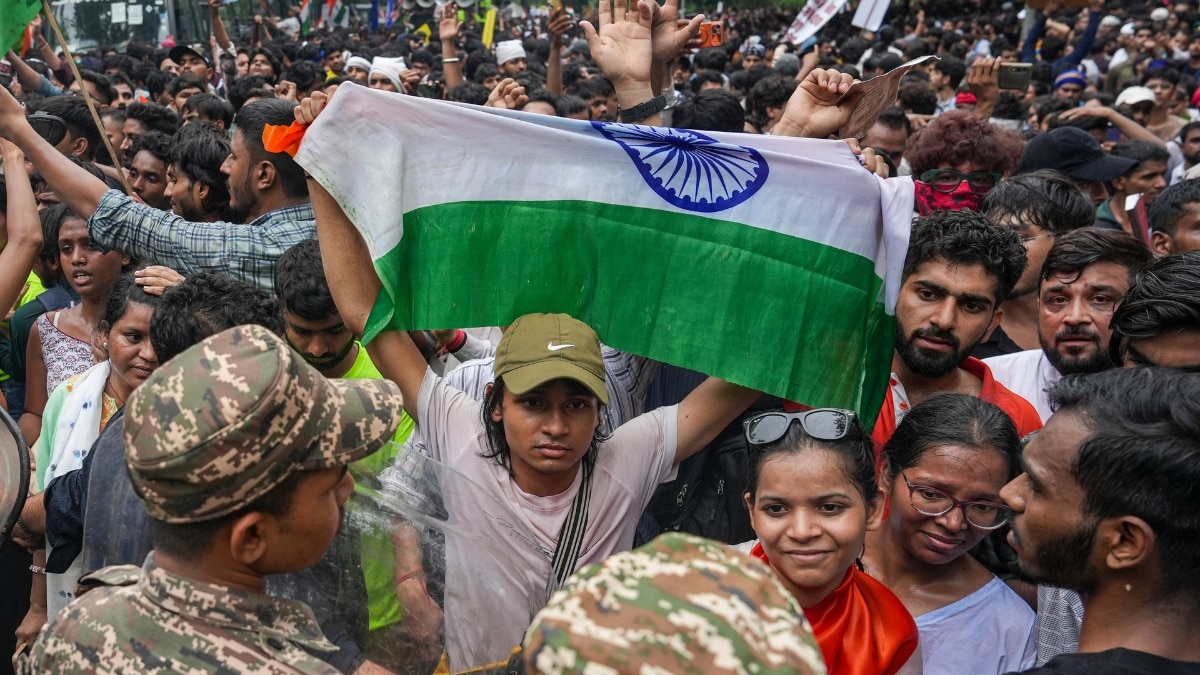
Sheikh Hasina, the 78‑year‑old daughter of Bangladesh’s founder Sheikh Mujibur Rahman, was ousted following a massive student‑led protest on August 5, 2024. The protest was sparked by a brutal crackdown on demonstrators, leading to widespread public outrage and culminating in her forced exile to India. Since then, she has remained in New Delhi, while the Bangladeshi authorities have pursued a series of legal actions against her.
Evolution of the Legal Process
In November 2025, a special tribunal in Dhaka sentenced Hasina to death in absentia on charges of “crimes against humanity” related to the 2024 crackdown. The government maintains that the verdict is based on legal merits, whereas Hasina dismisses it as a politically motivated maneuver. Sources close to her claim she intends to return in December 2026, describing the decision as “voluntary.” However, Minister Shama clarified that any surrender—whether in India or Bangladesh—will trigger immediate incarceration, emphasizing that the law does not consider statements from a convicted individual.
International Dimensions and India‑Bangladesh Relations
Hasina’s potential return is a diplomatic flashpoint. New Delhi has repeatedly been urged by Dhaka to extradite her, yet her protection under international human‑rights norms remains a sticking point. Should she choose to cross the border, she is likely to be placed in detention under close international scrutiny, raising concerns about due‑process standards in the region.
Future Outlook
The BNP‑led administration argues that Hasina’s public comments from abroad aim to embolden Awami League activists who have gone underground or fled the country. By framing her statements as an attempt to “encourage” dissent, the government signals that any legal proceedings will proceed without political compromise. The unfolding scenario will test Bangladesh’s commitment to rule of law versus political retribution, while also influencing South Asian stability.