Shiv Sena corporator Ramesh Mhatre, arrested for assaulting a doctor and nurses at Dombivli civic hospital, has filed a bail petition asserting he acted to help citizens, not out of personal revenge. The court is yet to decide, while his health concerns—single kidney and hypertension—are also cited.
Key Takeaways
- Ramesh Mhatre files bail, says no personal grudge.
- Health issues: one kidney, high blood pressure.
- Incident sparked statewide black‑ribbon protest by resident doctors.
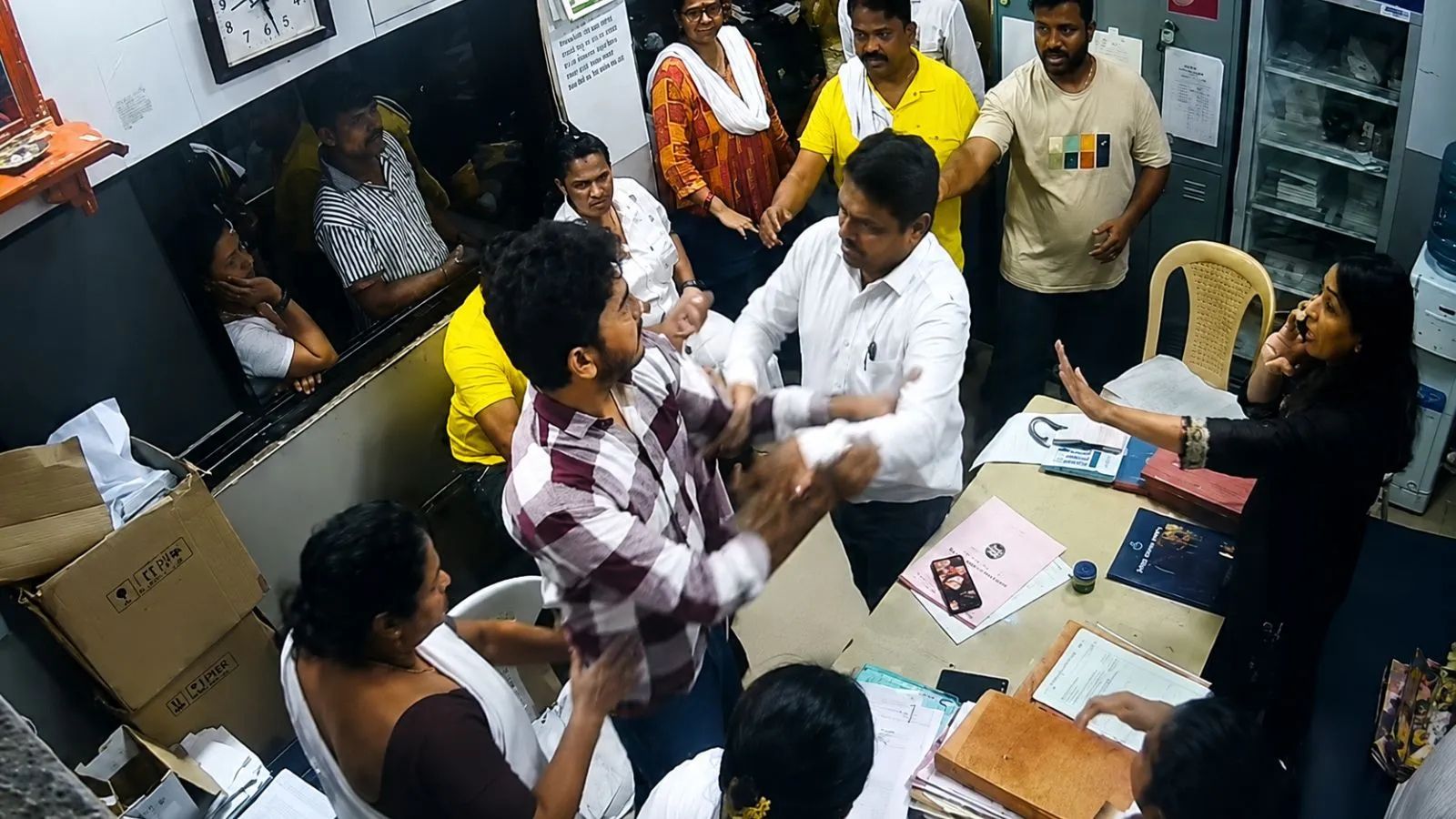
Shiv Sena corporator Ramesh Mhatre was arrested on July 6 after allegedly assaulting a doctor and nurses at Dombivli Civic Hospital. In his bail application, Mhatre emphasized that he harbored no personal animosity toward the medical staff and that his actions were intended to assist a citizen in distress.
Background
The clash originated when a pregnant woman was advised to be transferred to another facility because the Neonatal Intensive Care Unit (NICU) beds at the hospital were fully occupied. The family, frustrated by the lack of immediate care, approached Mhatre, who intervened as a local elected representative. In a heated exchange, Mhatre allegedly struck the doctor and nursing staff, triggering a wave of condemnation from opposition leaders and medical bodies.
Legal Proceedings
Thane city police presented Mhatre and three associates before the court via video conferencing, citing potential law‑and‑order concerns. All four were remanded to judicial custody. Mhatre’s counsel, Sanjay Dhanke, argued that police had no recovery to make from the accused, thus they should not seek continued custody. The bail petition highlighted Mhatre’s medical vulnerabilities—he possesses a single kidney and suffers from hypertension—requesting that he be examined before any decision on incarceration.
Political Fallout
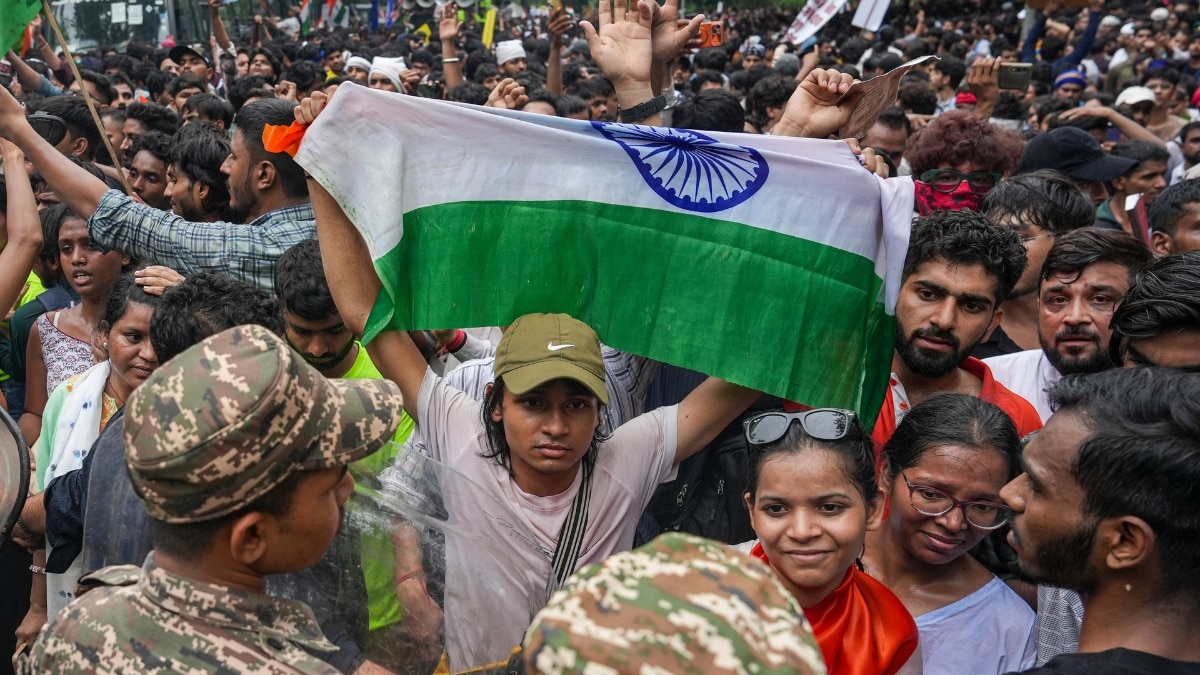
The incident has drawn sharp criticism toward Shiv Sena, with opposition parties accusing the party of abusing political power. The Central Maharashtra Association of Resident Doctors organized a statewide black‑ribbon protest across government and semi‑government colleges and hospitals, underscoring the broader tension between medical professionals and political actors in the state.
Potential Outcomes
If the court grants bail, Mhatre will undergo a medical assessment and could be transferred to Aadharwadi prison in Kalyan, pending fitness confirmation. However, sustained public pressure and ongoing demands from doctors’ unions may lead to a protracted judicial review. The case highlights the urgent need for clearer protocols when elected officials intervene in hospital affairs, especially in high‑stress scenarios involving critical care resources.