The Assam government has ‘pushed’ 193 declared foreigners into Bangladesh over the past two years, including 67 expelled under the revived 1950 Immigrants Expulsion Act. The Supreme Court has struck down procedural flaws, sending all 27 cases back for fresh hearings, raising concerns over security, human rights, and Indo‑Bangladesh ties.
मुख्य बिंदु (Key Takeaways)
- 193 declared foreigners were pushed into Bangladesh within a two‑year span
- 67 expulsions were carried out under the revived 1950 Immigrants Expulsion Act
- The Supreme Court ordered fresh adjudication for all 27 cases, citing due‑process violations
Since May 2025 Assam has resorted to a controversial “pushing” method, directing individuals labelled as foreigners across the border without any bilateral coordination. The legal instrument invoked is the Immigrants (Expulsion from Assam) Act, 1950, resurrected last year to give the state a formal framework for such removals.
Numbers and Geographic Spread
According to data tabled in the Assam Legislative Assembly by Chief Minister Himanta Biswa Sarma, between 1 July 2024 and 30 June 2026 a total of 1,679 people were sent to Bangladesh. Of these, 193 were officially declared foreigners and “pushed” back, while 67 were expelled under the 1950 Act. The highest concentration of expulsions came from Nagaon (19) and Kokrajhar (16) districts, followed by Barpeta, Chirang, and Karbi‑Anglong.
Judicial Intervention
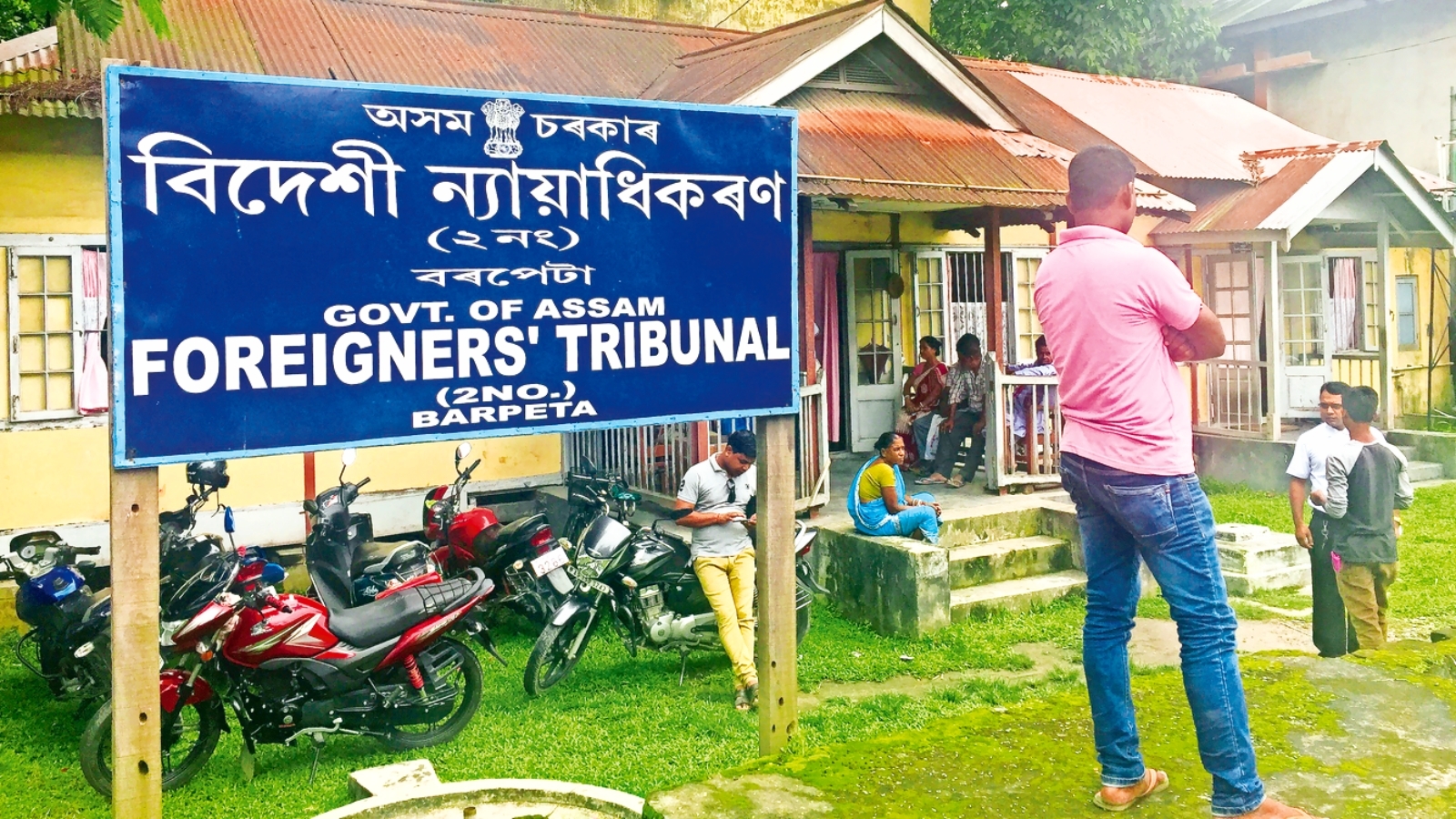
Earlier, the Gauhati High Court had upheld several Foreigners Tribunal orders that designated appellants as foreigners in absentia. On 14 July 2026, a Supreme Court bench comprising Justices Vikram Nath and Sandeep Mehta set aside 27 such judgments, emphasizing that citizenship determinations must be made through a “fair, lawful and reasonable process.” All 27 cases were remanded to the respective tribunals for fresh adjudication.
Legal Recourse and Appeals
Legally, individuals declared foreigners by the tribunals can appeal to the Gauhati High Court and, ultimately, the Supreme Court. The government asserted that no person is repatriated while an appeal is pending, yet it disclosed that there is currently no information on any pending appeals, raising questions about transparency and procedural compliance.
Implications and Outlook
The “pushing” policy sits at the intersection of security imperatives and human‑rights obligations. Experts warn that unilateral border expulsions could strain Indo‑Bangladesh diplomatic relations and set a precedent for future mass movements of people. Balancing regional security concerns with constitutional guarantees and international law will be critical as the state moves forward.