Ahmedabad Municipal Corporation (AMC) has filed its first FIR for illegal occupation of a house built under the Economically Weaker Section (EWS) scheme. The offender was warned under Section 223 of the IPC and the property was seized and resealed.
Key Takeaways (मुख्य बिंदु)
- AMC filed its first FIR for illegal occupation of an EWS house.
- Three illegal occupants were removed; one individual repeatedly re‑entered.
- The repeat offender was warned under Section 223 and faced a police case.
In a landmark move, Ahmedabad Municipal Corporation (AMC) recorded the first ever FIR for illegal occupation of a house constructed under the Economically Weaker Section (EWS) housing scheme. The complaint was lodged at the Satellite Police Station, signalling a decisive stance by local authorities against unauthorized habitation.
Background of the EWS Scheme
The EWS housing initiative, launched by the Indian government, aims to provide affordable, secure homes for families falling below a defined income threshold. In Gujarat, several EWS units have been built, including the property owned by Jiva Dohsa na Chhapra (The Jai Jogmaya Co., Ltd.), which had remained vacant for an extended period.
Sequence of Events
According to Darshan Shah, Chairman of AMC’s Housing Improvement and EWS Housing Committee, four individuals illegally occupied four vacant units. Upon notice, AMC’s Estate and Housing Project departments evicted all trespassers. While three left the premises, one individual repeatedly returned to reside in House No. 207, Block C.
Legal Action Taken
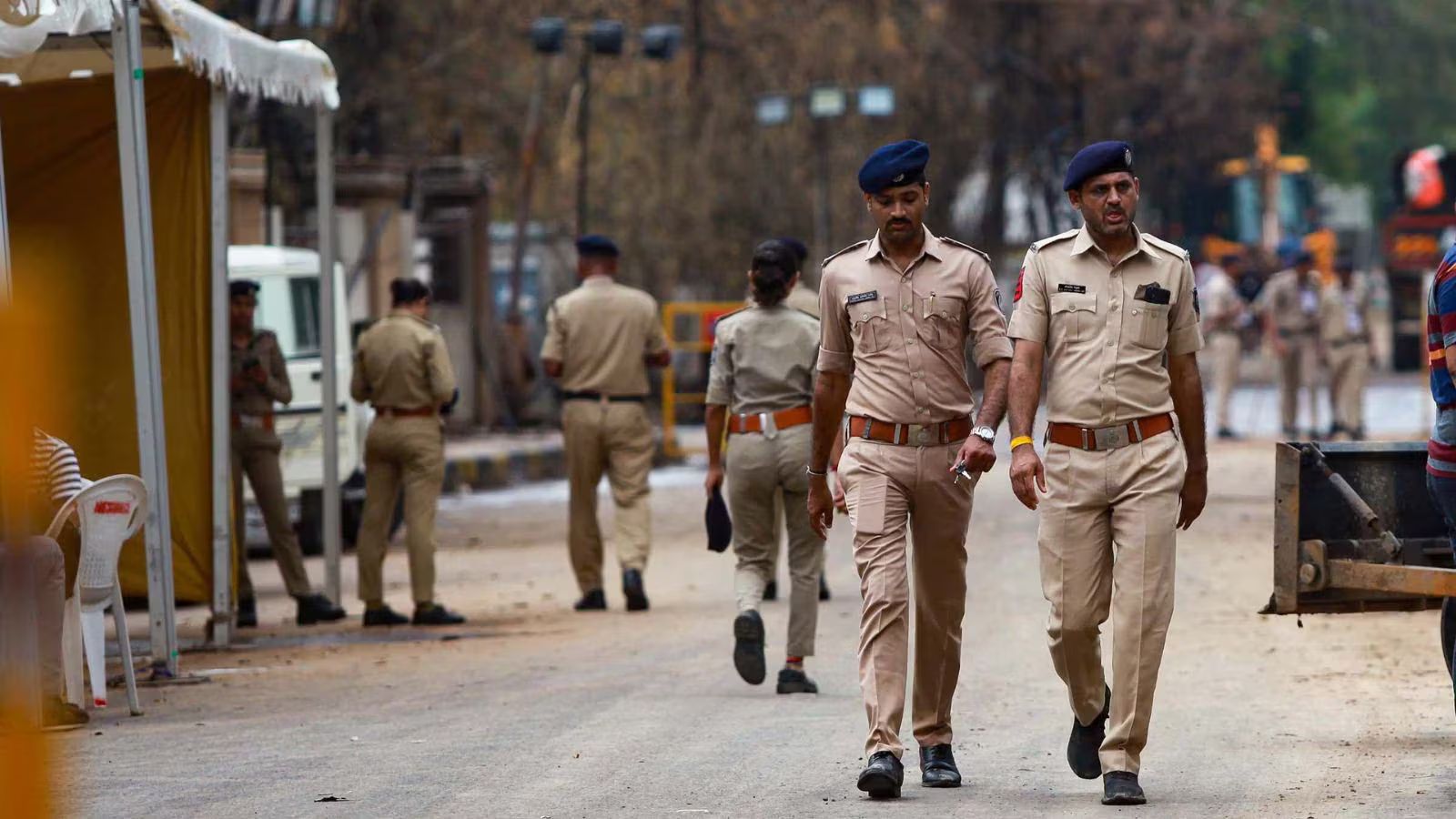
The repeat offender was served a warning under Section 223 of the Indian Penal Code, which specifically addresses unlawful occupation. Police registered a case, seized goods from the premises, and resealed the house, reinforcing the rule of law and protecting public housing assets.
Implications for Future Governance
This unprecedented FIR sets a precedent for other municipal bodies, emphasizing the need to safeguard EWS allocations from misuse. It underscores AMC’s commitment to social equity and could deter similar violations across the country, ensuring that economically weaker sections receive the housing they are entitled to.