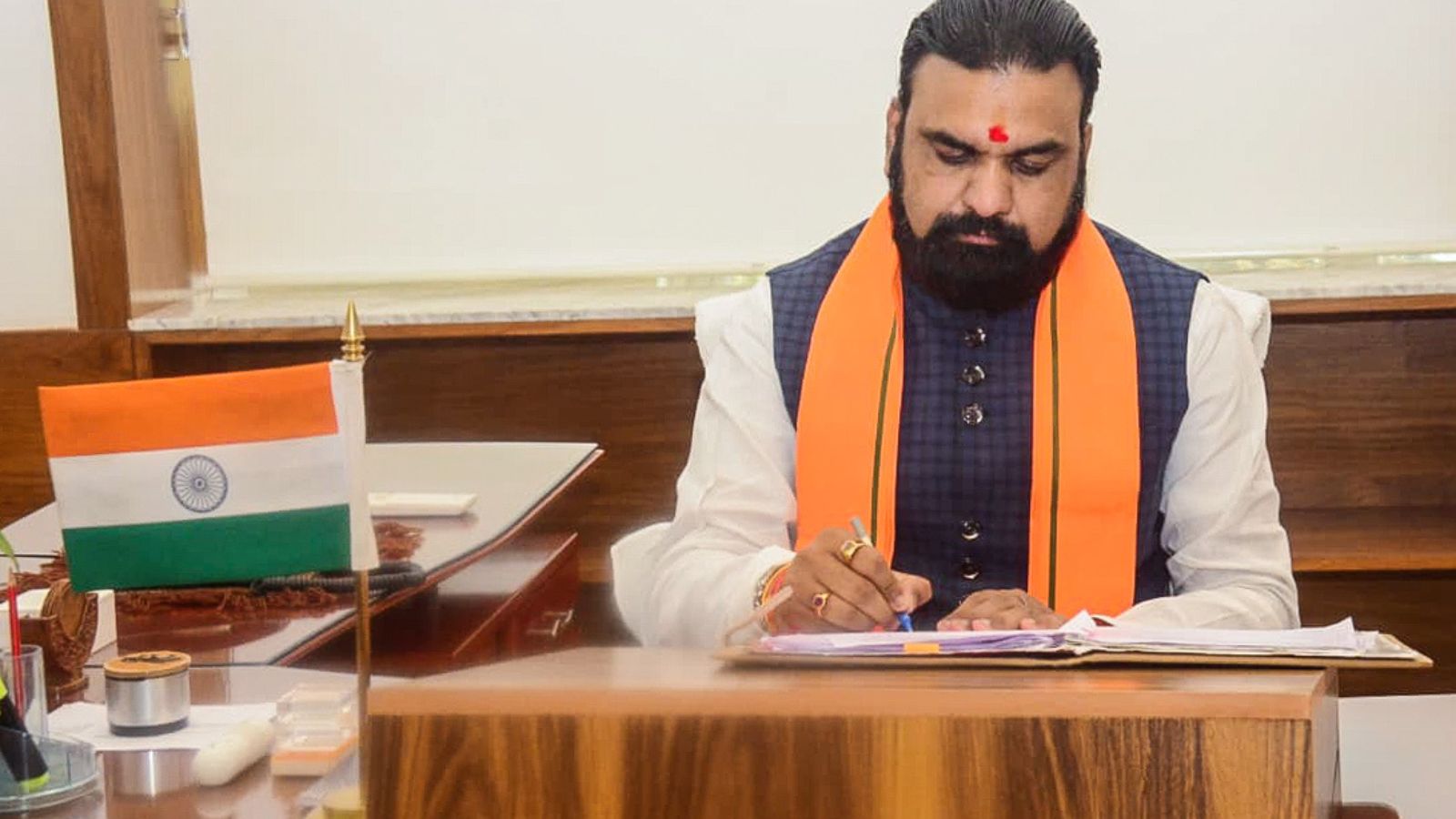
Chief Minister Samrat Choudhary unveiled the Bihar Helitourism and Air Tourism Service Scheme 2026, offering subsidized helicopter links to key heritage sites and a short aerial tour of Patna. The initiative aims to make air travel affordable and position Bihar as a premier global tourism destination.
Key Takeaways
- CM Samrat Choudhary launches Bihar Helitourism Scheme
- Helicopter services connect Patna with Rajgir, Valmikinagar, and Kaimur
- Government subsidies reduce ticket prices, boosting tourism
On July 14, 2026, Chief Minister Samrat Choudhary inaugurated the Bihar Helitourism and Air Tourism Service Scheme 2026 at the ‘Samvad’ Hall of the Chief Minister’s Secretariat. The program is positioned as a watershed moment for the state’s tourism sector, signalling a shift from traditional ground‑based travel to high‑speed aerial connectivity.
Scheme Mechanics and Subsidy Structure
The scheme will provide subsidised helicopter services linking Patna with three of Bihar’s most visited destinations – Rajgir, Valmikinagar, and Kaimur. Regular flights commence on July 18, operating every Saturday and Sunday at 30‑minute intervals. Each helicopter can accommodate up to five passengers, and the state will cover up to ₹15,422 per ticket, dramatically lowering the cost for the average traveler.
In addition, a 10‑minute aerial tour of Patna is priced at ₹2,100 per person, offering panoramic views of the Ganga River, JP Ganga Path, Takht Sri Harimandir Ji Patna Sahib, and other iconic landmarks. A 20‑seater aircraft will ferry tourists to the Valmikinagar Tiger Reserve for a one‑way fare of ₹5,000. Special helicopter services to Rajgir and Kaimur are priced at ₹4,000 and ₹6,000 respectively.
Historical Context and Strategic Importance
Bihar’s tourism narrative has traditionally revolved around its Buddhist and Jain heritage, the ancient Nalanda University, and the legacy of the Magadh Empire. While these attractions draw scholars and pilgrims, accessibility has remained a bottleneck, with most visitors relying on road transport. The helitourism initiative bridges this gap, delivering fast, safe, and comfortable air links that can stimulate higher visitor volumes and longer stays.
Tourism analysts contend that integrating high‑tech aerial services with cultural tourism can transform Bihar into a “smart tourism” hub, aligning with India’s broader national tourism strategy that encourages states to leverage unique assets through innovative mobility solutions.
Future Prospects and Challenges
If successful, the scheme could generate direct employment for pilots, ground crew, and hospitality staff, while spurring ancillary growth in hotels, restaurants, and local crafts. However, sustainability concerns—such as environmental impact, adherence to aviation safety standards, and the fiscal viability of ongoing subsidies—must be addressed. Experts suggest rigorous environmental assessments and public‑private partnership (PPP) models to balance growth with responsibility.
CM Choudhary emphasized, “Bihar is no longer just a land of history and faith; it is rapidly emerging as a modern tourism hub. Our goal is to place Bihar firmly on the world tourism map.” With this bold vision, the helitourism scheme has the potential to reposition Bihar as a premier destination for both domestic and international travelers.