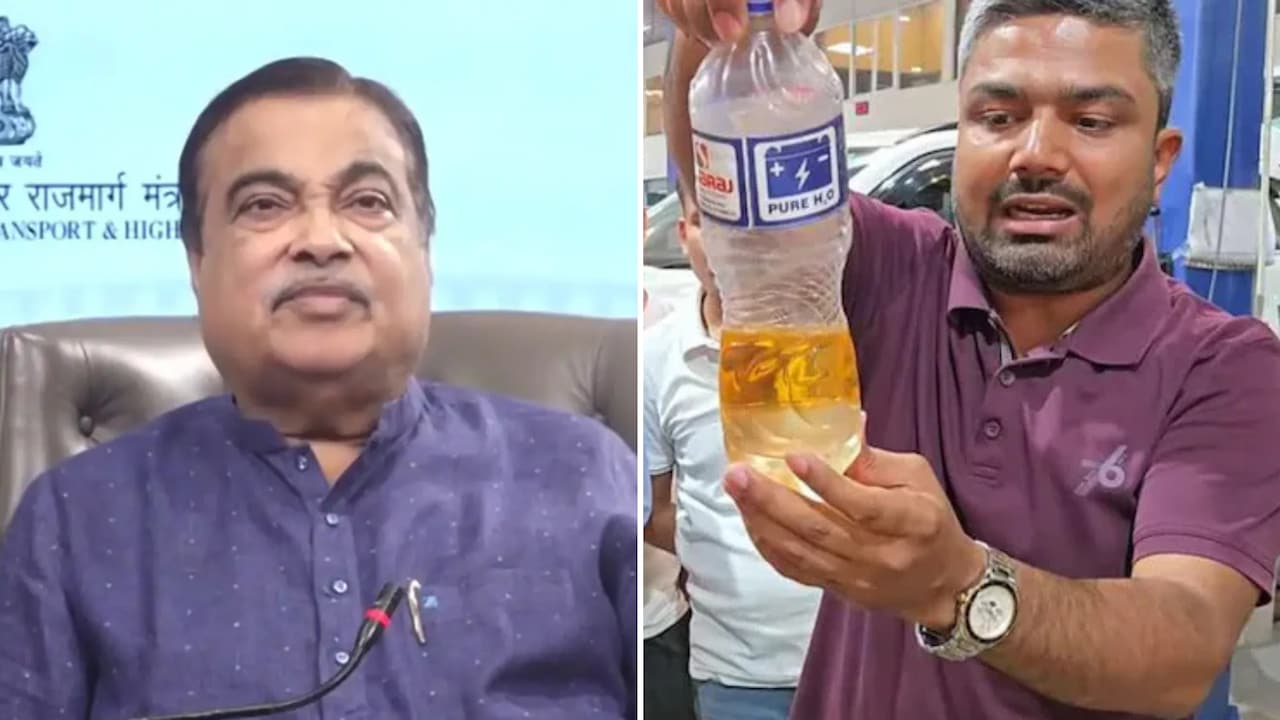
Four digital influencers, including popular YouTuber Manish Kashyap, face criminal charges for exploiting Union Minister Nitin Gadkari’s name to boost views, sparking renewed debate on online responsibility.
मुख्य बिंदु (Key Takeaways)
- Four social media influencers are accused of defaming Minister Nitin Gadkari.
- Their content used Gadkari’s name without consent to generate viral views.
- The case intensifies discussions on accountability and regulation of digital platforms.
New Delhi – Senior Union Minister Nitin Gadkari has been the target of a legal crackdown after four social media influencers, including well‑known YouTuber Manish Kashyap, were arrested for allegedly tarnishing his reputation. The controversy stems from a viral video that referenced the contentious E‑20 highway project, casting Gadkari in a negative light to attract viewership.
Background and the E‑20 Dispute
The E‑20 corridor, a strategic infrastructure initiative in India’s northeast, has long been a flashpoint for environmental, economic, and regional concerns. While the government promotes the project as a catalyst for growth, local activists and opposition parties have repeatedly challenged its feasibility and ecological impact. Minister Gadkari has publicly defended the project, emphasizing its long‑term benefits for trade and connectivity.
Misuse of the Minister’s Name
Investigations reveal that the four content creators repurposed excerpts from Gadkari’s speeches without permission, editing them to imply dissent or criticism. Their videos, posted across YouTube, Instagram, and short‑form platforms, amassed millions of views within hours, amplifying the perceived attack on the minister’s image.
Legal Implications and Official Response
The Ministry of Electronics and Information Technology classified the incident under the Information Technology Act and the criminal defamation provisions of the Indian Penal Code. Authorities have filed charges of criminal defamation and misuse of a public figure’s name, underscoring a broader push for stricter oversight of online content. Legal experts argue that this case could set a precedent for holding influencers accountable for reckless or fabricated claims.
Future Outlook
Beyond the immediate legal ramifications, the case highlights the tension between freedom of expression and the responsibility of digital creators. Should the courts impose stringent penalties, it may compel influencers to adopt more rigorous fact‑checking practices, potentially elevating the quality of public discourse on social media. Conversely, critics warn that excessive regulation could stifle legitimate critique of public policies.