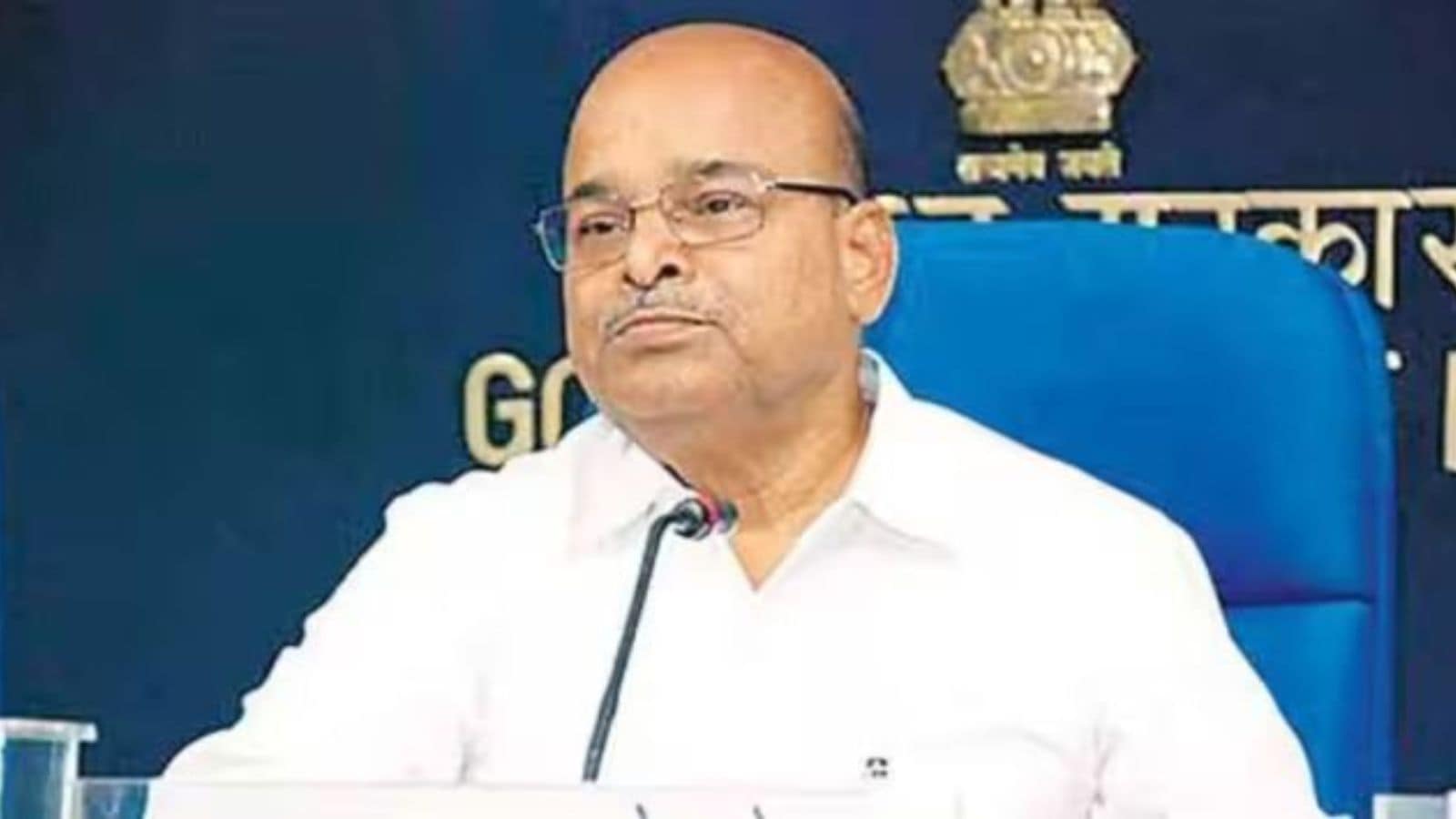
Governor Thawarchand Gehlot suspended KPSC Chairman Shivashankarappa S. Sahukar, arguing that a presidential reference to the Supreme Court is required. The High Court is now scrutinizing the constitutional legitimacy of this move under Articles 317 and 371(1).
Key Takeaways
- The Governor suspended the KPSC chief, but a presidential reference to the Supreme Court is being demanded.
- The High Court is examining the powers granted under Articles 317 and 371(1) of the Constitution.
- The outcome could reshape transparency and oversight mechanisms for public service commissions across India.
In Bengaluru, the Karnataka High Court on Tuesday heard a petition filed by Shivashankarappa S. Sahukar, Chairman of the Karnataka Public Service Commission (KPSC), challenging his suspension by Governor Thawarchand Gehlot. The suspension stems from allegations that Sahukar facilitated the illegal selection of his two daughters for government posts and failed to disclose a conflict of interest. Central to the dispute is whether the Governor can act without a prior presidential reference to the Supreme Court, as mandated by Article 371(1).
Legal Framework and Constitutional Context
Article 371(1) requires that any removal or suspension of a member of a Public Service Commission be preceded by a reference from the President to the Supreme Court for an inquiry. This safeguard was introduced to curb arbitrary executive interference. Article 317, on the other hand, empowers the Governor to suspend a commission member temporarily, but only after the President has invoked the Supreme Court’s jurisdiction. The interplay of these provisions is now under judicial review.
High Court’s Core Question
Justice Suraj Govindaraj asked, "Until the President makes a reference, can you suspend?" The bench clarified that it is not adjudicating the merits of the allegations—those will be examined by the Supreme Court once a reference is made—but is instead focusing on whether the Governor’s suspension order is within his constitutional competence.
Potential Implications
If the High Court rules that the Governor acted beyond his authority, it could trigger a nationwide reassessment of how state governors handle disciplinary actions against commission members. Such a precedent would reinforce procedural rigor, ensuring that any future suspensions are backed by a clear presidential directive and subsequent Supreme Court inquiry. Meanwhile, the KPSC has launched an internal probe, and Sahukar’s daughter faces separate charges for allegedly falsifying income and caste certificates.
Next Steps
The matter has been adjourned for further hearing on Wednesday, with the court directing all parties to submit relevant judgments. Additional Advocate General Reuben Jacob assured that no precipitous action will be taken against the suspended chairman pending a Supreme Court reference. The case remains a litmus test for the balance of power between state executives and the central constitutional machinery.