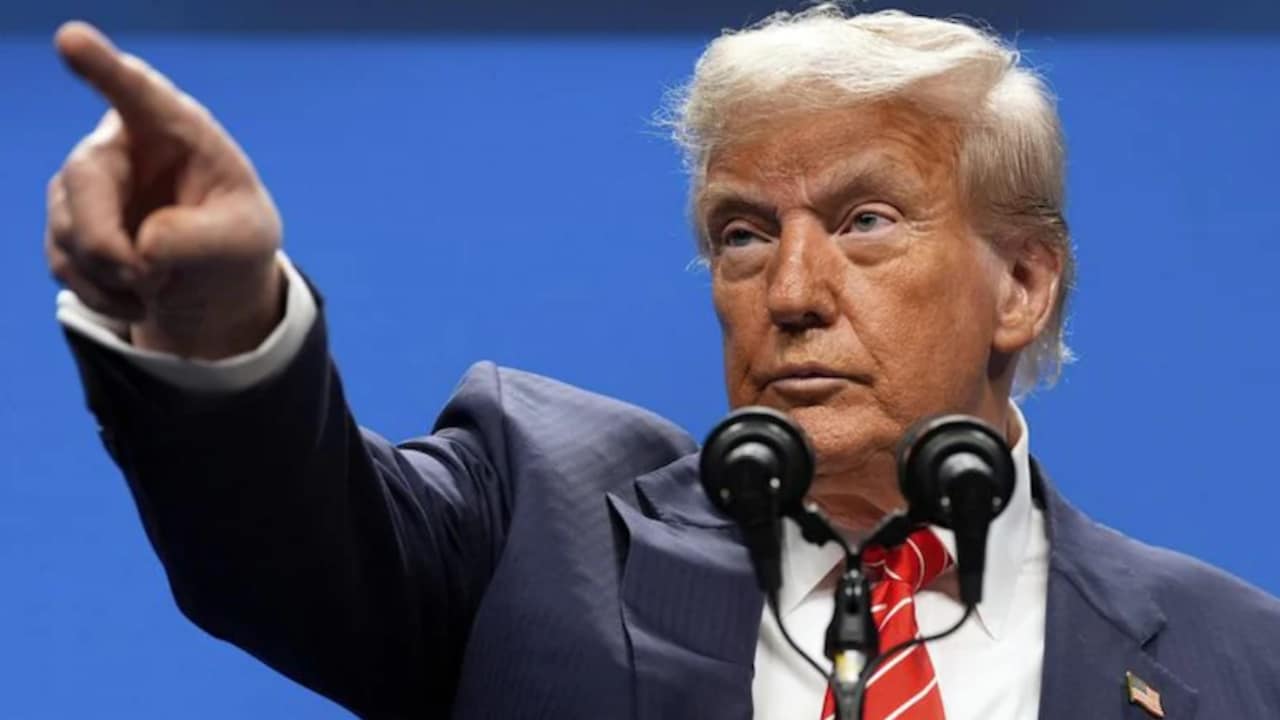
U.S. President Donald Trump announced that his Thursday national address will focus on "free and fair" voting. The statement reinforces his long‑standing false claims of winning the 2020 election and reignites debates over the integrity of American democracy.
मुख्य बिंदु (Key Takeaways)
- President Trump will discuss "free and fair" elections in a Thursday national speech.
- The address revives his unsubstantiated claim of victory in the 2020 presidential election.
- Experts warn that the rhetoric could further polarize public trust in U.S. electoral institutions.
U.S. President Donald Trump has pledged to deliver a nationwide address on Thursday, centering his remarks on the concept of "free and fair" elections. The announcement is widely interpreted as a strategic move to double‑down on the false narrative that he actually won the 2020 presidential race, a claim repeatedly rejected by courts, election officials, and independent observers.
Historical Context
In the 2020 election, former Vice President Joe Biden was certified as the winner after a thorough counting process across all 50 states. Despite overwhelming evidence, Trump and many of his supporters alleged widespread voter fraud, launching a series of lawsuits that were dismissed for lack of evidence. Over the past three years, the former president has continued to use the alleged fraud narrative as a political weapon, keeping his base mobilized and shaping the Republican discourse.
Potential Implications
A national speech emphasizing "free and fair" voting can have far‑reaching consequences. If Trump frames the address as a call for genuine electoral reform, it could spur bipartisan legislation aimed at enhancing transparency. However, if the speech primarily serves to reassert his 2020 victory claim, it may deepen partisan divisions and erode confidence in the electoral system, pressuring Congress and the judiciary to confront an increasingly politicized narrative.
Expert Analysis
Political scientists warn that Trump’s rhetoric is less about policy and more about narrative control ahead of the 2024 election cycle. By revisiting the contested 2020 outcome, he seeks to maintain relevance and rally his supporters, while also challenging the legitimacy of upcoming elections. This tactic could amplify social tension, especially in swing states where election integrity has already become a flashpoint.
Looking Ahead
The real test will be whether the address translates into concrete proposals for safeguarding elections or remains a rhetorical device. Stakeholders—from civil society groups to international observers—will scrutinize the speech for any substantive commitments that could reinforce the resilience of American democracy.