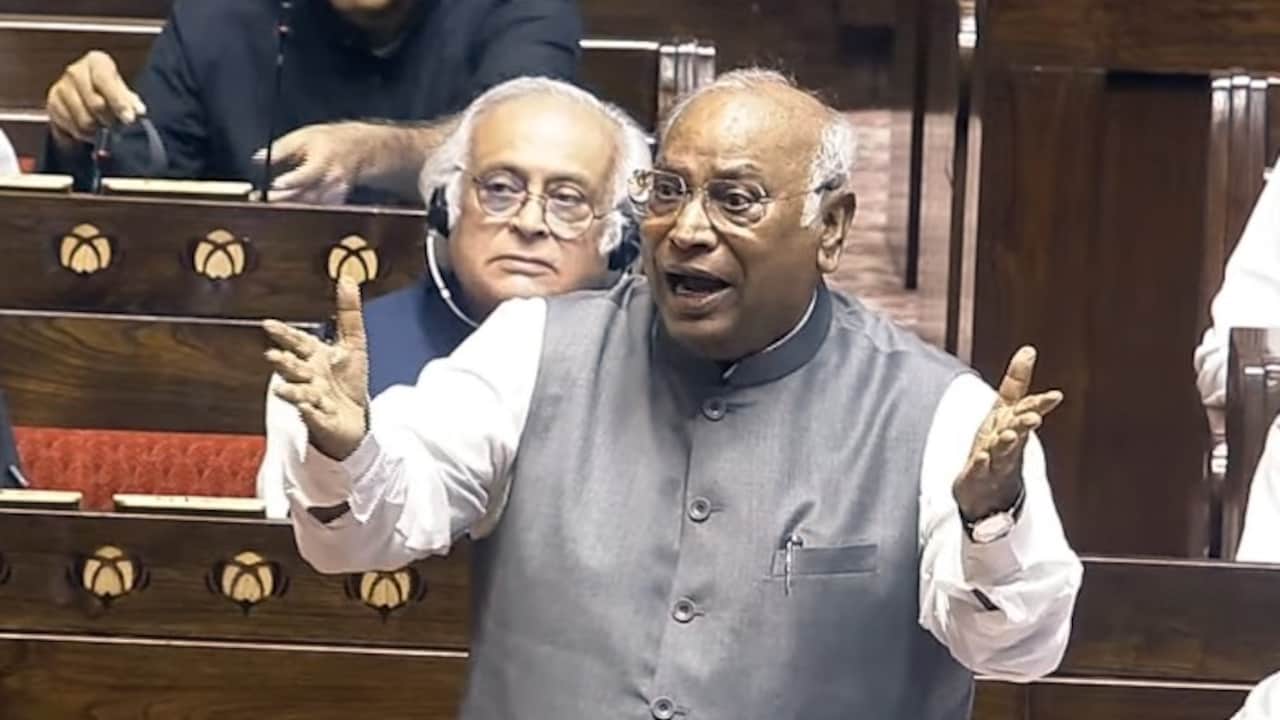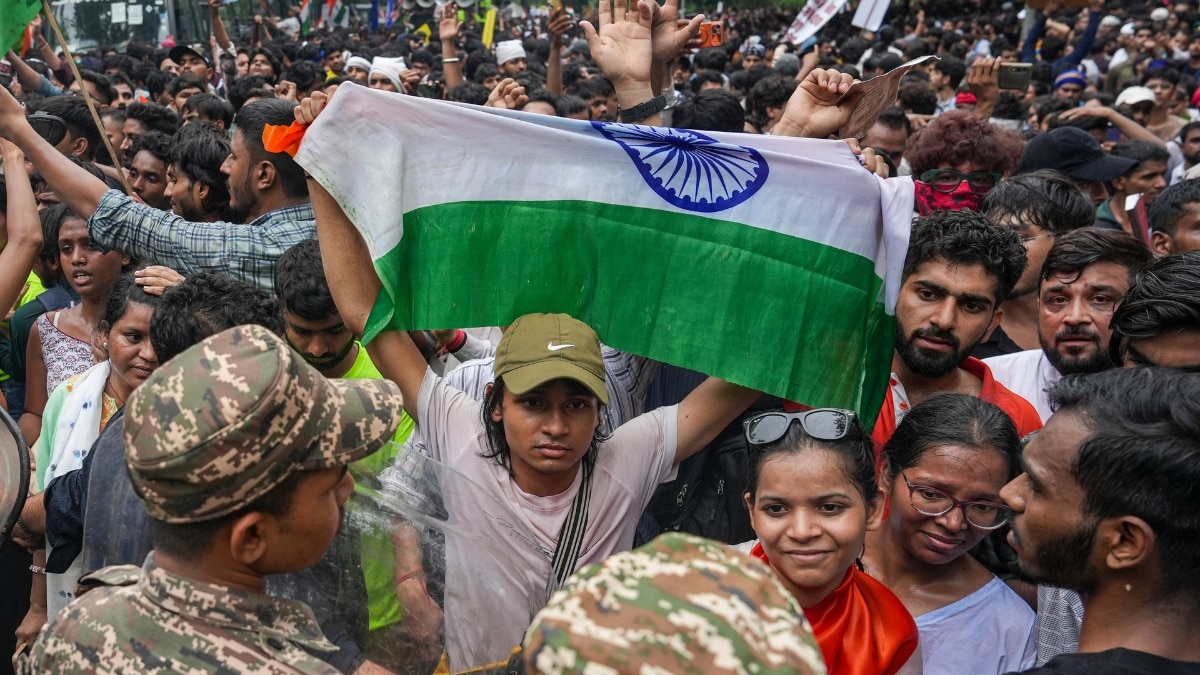
Omar Abdullah’s frustration over the delayed promise of Jammu & Kashmir’s statehood aligns with the Supreme Court’s 2023 ruling and the 2024 election outcome. While his reference to Trump may appear as political clickbait, it must be viewed against a backdrop of decades‑long international involvement.
Key Takeaways
- The 2023 Supreme Court judgment reaffirmed the promise of statehood for J&K.
- Abdullah’s Trump remark is politically flippant but carries historical significance.
- The U.S. and U.K. have long pursued a contentious role in Kashmir’s internationalisation.
In 2023, the Supreme Court upheld the abrogation of Article 370 and observed that “the Solicitor General of India assured this Court of the Union’s commitment made on the floor of the House that the Statehood of Jammu and Kashmir would be restored in the near future upon elections being held.” This pronouncement gave legal weight to the Centre’s post‑2019 promise and thrust the statehood question back into the national debate.
Political Context and Electoral Momentum
The peaceful 2024 assembly elections recorded a high voter turnout, signalling renewed confidence in democratic institutions. The turnout broke a protracted political stalemate and was hailed as a sign of “New Kashmir” returning to normalcy. In this environment, Chief Minister Omar Abdullah voiced justified frustration over the Centre’s delay in delivering the promised statehood, a sentiment that resonates with both the Court’s directive and public expectations.
Abdullah’s Trump Reference: Flippancy or Strategy?
During a rally of National Conference workers in Srinagar, Abdullah quipped, “Let the BJP tell us whether we have to go to (US President Donald) Trump for statehood… and hold a dharna outside the White House.” Many dismissed the line as clickbait, yet its subtext touches on a century‑old pattern of foreign powers trying to internationalise the Kashmir issue.
Historical Internationalisation of Kashmir
From the Truman administration’s push for the United Commission for India and Pakistan (UNCIP) in 1948, to Cold‑War era U.S. officers assisting Pakistani‑controlled forces, and the subtle backing of separatist narratives by State Department officials like Robin Raphel in the early 1990s, the United States—and earlier the United Kingdom—have repeatedly sought influence in the region. This foreign engagement has often aligned with Pakistan’s strategic aim to internationalise the dispute.
Implications and the Way Forward
Abdullah’s tenure has been marked by a calibrated approach: he has highlighted the limited powers of the elected government while avoiding direct confrontation with the Lieutenant Governor’s office. After the horrific Pahalgam attack, he delivered a stirring assembly speech that framed the tragedy as a national concern, simultaneously supporting the Union government’s diplomatic stance. Over the past two years, he has crafted a new political lexicon that keeps statehood at the forefront. To preserve momentum, the focus must remain on concrete promises rather than off‑hand remarks that divert attention.
If the Centre honors its commitment, the restoration of statehood could stabilize the region, bolster tourism, and contribute positively to the broader India‑Pakistan peace process.