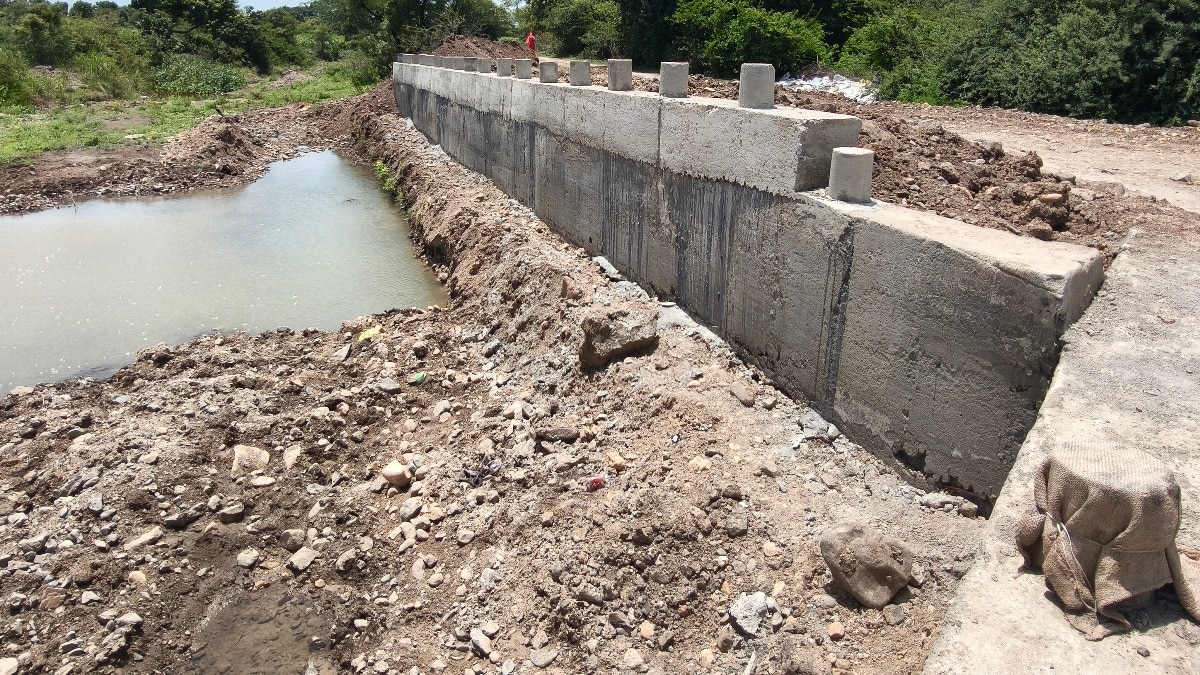
A viral video from Maharashtra has raised serious doubts about a bridge built for just Rs 48 lakh, prompting citizens and experts to question cost‑effectiveness and possible corruption. Authorities have pledged a probe as public outcry grows.
Key Takeaways
- The viral clip shows a Rs 48 lakh bridge collapsing within minutes.
- Local officials face accusations of misusing public funds.
- The state government has promised a formal investigation.
A short video that quickly went viral across Indian social media platforms has ignited a firestorm in Maharashtra. The clip, filmed by a passerby, captures a newly‑constructed bridge—reportedly costing only Rs 48 lakh—sagging and ultimately giving way within seconds of a light vehicle crossing it. The incident has sparked a wider debate about the quality of public‑sector construction, cost‑cutting shortcuts, and potential graft in infrastructure projects.
Background and Cost Context
Over the past two decades, Maharashtra has undertaken thousands of rural bridge projects to improve connectivity. Comparable structures of similar length and load‑bearing capacity typically command budgets ranging from Rs 2‑3 crore to Rs 5 crore, depending on terrain, material quality, and design standards. A price tag of merely Rs 48 lakh—less than a tenth of the norm—raises immediate red flags among civil‑engineering experts, who suspect either substandard materials, an under‑bidding contract, or procedural lapses.
Public Reaction and Social Media Impact
The video quickly spawned trending hashtags such as #MaharashtraBridge and #BridgeFail, drawing over a million views within 48 hours. Citizen watchdog groups demanded a full audit of the project, citing a pattern of “low‑cost, low‑quality” contracts in recent state‑led initiatives. Regional newspapers amplified the story, and local politicians began fielding questions from constituents demanding accountability for the alleged waste of taxpayer money.
Government Response and Next Steps
In response, the Maharashtra Public Works Department (PWD) issued an official statement confirming that an inquiry has been launched. The department pledged to examine tender documents, material procurement records, and construction logs. Officials also hinted at the possibility of mandating independent third‑party audits for future large‑scale infrastructure contracts to restore public confidence.
Implications and Lessons Learned
This episode underscores the growing power of citizen journalism in holding governments accountable. If robust oversight mechanisms are instituted—such as mandatory transparency portals and periodic independent reviews—instances of “botched jobs” can be minimized, safeguarding both public safety and fiscal responsibility.