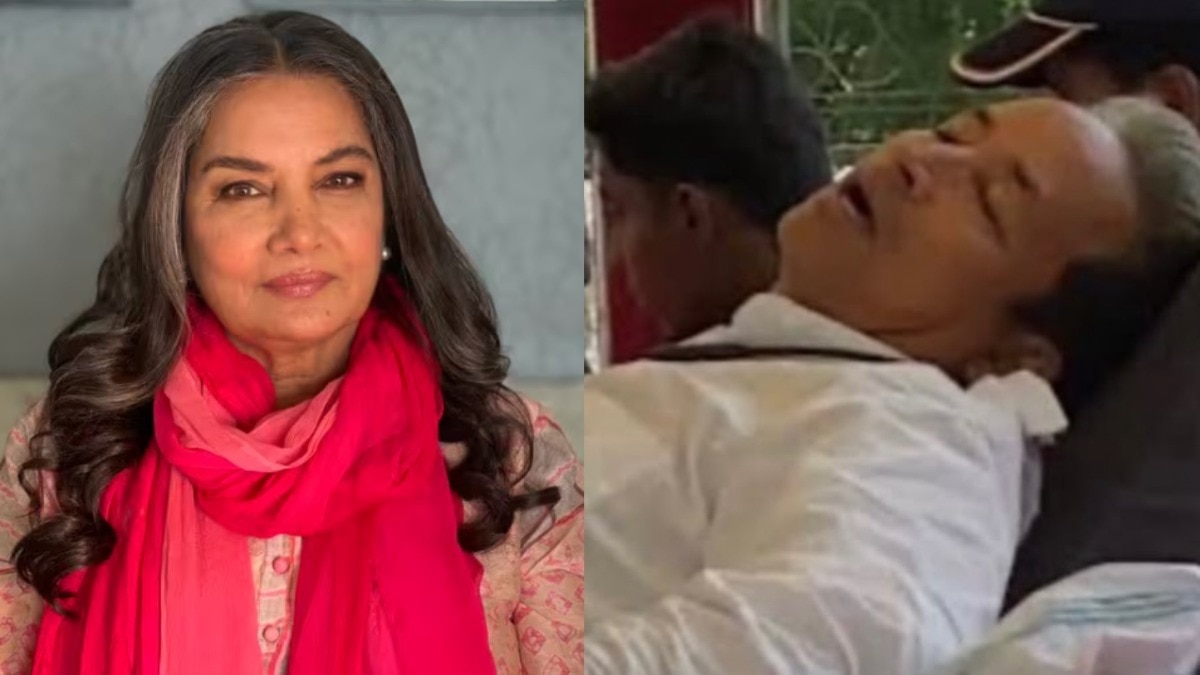
Veteran actress Shabana Azmi has urged activist Sonam Wangchuk to cease his hunger strike, arguing that the nation requires his leadership. She highlighted the potential risks of the protest and called for a swift, dialogue‑based resolution in the interest of the country.
मुख्य बिंदु (Key Takeaways)
- Shabana Azmi urges Sonam Wangchuk to end his hunger strike.
- Wangchuk's protest is linked to water‑resource and environmental concerns.
- The appeal stresses India's need for Wangchuk's social contributions.
Renowned actress and social activist Shabana Azmi has publicly appealed to Sonam Wangchuk to call off his ongoing hunger strike. Azmi emphasized that India urgently needs his vision and leadership, especially in matters of water conservation and grassroots education.
Background and Core Grievances
Sonam Wangchuk, a young innovator from a remote Himalayan village, has been on hunger strike for the past fourteen days. His primary demand is a comprehensive review of the state’s water diversion projects, which he argues are jeopardising both the local ecosystem and the livelihoods of farmers. Wangchuk’s activism gained national attention after his successful implementation of low‑cost “Ice Stupas” to combat water scarcity in Ladakh.
Azmi's Appeal
In a heartfelt statement, Azmi said, “India’s progress is measured not merely by GDP, but by the inclusion of social justice and ecological balance. Voices like yours illuminate the path forward. However, risking your health undermines the very cause you champion.” She urged Wangchuk to pursue his objectives through peaceful dialogue rather than self‑inflicted hardship.
Potential Ramifications
If the hunger strike continues, media scrutiny will intensify, potentially pressuring the state government to revisit its water policies. Conversely, prolonged self‑starvation could impair Wangchuk’s health, curtailing his ability to drive future change. Azmi’s intervention underscores the delicate balance between personal sacrifice and sustainable advocacy.
Way Forward
Policy analysts suggest that protest movements like Wangchuk’s should be channeled into formal negotiation platforms, allowing both government and activists to articulate their positions clearly. Azmi has called upon her followers and the broader public to view the issue with empathy and pragmatism, ensuring that the activist’s environmental agenda does not suffer unintended setbacks.