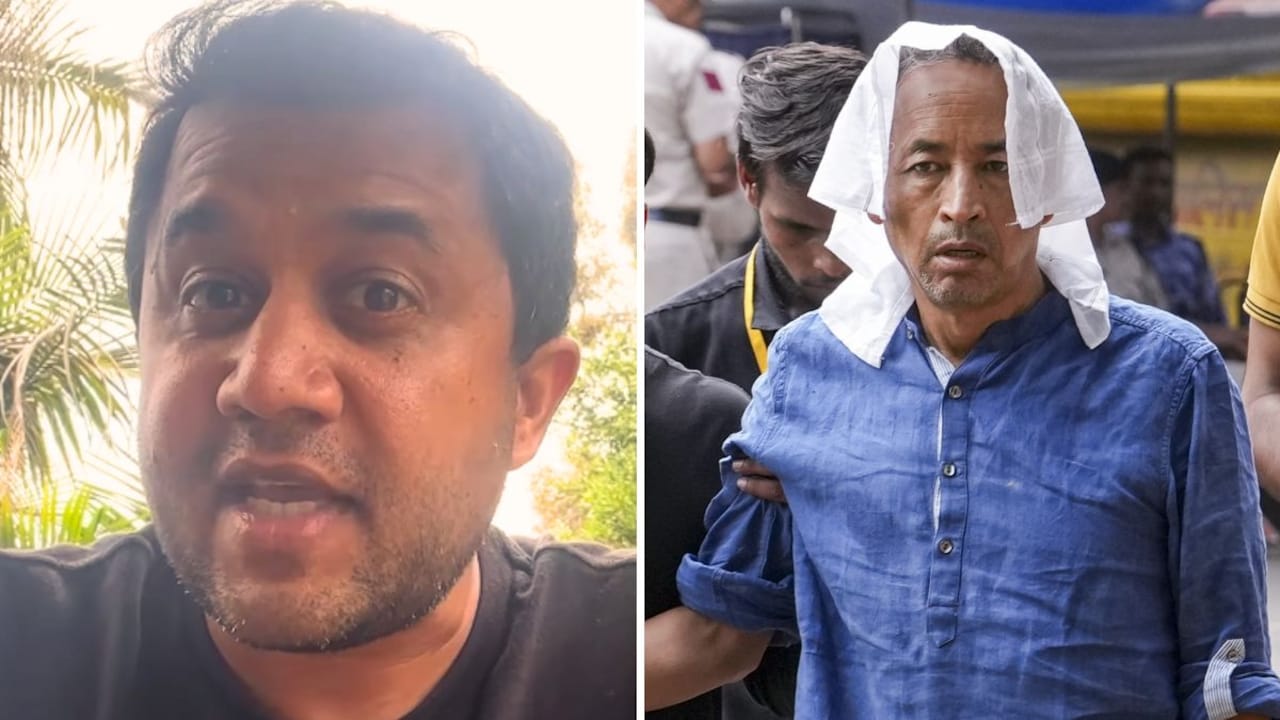
Sonam Wangchuk, the real‑life inspiration for Chatur in '3 Idiots', has begun an indefinite hunger strike at Delhi's Jantar Mantar, demanding transparency and local water rights in India's water policy.
Key Takeaways
- Sonam Wangchuk has started an indefinite hunger strike at Jantar Mantar.
- His demands focus on transparency in water policy and protection of local water rights.
- The strike draws heightened public attention due to his link with the iconic 'Chatur' character from '3 Idiots'.
Sonam Wangchuk, a renowned educator and activist, commenced an indefinite hunger strike at Delhi's Jantar Mantar in early 2024. The protest targets two core issues: the centralisation of water control that sidelines indigenous communities, and the lack of transparency in large‑scale water projects that often breed corruption.
Background and Cinematic Connection
Born in 1979 in the high‑altitude village of Imjil, Ladakh, Wangchuk pioneered low‑cost, solar‑powered water‑melting technologies to address chronic water scarcity. His innovative work attracted national attention, culminating in a feature story that inspired Aamir Khan's ‘3 Idiots’ character Phunsukh Wangdu (popularly known as Chatur). The cinematic link amplified his public profile, turning a regional engineer into a household name.
Why the Hunger Strike?
Wangchuk has articulated two primary grievances: first, the government's tendency to allocate water resources through top‑down policies that ignore traditional rights; second, the opacity surrounding mega‑projects, which often lead to environmental degradation and community displacement. He warned, “If water is not placed in the hands of the people, future generations will inherit a desert.”
Public Reaction and Potential Impact
The strike has mobilised a broad coalition of environmental NGOs, civil‑society groups, and concerned citizens. While the central government has yet to issue an official response, several politicians have signalled willingness to bring water‑policy reform onto the legislative agenda. Should Wangchuk’s demands be met, India could witness a paradigm shift in water governance, granting greater autonomy to local stakeholders and curbing systemic misuse.
Looking Ahead
Wangchuk asserted that he will continue fasting until his demands are addressed, urging the nation to view water as a fundamental right rather than a commodity. “Water is life,” he said, “and we must fight to protect it.” The strike, therefore, is not merely a personal protest but a clarion call for systemic change.