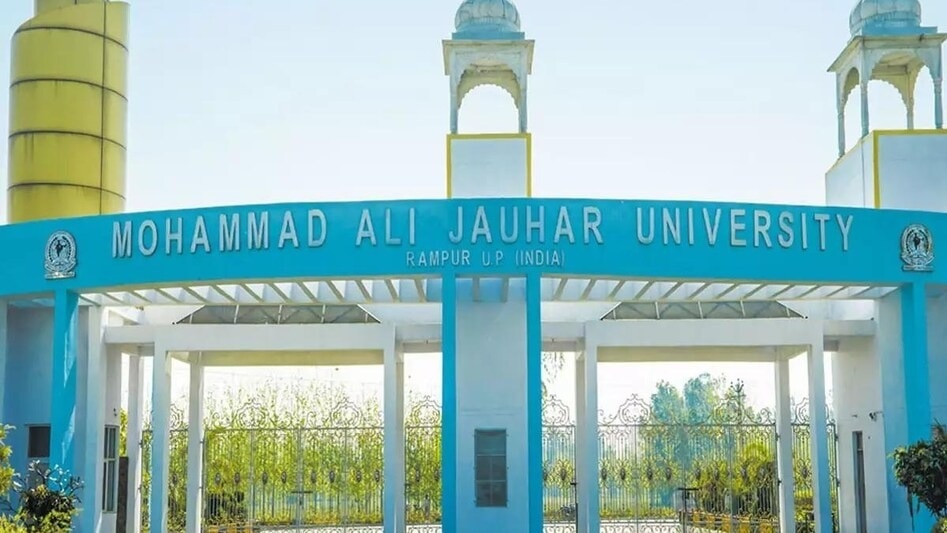
Rampar Development Authority has ordered demolition of 38 out of 40 structures at Azam Khan's Jauhar University, labeling them illegal. The institution has been given 15 days to remove the constructions itself, after which forced demolition will proceed.
Key Takeaways
- Rampar Development Authority orders demolition of 38 illegal buildings.
- Jauhar University receives a 15‑day window to self‑remove the structures.
- The move aligns with Yogi Adityanath’s zero‑tolerance policy on illegal construction.
Jauhar University, a flagship project of senior Samajwadi Party leader Mohammad Azam Khan, faces a demolition order for 38 of its 40 buildings. The order, issued on July 15, 2026, grants the institution a 15‑day period to dismantle the structures on its own; failure to comply will trigger forced demolition under statutory authority.
Background and Legal Procedure
Located in Singankheda village of Rampar district, the university fell under the jurisdiction of the Rampar Development Authority (RDA) in 2024. After the jurisdiction shift, RDA demanded approved layout plans for all campus buildings. The authority’s notice resulted in only two buildings receiving sanctioned maps, while the remaining 38 were constructed without any approved blueprint, rendering them illegal under the Uttar Pradesh Nagar Planning and Development Act, 1973.
Political and Social Ramifications
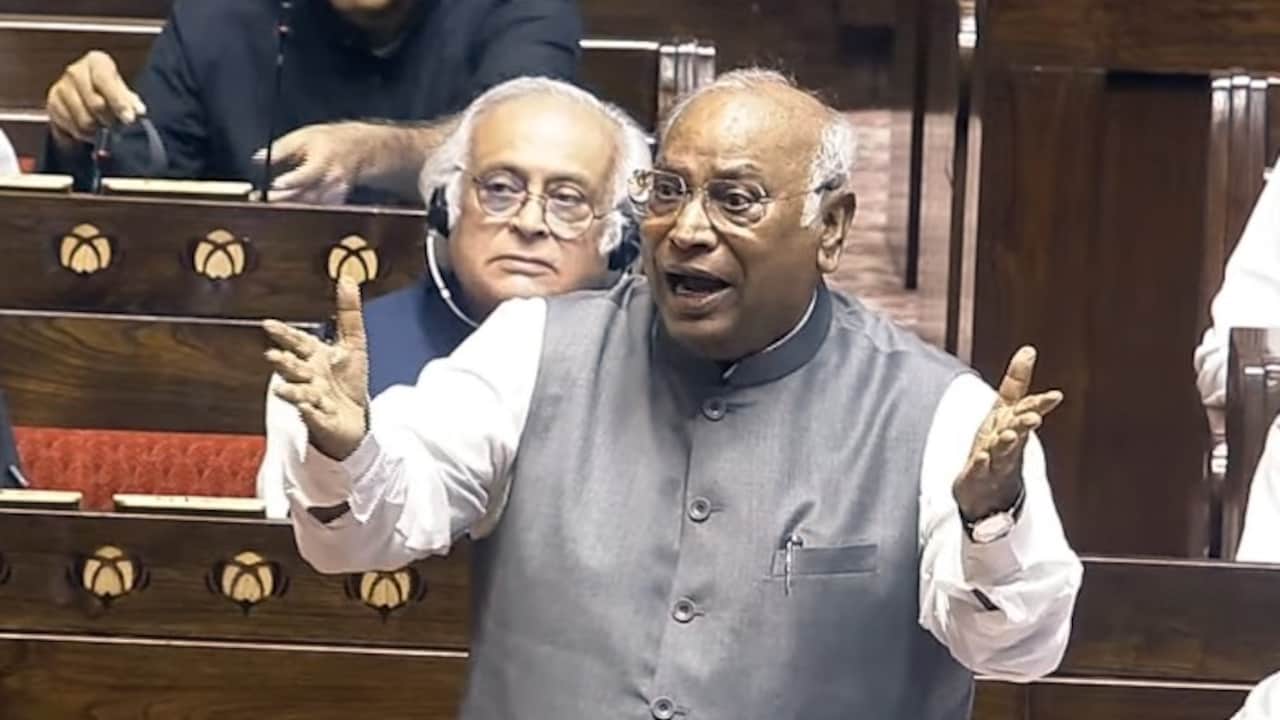
Azam Khan, currently incarcerated, sees his flagship educational venture entangled in a legal‑political battle. Supporters view the demolition as a politically motivated crackdown, whereas the state administration frames it as a strict enforcement of Yogi’s zero‑tolerance stance against illegal constructions. The episode has sparked heated debates across party lines and among civil‑society groups concerned about educational access and regional development.
Future Implications
Should the university fail to clear the illegal structures within the allotted timeframe, RDA will deploy a bulldozer, potentially displacing students, staff, and local labor. Moreover, the case sets a precedent for private educational institutions across Uttar Pradesh, emphasizing the necessity of timely approvals and transparent compliance with zoning regulations.
Conclusion
This demolition order encapsulates the intersection of political rivalry, regulatory enforcement, and development policy in Uttar Pradesh. The forthcoming actions of the development authority and the university’s response will determine whether this becomes a cautionary tale for other private campuses or a singular political episode.