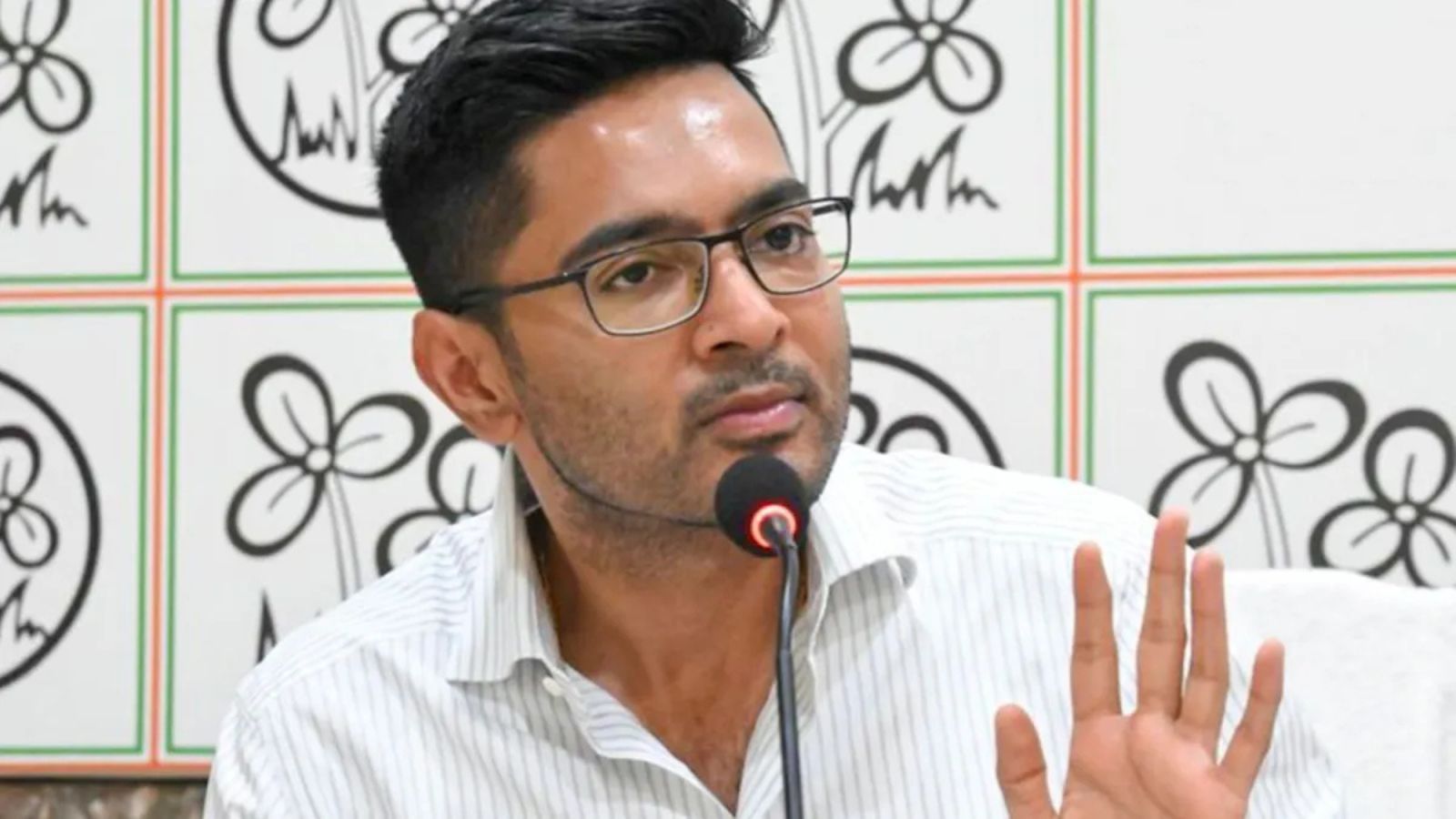
The Calcutta High Court has directed the West Bengal government to submit a detailed report on the number of complaints lodged against TMC MP Abhishek Banerjee across various police stations. The move reflects rising political tension following the recent assembly elections.
Key Takeaways
- Court orders disclosure of the count of complaints against Abhishek Banerjee
- Allegations of political vendetta after the state election
- Additional Advocate General tasked with preparing the report
The Calcutta High Court on Wednesday instructed the state to furnish a comprehensive report detailing how many complaints are pending against Trinamool Congress MP Abhishek Banerjee in different police stations. Banerjee had approached the court seeking relief from what he described as “unreasonable” complaints filed after the change of government.
Political Background
Following the TMC’s defeat in the recent assembly polls, Banerjee’s counsel argued that the police began registering fresh FIRs in old cases dating back four to five years, portraying the actions as politically motivated retaliation. Such claims echo a broader pattern in Indian states where law‑enforcement agencies are accused of being used as tools of partisan pressure after a change in power.
Court’s Directive
Justice Saugata Bhattacharya verbally directed the state’s Additional Advocate General, Billwadal Bhattacharya, to submit a report enumerating the complaints, their nature, and current status. The report will serve as the factual basis for any further judicial scrutiny of the alleged misuse of police powers.
Developments in the Intimidatory Speech Case
On the same day, Banerjee appeared before the Chief Judicial Magistrate in Bidhannagar to provide a voice sample required in the 2026 assembly‑election intimidatory speech case. After skipping two prior appearances, he finally complied, amid heightened security and a large police presence to prevent disturbances.
Potential Implications
Should the state delay or fail to deliver the requested report, it could intensify questions about governmental accountability and judicial independence in West Bengal. Opposition parties are likely to leverage the court’s order as a political weapon, while the ruling TMC will need to demonstrate that the complaint process is transparent and lawful.