Voters in the national capital now have an extra ten days to submit their enumeration forms. The Election Commission has revised schedules for Delhi, Punjab, Telangana and Karnataka, with the final electoral roll slated for October 19.
Key Takeaways
- Delhi's deadline for submitting enumeration forms moved to August 8
- Punjab, Telangana and Karnataka also receive similar extensions
- Final electoral roll to be published on October 19, enhancing transparency
On July 16, the Election Commission of India announced a revised timetable for the ongoing Systematic Information Review (SIR) exercise, granting Delhi voters an additional ten days – now until August 8 – to hand in their enumeration forms. This extension aims to accommodate those who missed the initial window and to ensure that all potential discrepancies can be addressed before the final roll is published.
Understanding the SIR Process
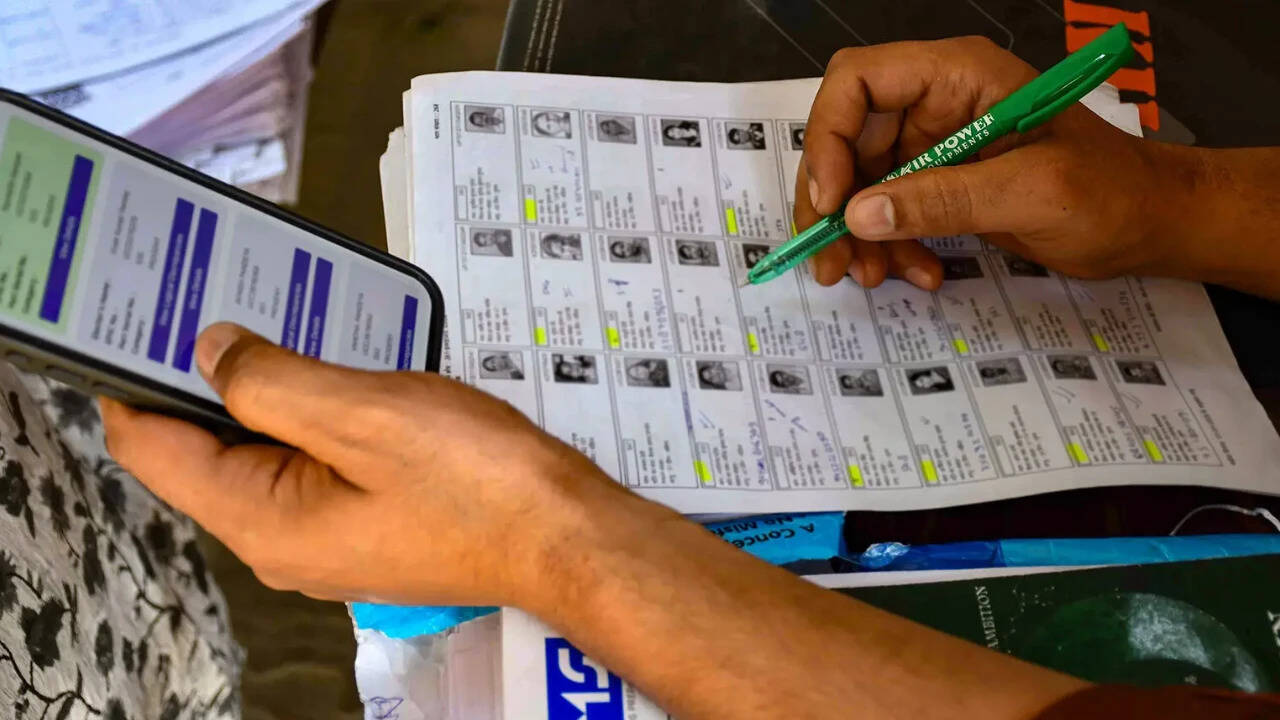
The SIR is a critical, annual exercise that updates the electoral roll ahead of each election. It involves Block Level Officers (BLOs) visiting households, distributing enumeration forms, collecting completed forms, and digitising the data. In Delhi, more than 1.4 crore forms covering 99.2% of the electorate have already been distributed, with 21.7 lakh (≈15%) collected and digitised so far. The highest digitisation rates are seen in Outer North (29.6%) and South‑West (21.8%) districts, while Old Delhi and East Delhi lag at around 9%.
Parallel Extensions in Other States
Similar schedule revisions have been issued for Punjab, Telangana and Karnataka. In Punjab, BLO house visits will now continue until August 3, with the draft roll slated for August 13 and the final roll for October 12. Telangana’s enumeration collection ends on August 3, followed by a draft roll on August 10 and a final roll on October 12. Karnataka mirrors Delhi’s timeline, with house visits until August 8, a draft roll on August 17, and the final roll on October 19.
Implications and Forward Look
These extensions are designed to produce an accurate, inclusive voter list, mitigating the risk of disenfranchisement in the upcoming polls. The relatively low digitisation percentages in Old Delhi and East Delhi highlight the need for targeted awareness drives in those zones. Publishing the final roll on October 19 across all affected states will provide a solid foundation for the next phase of elections, ensuring credibility and legal robustness.
Political parties, civil society groups, and election watchdogs should seize this window to mobilise voters, encouraging prompt form submission and verification. A fully updated roll not only strengthens the democratic process but also reduces post‑poll litigation.