India's Election Commission has revised the Special Intensive Revision (SIR) timetable for Delhi as only about 15% of enumeration forms have been digitised. The draft voter roll will now be released on August 17, with the final roll pushed to October 19.
Key Takeaways
- Digitisation rate stuck at roughly 15%
- House‑to‑house visits extended to Aug 8
- Draft electoral roll to be published on Oct 19
The Election Commission of India announced on July 16 a revised schedule for Delhi's Special Intensive Revision (SIR) of the electoral roll. Only about 15 per cent of the 2.175 million enumeration forms have been digitised so far, even though more than 99 per cent of the 1.45 crore voters have received their paper forms.
Background and Current Status
SIR is intended to cleanse the draft roll of errors and ensure that the maximum number of eligible citizens are included. With Delhi’s electorate exceeding 14.5 million, the task is logistically massive. Data from the Chief Electoral Office (CEO) shows that while the distribution phase is nearly complete, the digital conversion lags dramatically, standing at just 14.99 per cent.
Geographic Disparities
Old Delhi, East Delhi and South‑East Delhi have the lowest digitisation rates—under 10 per cent. Central, North‑East and South districts hover around 11 per cent, while South‑West (21.80 per cent) and Outer North (29.57 per cent) are the only districts crossing the one‑fifth mark.
Ground Realities
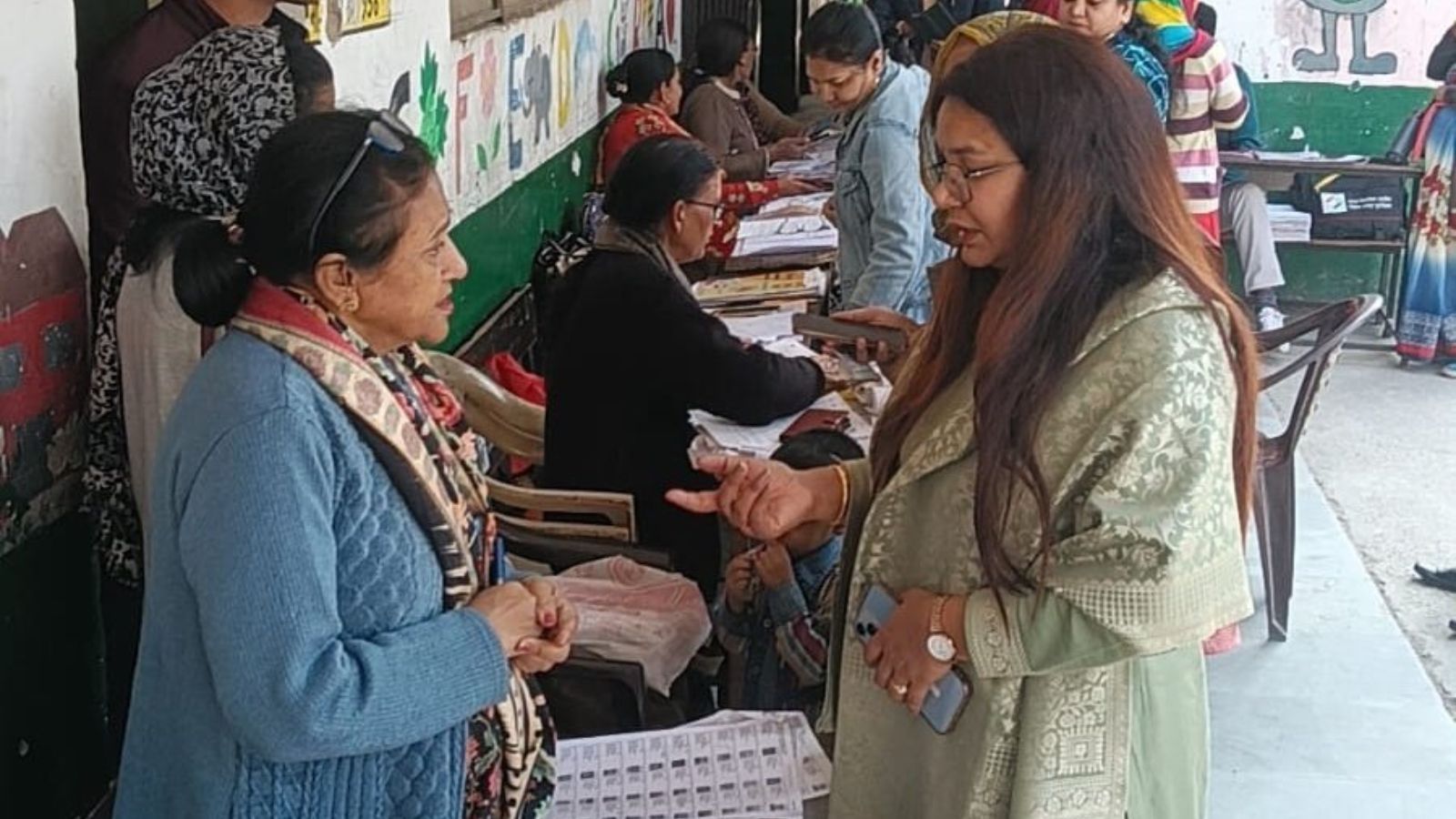
Field officers report that many voters need extra time to understand the form‑filling process, and correcting mistakes further stretches resources. Neha Rawat, a school teacher deployed as a BLO in West Delhi’s Moti Nagar, says she works late into the night after putting her children to sleep. Another BLO, Naresh, a primary‑school teacher in Najafgarh, notes that each form consumes 10‑12 minutes of effort.
Revised Timeline and Implications
The draft roll will now be released on August 17 instead of the earlier August 5 deadline. The claim‑and‑objection window shifts from August 5‑September 4 to August 17‑September 16, and the final disposal date moves to October 15, with the official roll slated for October 19. Officials argue that extending the deadlines reduces the risk of excluding voters from the draft roll and minimizes mismatches during digitisation and verification.
Accurate voter rolls are the backbone of credible elections. The delayed schedule, while pragmatic, underscores the challenges of modernising a massive, urban electorate and highlights the need for stronger digital infrastructure ahead of upcoming state and national polls.