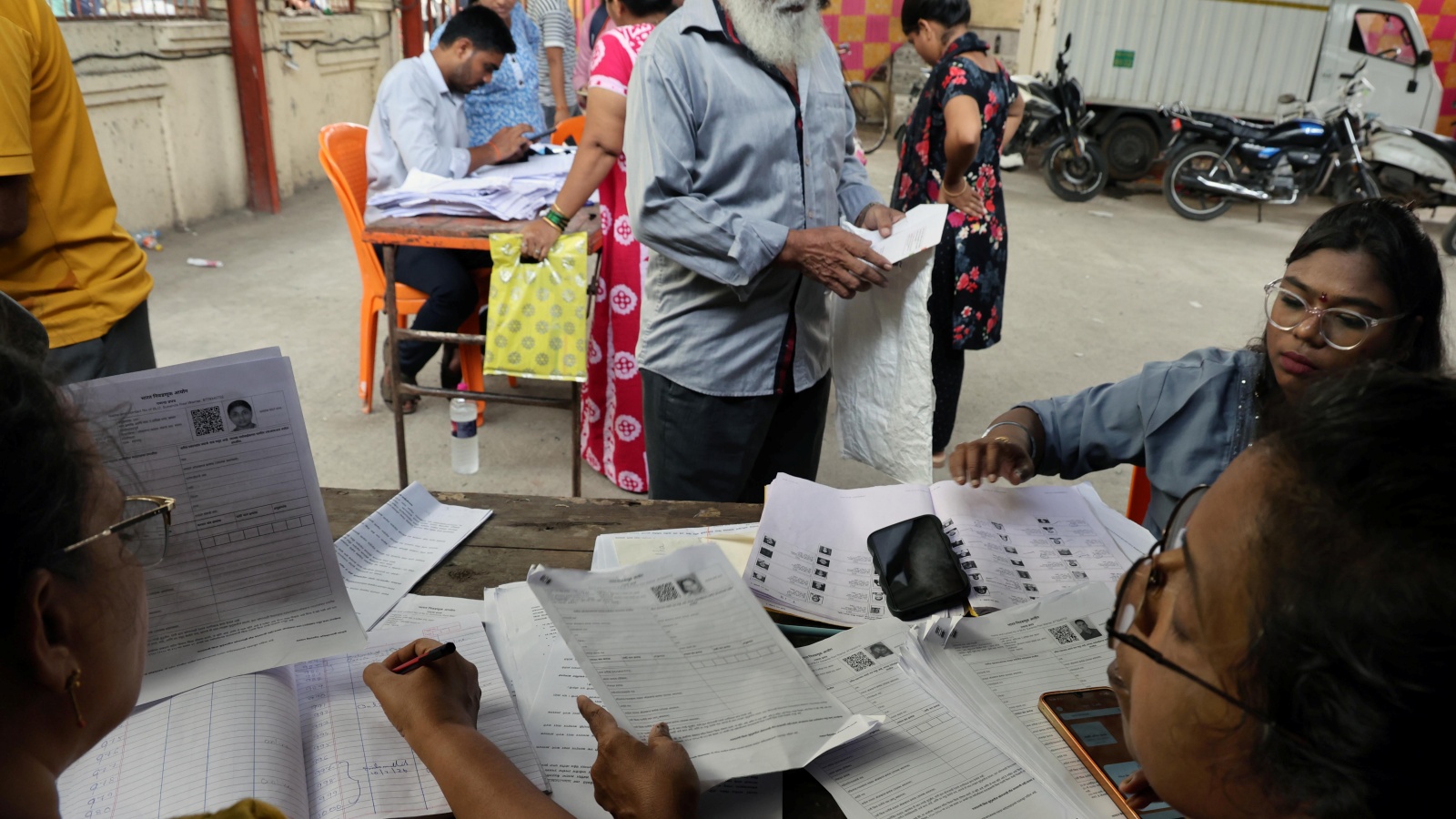
India's Election Commission has announced new dates for the Special Intensive Revision (SIR) of electoral rolls in Punjab, two other states and Delhi. The draft roll will be released on August 13, and the final roll on October 12, amid BJP chief's allegations of data misuse.
Key Takeaways
- New SIR timeline for Punjab electoral roll revision
- Draft roll to be published on Aug 13, final roll on Oct 12
- Allegations of misuse of authority prompt calls for immediate inquiry
The integrity of India's democratic machinery hinges on regularly updated voter lists. This year, the Election Commission of India (ECI) launched Phase 3 of the Special Intensive Revision (SIR) on May 14, covering Punjab, two other states and the National Capital Territory of Delhi. The exercise involves door‑to‑door verification by Booth Level Officers (BLOs), rationalisation of polling stations, publication of draft rolls, and resolution of objections before the final roll is issued.
Background and Significance
Over 24,000 BLOs are deployed across Punjab alone, verifying details for more than 21.4 million electors. Accurate rolls eliminate duplicate or outdated entries, thereby enhancing the credibility of upcoming elections. Originally, house‑to‑house visits were slated to end on July 24, but the ECI has now extended this fieldwork until August 3 to ensure thorough coverage.
Revised Schedule Details
In a formal letter to the Chief Electoral Officer (CEO) of Punjab, the ECI announced that the draft electoral roll, previously due on July 31, will now be released on August 13. The final roll, which was expected on October 10, will be published two days later on October 12. The commission has instructed all officials to disseminate the updated timetable immediately and to inform political parties in writing.
Allegations of Misconduct
Punjab BJP chief Kewal Singh Dhillon has accused certain officials and BLOs of exploiting the SIR exercise to collect data on state welfare schemes, an act he deems illegal and contrary to the commission's objectives. He further alleges that BLOs are demanding unauthorised documents—such as rent agreements or landlord affidavits—from tenant voters, despite no such requirement in ECI guidelines. Dhillon has called for an urgent inquiry and strict disciplinary action against any officer found overstepping their mandate.
Potential Implications
If left unchecked, these allegations could erode public confidence in the electoral roll revision process, jeopardising the fairness of future polls. A decisive response from the ECI will not only restore trust in this specific SIR but also set a precedent for transparent, voter‑friendly roll revisions nationwide. Timely completion of the draft and final rolls remains crucial for the smooth conduct of upcoming state and national elections.